


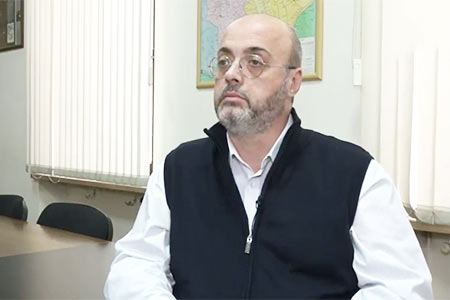
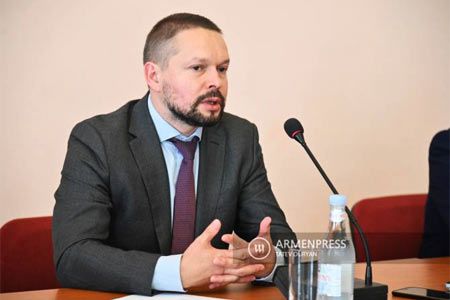
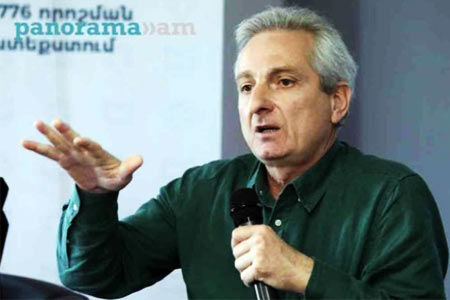
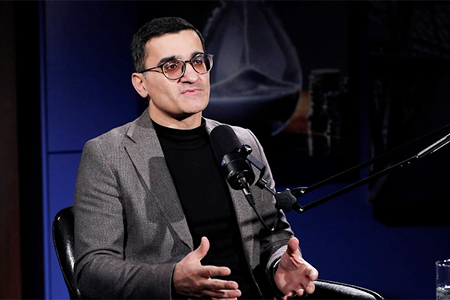
ArmInfo. Iran has always opposed the presence of third parties in the region, as stated by Aram Shahnazaryan, Iranian political scientist and editor-in-chief of the "Alik" newspaper, during a discussion on the topic "The South Caucasus: Regrouping of Forces."
In his opinion, any presence of the United States, including through the TRIPP project, or another Western country in Armenia could lead to NATO involvement in the region, with all the consequences for Tehran. The latter sees this as a threat to its security and the loss of its ability to ensure transit through Armenia.
In this situation, Iran will act in one of two ways: either as a confrontational force or as an initiator. However, as the political scientist noted, if Tehran chooses the path of confrontation, its options will be severely limited. Of course, in this case, Iran could try to resolve the problems in tandem with Russia, but even then, success is not guaranteed.
Shahnazaryan also highlighted Tehran's proactive approach, suggesting the creation of multi-format platforms involving interested countries in various areas such as economics, investments, and security- related platforms. The expert, emphasized the importance of activating the Rasht-Astara railway, as well as implementing other projects with Russia. Additionally, he stressed the need to intensify the regional "3+3" format. Involving extra-regional players in such platforms would help neutralize many existing risks for Iran, the political scientist believes.
It is worth noting that earlier today, Russian Energy Minister Sergei Tsivilev, on the sidelines of the Intergovernmental Commission on Trade and Economic Cooperation between Russia and Iran, told reporters that the practical implementation of the Rasht-Astara railway project as part of the North-South international transport corridor would begin on April 1, 2026. According to the Minister of Energy, the parties have successfully resolve all the contentious issues that were hindering the project's launch.
"The North-South Corridor is not only an energy corridor, but also a transport one. The construction of the Rasht-Astara railway line is linked to it. We have addressed virtually all the previously outstanding issues, including land registration and obtaining benefits. We said today that the final agreement for the launch of this project will be reached on April 1, during Russian Transport Week," TASS quotes Tsivilev as saying.


















 Political Scientist: As long as the opposition remains silent, Pashinyan can use Plan B and secure a constitutional majority
 US-Iranian memorandum more beneficial for Iran from political and economic perspective - expert
  Political analyst: While Pashinyan pledges peace with Azerbaijan, Baku continues promoting the "Western Azerbaijan" project
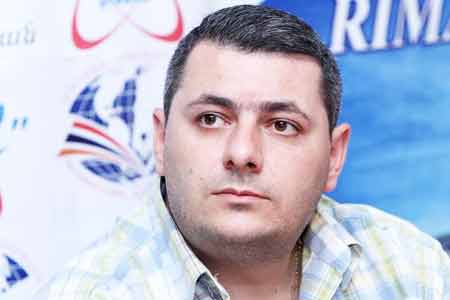 Political analyst: In light of new realities, Yerevan may propose advancing peace process with Baku without constitutional referendum
 Present-day geopolitical competition shifts from territorial control to infrastructure flows
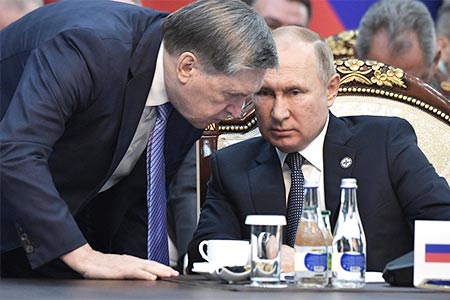 Moscow sees situation with Armenia as attempt to attack Russia-involving integration associations - Russian presidential aid
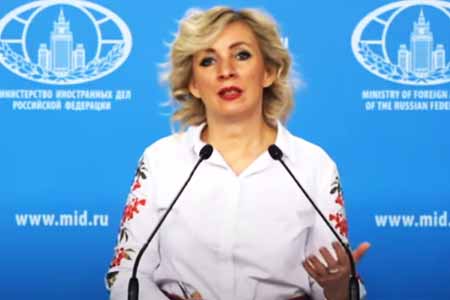 Zakharova: Armenia views relations with Russia as tool for financially securing reorientation toward EU
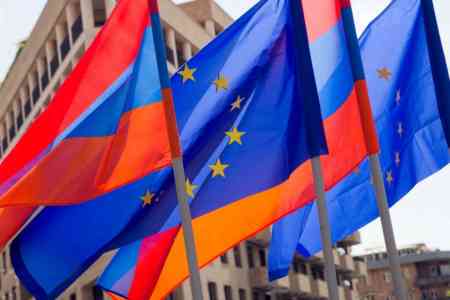 The Armenian Minister of Justice and the EU Ambassador discussed visa liberalization issues for Yerevan.
 Azerbaijan`s aggressive plans against Armenia became possible in wake of Pashinyan`s decisions on Artsakh - expert
  Zakharova: Russia sent a note of protest to Armenia over the act of vandalism at the "Mother Armenia" memorial in Gyumri
 Samvel Karapetyan proposes creating a post-election opposition coalition
 Artsakh`s Cultural Heritage Ombudsman called on Moscow to respond to destruction of WWII monuments by Azerbaijan in occupied NKR
 Prosecutor General`s Office petitions Central Electoral Commission for criminal prosecution of Robert Kocharyan
 Dutch Prime Minister expresses his support for Armenia`s democratic reform and economic diversification agenda
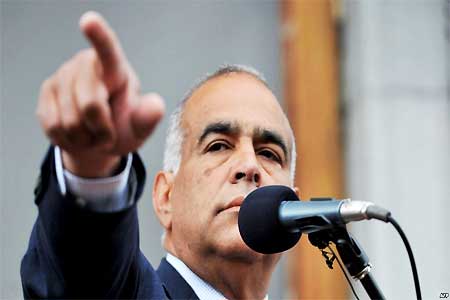 Heritage: It`s time for Armenia`s opposition to present people with legitimate alternative to power
 RA Security Council Sec, Assistant to President of Azerbaijan hold negotiations in Dilijan
 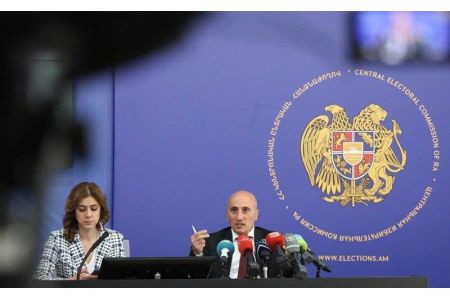 CEC Neutralizes PAP: Three Political Forces to Enter Armenian Parliament Following Election Vote
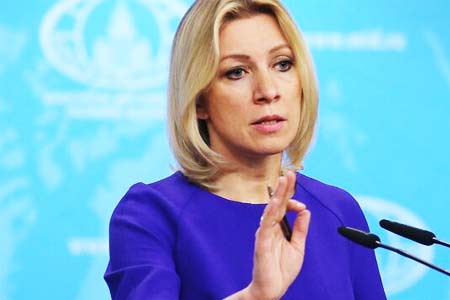 Elections in Armenia were accompanied by unprecedented pressure on opposition, RF MFA spokesperson claims
 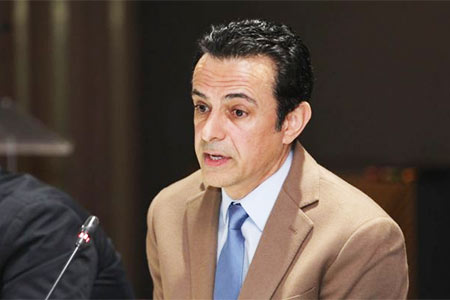 Expert: Even OSCE observers recorded numerous violations during elections in Armenia
  Moscow to await official results of Armenian elections - Peskov