

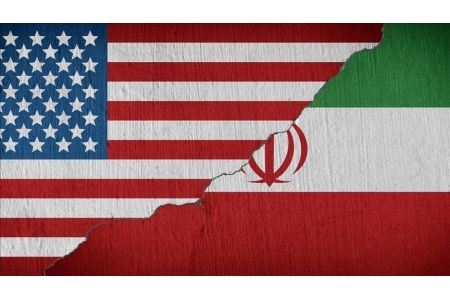
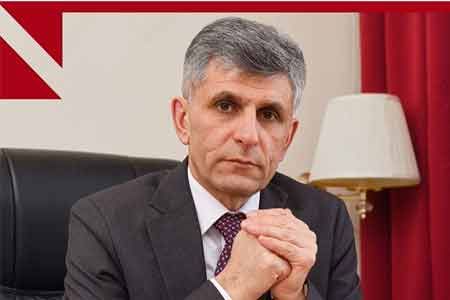
ArmInfo. The resolution of the standoff between the US and Iran will have a direct impact on Armenia's security, economy, and future. This is what David Ananyan, a member of the "Wings of Unity" initiative and former Chairman of the State Revenue Committee of Armenia, writes in light of the US's acceptance of Iran's 10 demands ahead of a two-week ceasefire.
According to him, the region is entering a phase where the long-standing stagnation of tensions appears to be nearing its end. As the "Wings of Unity" member noted, the standoff between the US and Iran, which for several months kept the entire region on the brink of disaster, is now entering the realm of negotiations.
"This isn't peace yet, and certainly not a final agreement. But this is the moment when the language of force begins to give way to the language of calculation. Iran is speaking the language of maximum demands, the US is adhering to the logic of containment and control, but most importantly, the parties have stopped. And when clashes of this scale cease, that in itself is a turning point," Ananyan is confident.
At the same time, the politician believes that for Armenia, this is not just foreign news, but a key outcome that has a direct impact on the country's security, economy, and future. "If this problem truly begins to be resolved, not only the balance of power in the region will change, but also the environment in which we must make our political and economic decisions," Ananyan concluded.
As a reminder, Iranian Foreign Minister Abbas Araghchi published on his Twitter page (X) a list of 10 points that the US agreed to for the establishment of a ceasefire, which will take effect on April 10.
Specifically, these include: a commitment to non-aggression; On maintaining Iran's control over the Strait of Hormuz; on agreeing to uranium enrichment; on lifting all primary sanctions; on lifting all secondary sanctions; on terminating all UN Security Council resolutions; on terminating all IAEA Board of Governors resolutions; on paying compensation to Iran; on the withdrawal of US troops from the region; on ending the war on all fronts, including the war against Hezbollah in Lebanon. The US-Iran talks will be held in Islamabad on April 10 in the presence of Pakistani representatives, who will act as mediators.






















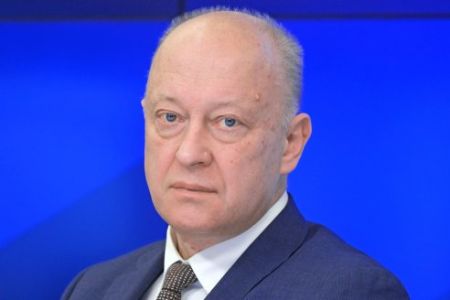 Russian political scientist: Moscow`s reaction to the TRIPP project will largely depend on the trend in Russian-American relations
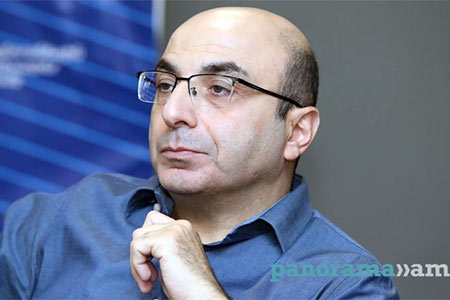 Armenian Political Scientist: The approaches, methods, rmphases and content of today’s struggle in Armenia Cannot Remain the Same
 Russian Security Council: In Armenia, they want to force Russian asset owners to dispose of their assets
 Zakharova: Russia ready to discuss with Armenia the prospects for expanding military cooperation as part of a review of bilateral ties
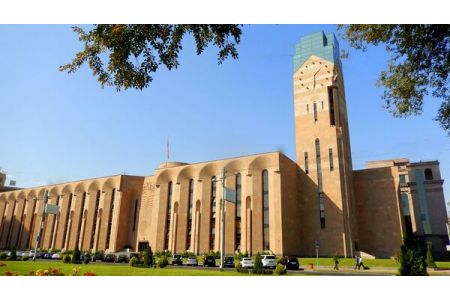 Yerevan City Hall is considering introducing a valet parking system in the city
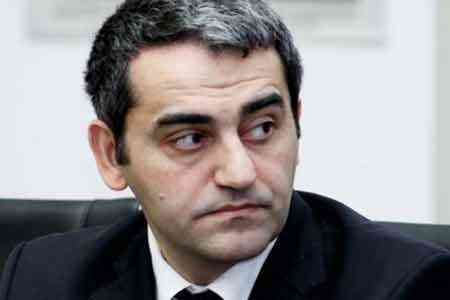 Expert: The circus surrounding the “Albanization” of Armenian culture in the presence of foreign ambassadors in occupied Artsakh is genocide
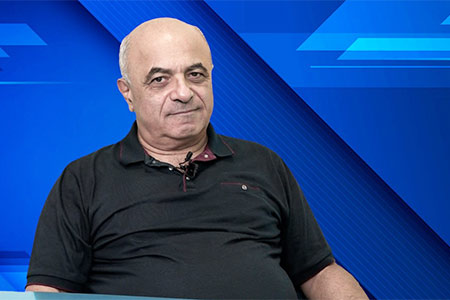 Political scientist: If Russian-Armenian relations are destroyed, Turkey will take Russia`s place
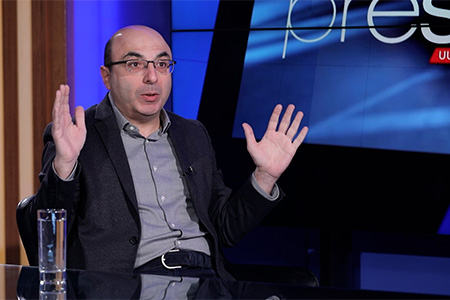 Political scientist: The Armenian public is simply obliged to significantly change the entire content of public discourse and struggle
 Cross tattoos are being removed from the skin of Christian prisoners in Azerbaijan by fire, according to a human rights activist.
 Zakharova: Armenia`s likely introduction of visas with Russia will be a step against Yerevan itself
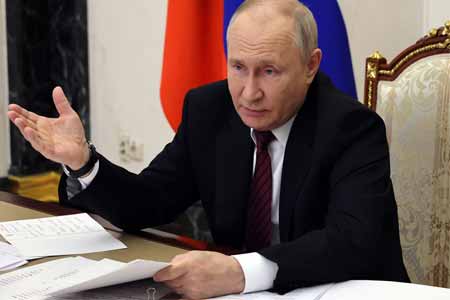 Putin: Armenia`s recognition of Karabakh as part of Azerbaijan in Prague has given Russia`s position on this issue an ambivalent character
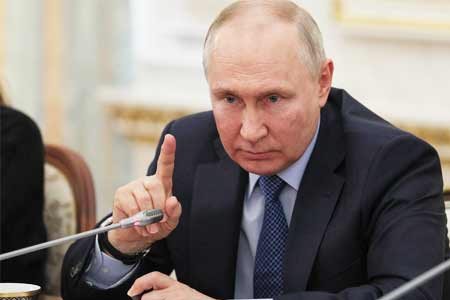 Putin: Armenia`s adoption of the law on EU accession means an announcement of its withdrawal from the Eurasian Economic Union
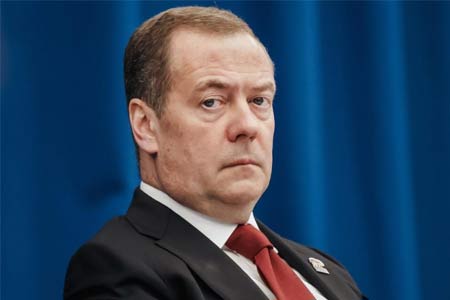 Medvedev: Yerevan will never become an EU member, but it will permanently damage relations with the Eurasian Economic Union, including with Moscow.
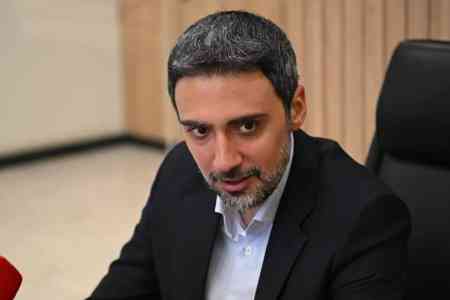 Aram Vardevanyan: Public demands solutions, not apology scandals in Parliament
 Arrested Armenian oligarch on economy and new jobs
  "In Baku, we gave a worthy rebuff to the false claims regarding the past and present of our people" – Former Artsakh Parliament Speaker from Baku captivity