
ArmInfo.The events unfolding around Iran are a sensitive issue for Armenia and Azerbaijan, as they border the country. However, in Georgia, Iran is viewed as a distant place.
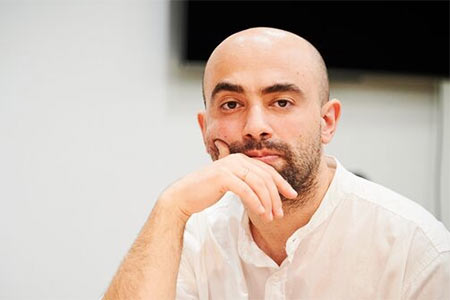
This opinion was expressed by Gurzin-based political scientist Archil Sikharulidze during a Yerevan- Tbilisi video conference on the topic "How the War in Iran Will Affect the Countries of the South Caucasus." Sikharulidze commented on why the situation around Iran was not discussed actively enough during the meeting in Tbilisi between Armenian Prime Minister Nikol Pashinyan and Georgian Prime Minister Irakli Kobakhidze.
As a similar example, the expert noted that the war in Artsakh also lacked relevance and importance in the Georgian information space. "This is due to the pragmatic policies of the ruling Georgian Dream party, which is facing serious political challenges. Georgia has been experiencing active protests since 2024, the country is subject to Western sanctions, and the government is facing pressure. Therefore, many processes occurring outside the context of the Georgian government's struggle often go unnoticed by the population. This explains why the prime ministers of Armenia and Georgia only made general remarks about security and the need for peace, but there were no serious discussions," Sikharulidze explained.
According to the expert, the events in Iran are more relevant to Georgia in the context of protests against the Iranian government, recalling that earlier, one of the protesters, an Iranian, attacked the Iranian embassy in Georgia and was arrested.
"Furthermore, during the protests, some opposition-minded citizens, self-proclaimed pro-Western, actively supported the strikes on Iran and even unfurled a huge American flag, declaring the need for Georgia to take a clear stance in support of Israel and the United States. Thus, Georgia is less concerned about the war than with domestic political issues that few people are aware of," the expert explained.
Speaking about the likelihood of a Kurdish scenario, Sikharulidze recalled the statement by the head of the Kurdish movement that they were not planning an uprising. The expert called this decision reasonable, noting that the Kurdish issue is relevant to Iraq, Turkey, and Iran, and none of these countries is interested in the Kurds' success at the regional level.
"Perhaps this is Plan B for US President Donald Trump, but in reality, it doesn't suit anyone," the expert concluded.
As a reminder, on the morning of February 28, the US and Israel attacked Iran. In response, Iran launched strikes against American bases in the Middle East. As a result of the US-Israeli aggression, Iran's Supreme Leader Ali Khamenei and several high-ranking Iranian military officials were killed. The US has so far confirmed the deaths of six of its soldiers. According to the latest reports, an Israeli strike on a girls' school in a province in southern Iran killed 170 students and their teachers, and wounded dozens more. According to HRANA, the total number of civilian deaths since the conflict began on February 28 has reached 1,097, including 181 children under the age of ten. Another 880 reports of fatalities are currently being verified and classified. The number of civilian casualties since February 28 has reached 5,402, including 100 children.















 Azerbaijani studies expert : Ruben Vardanyan’s wife threatened with arrest if she visits Baku
 Political scientist: If Russian-Armenian relations are destroyed, Turkey will take Russia`s place
 Political scientist: The Armenian public is simply obliged to significantly change the entire content of public discourse and struggle
 Cross tattoos are being removed from the skin of Christian prisoners in Azerbaijan by fire, according to a human rights activist.
 Zakharova: Armenia`s likely introduction of visas with Russia will be a step against Yerevan itself
 Putin: Armenia`s recognition of Karabakh as part of Azerbaijan in Prague has given Russia`s position on this issue an ambivalent character
 Putin: Armenia`s adoption of the law on EU accession means an announcement of its withdrawal from the Eurasian Economic Union
 Medvedev: Yerevan will never become an EU member, but it will permanently damage relations with the Eurasian Economic Union, including with Moscow.
 Aram Vardevanyan: Public demands solutions, not apology scandals in Parliament
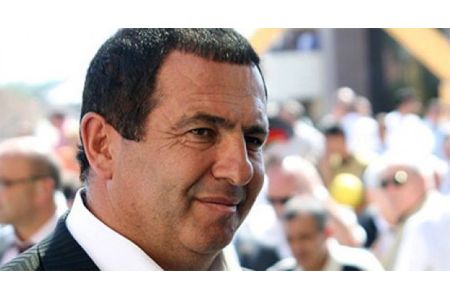 Arrested Armenian oligarch on economy and new jobs
 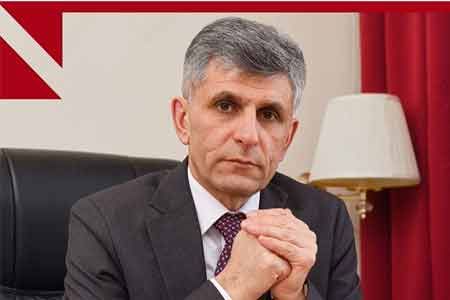 "In Baku, we gave a worthy rebuff to the false claims regarding the past and present of our people" – Former Artsakh Parliament Speaker from Baku captivity
 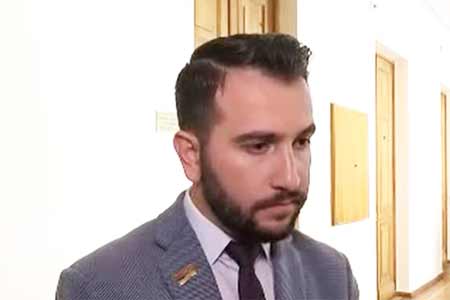 NA Vice Speaker candidate believes his wife`s salary as director of HayPost is the lowest in the company`s history
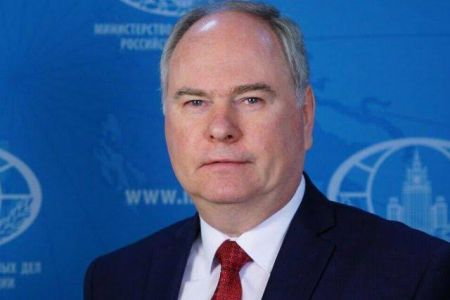 RF Permanent Representative: There is no CSTO-Armenia conflict
 Moscow: NATO seeking to "Pull" Armenia away from CSTO Allies
  Political analyst: Russia intends to determine which "Camp" Armenia will choose through a referendum
 Narek Karapetyan will give up his parliamentary salary in favor of charitable contributions.