
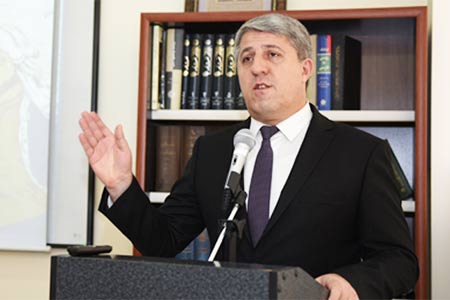
ArmInfo.It is clear to everyone that the issue of peaceful use of nuclear energy is a "red line" for Iran that Tehran is not willing to cross, as stated by political scientist Vardan Voskanyan at the hearings titled "The South Caucasus: Redistribution of Power."
According to him, the second round of indirect contacts between the US and Iran, mediated by Oman, has concluded in Geneva. It is premature to talk about full-fledged and direct bilateral negotiations. Their agenda is also unclear, but the Iranian side has clearly outlined its "red lines": Iran will negotiate exclusively on its nuclear program in exchange for the lifting of US sanctions, and will not discuss its missile program or the issue of its regional space forces. Iran has stated its unequivocal position that the country must develop its peaceful nuclear program and engage in uranium enrichment, while also assuring that uranium enriched to 60% will not be exported outside of Iran.
The political scientist pointed out that alongside the negotiating process, military preparations are also underway. The US is sending significant military forces to the region, while Iran, in turn, is conducting active military exercises. At the same time, both sides continue to resort to bellicose rhetoric in their statements. "While direct military confrontation hasn't yet occurred, the threats of the use of force are growing almost daily. And if this confrontation does happen, the Iranian-American conflict could extend beyond Iran and affect the entire region, including Armenia's interests," the political scientist suggested. He added that in this case, the US would mobilize all its available potential in the Middle East, which would pose more than serious consequences, including for Armenia. The political scientist noted that while the US is currently guided by the well-known British principle of "fleet in being," Iran is using the methodology of "deterrence by the threat of a regional war," which can be considered an Iranian innovation.

















 Analyst: The primary issue with Armenia`s new Parliament Speaker`s speech lies is its one-sided interpretation of the causes of the political crisis
 Expert: Gagik Tsarukyan embodies post-Soviet model of big business-state relations; this model is used in many other post-Soviet countries
 Expert: Azerbaijan promoting aggressive plans against Armenia at state level
 Iranologist: Baku`s propaganda of might masks the country`s inability to provide water to its own population
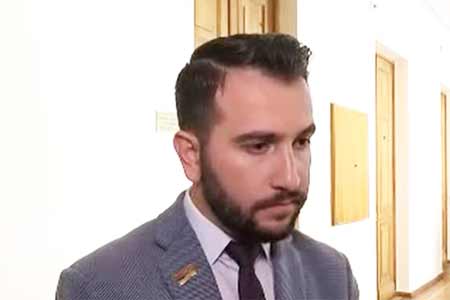 NA Vice Speaker candidate believes his wife`s salary as director of HayPost is the lowest in the company`s history
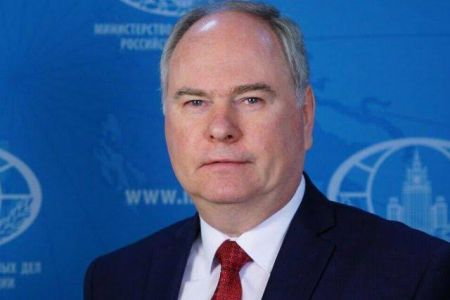 RF Permanent Representative: There is no CSTO-Armenia conflict
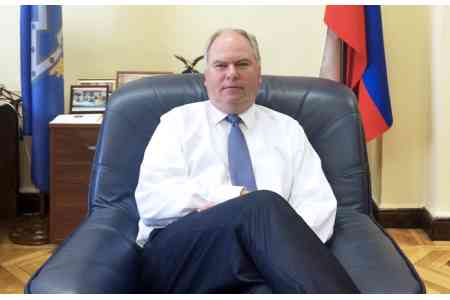 Moscow: NATO seeking to "Pull" Armenia away from CSTO Allies
 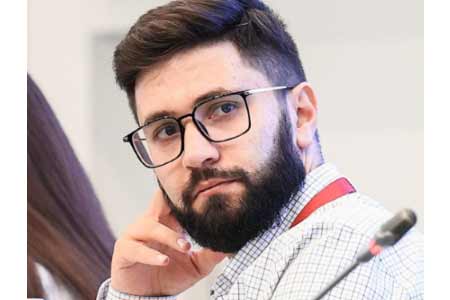 Political analyst: Russia intends to determine which "Camp" Armenia will choose through a referendum
 Narek Karapetyan will give up his parliamentary salary in favor of charitable contributions.
 Armenia and France discuss further development of strategic partnership and EU cooperation
  To overcome risks Armenia must reduce domestic escalation - expert
  Zatulin: Pashinyan was eager to get back to Russia because he actually lost the elections
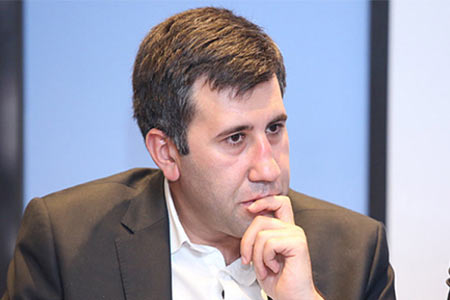 Human rights activist Ruben Melikyan dismissed from YSU
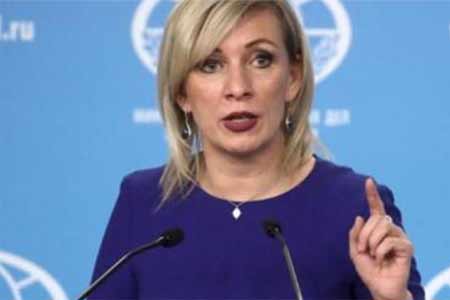 Zakharova: Armenia`s pro-EU pivot poses economic security risks to EAEU member states
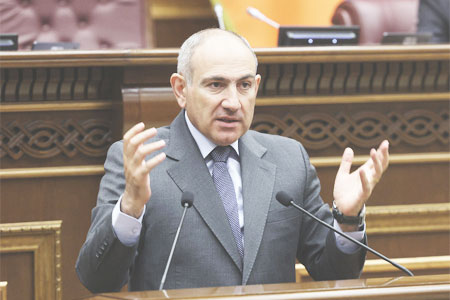 It`s time for South Caucasus countries to think of South Caucasus as single, unified region - RA premier
  Pashinyan: Armenia and Azerbaijan should leave each other alone
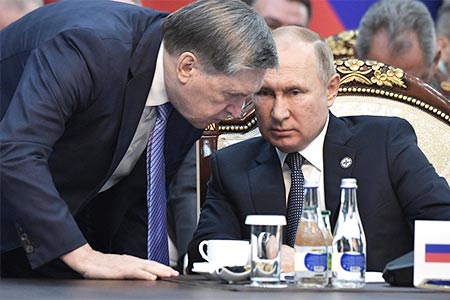 Moscow sees situation with Armenia as attempt to attack Russia-involving integration associations - Russian presidential aid