
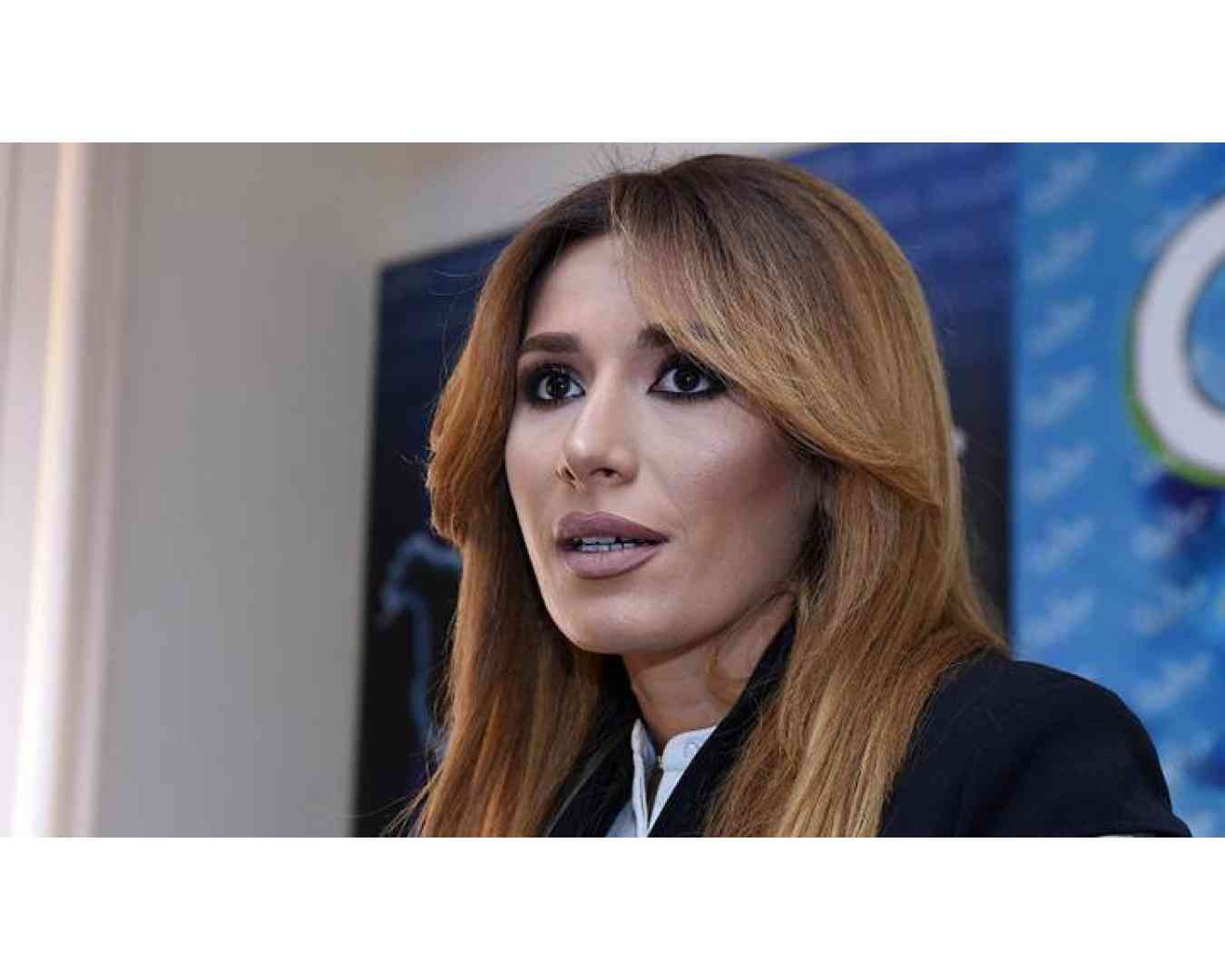
ArmInfo. While positively assessing the visit of US Vice President J.D. Vance, the deliberate distortion of his speech and the creation of unfounded expectations in Armenian society are unacceptable. Legal expert Gohar Meloyan wrote this on her Facebook page, reacting to the Vice President's statement following talks with Armenian Prime Minister Nikol Pashinyan about proposed investments of approximately $9 billion.
Meloyan noted that this statement created the impression that the funds in question would be invested directly in Armenia, while Vance's remarks were quite different.
"The US Vice President noted that the path is being paved for American and Armenian companies to conclude agreements on civilian nuclear projects, which entails up to $5 billion in US exports, as well as $4 billion in long-term support through contracts," Meloyan recalled. Thus, as the legal expert explained, the US Vice President was speaking about $9 billion in economic activity to be carried out in the US, not investments in Armenia. She also noted the lack of indication of who would pay for up to $5 billion in US exports and $4 billion in support, and how.
"It is obvious that the Armenian government is unable to pay such sums: the country simply does not have such funds and will not have them in the coming years. It is also obvious that the US government will not pay for exports originating from its territory. Therefore, while positively assessing the US Vice President's visit, it is unacceptable to deliberately distort his speech and create unfounded expectations in Armenian society," Meloyan concluded. As a reminder, on February 9, following talks with Armenian Prime Minister Nikol Pashinyan in Yerevan, US Vice President J.D. Vance announced at a press conference that Armenia and the US had completed negotiations on the "123" agreement in the field of civil nuclear energy, with investments of approximately $9 billion expected. He explained that the initial investment would be $5 billion, with a second phase expected to include an additional $4 billion.



















 Expert: Current process is not about peace, but implementing Azerbaijan`s wishlist
 Expert: Real peace unattainable until Armenia-Azerbaijan agreement is signed and ratified
 TRIPP`s proximity to Iranian border could slow its implementation - expert
  Who and why is sacrificing RA National Security Service`s reputation? - expert
  Tehran creating security environment in which sustainable shipping in Strait of Hormuz difficult to imagine without its direct participation - expert
  Arrested Armenian oligarch on economy and new jobs
  NA Vice Speaker candidate believes his wife`s salary as director of HayPost is the lowest in the company`s history
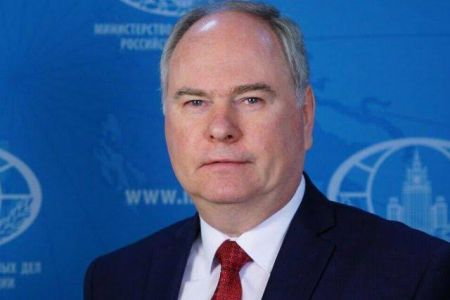 RF Permanent Representative: There is no CSTO-Armenia conflict
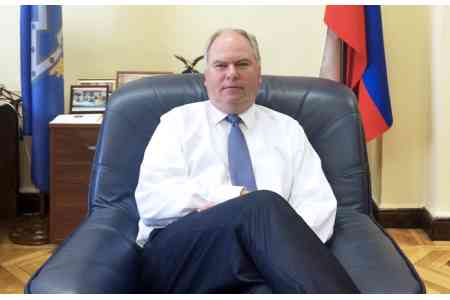 Moscow: NATO seeking to "Pull" Armenia away from CSTO Allies
 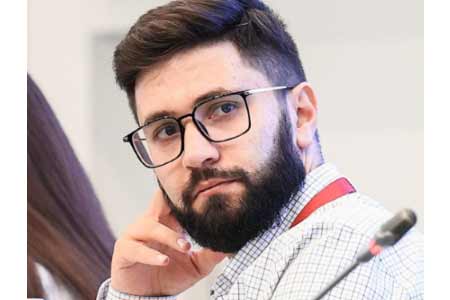 Political analyst: Russia intends to determine which "Camp" Armenia will choose through a referendum
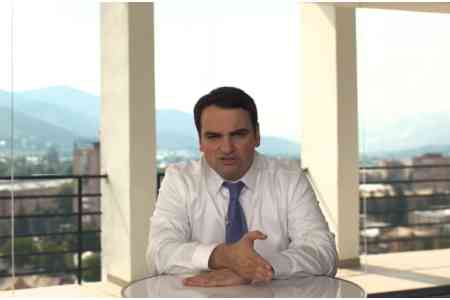 Narek Karapetyan will give up his parliamentary salary in favor of charitable contributions.
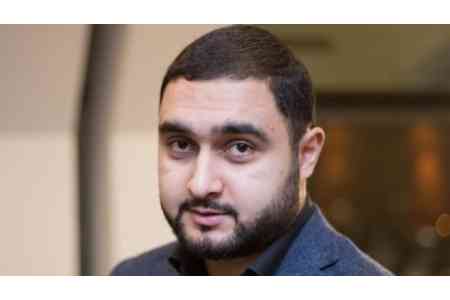 Armenian analyst: Developing relations with Europe and the U.S. must not jeopardize relations with regional powers
 Armenia and France discuss further development of strategic partnership and EU cooperation
 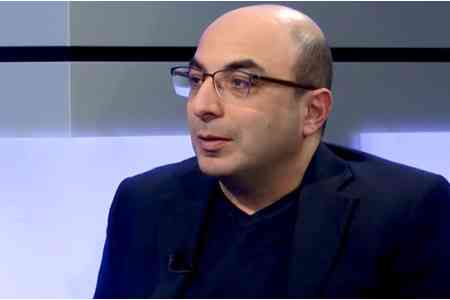 To overcome risks Armenia must reduce domestic escalation - expert
 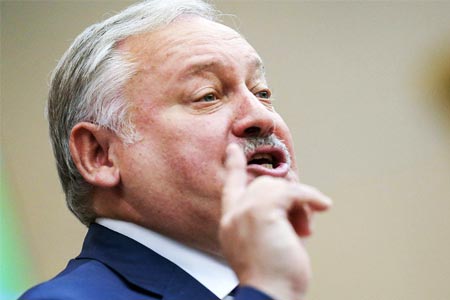 Zatulin: Pashinyan was eager to get back to Russia because he actually lost the elections
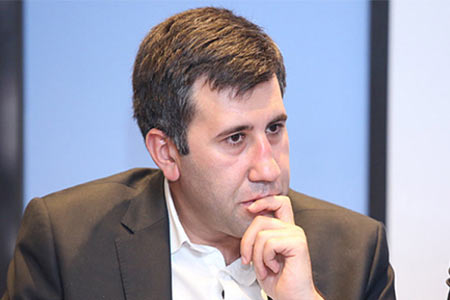 Human rights activist Ruben Melikyan dismissed from YSU
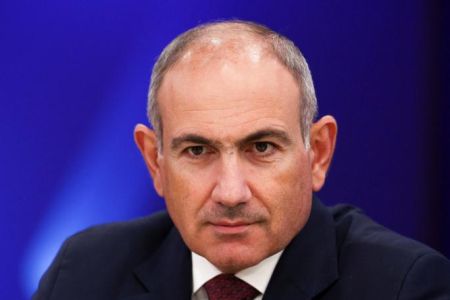 Pashinyan removed from INNOPROM guest list
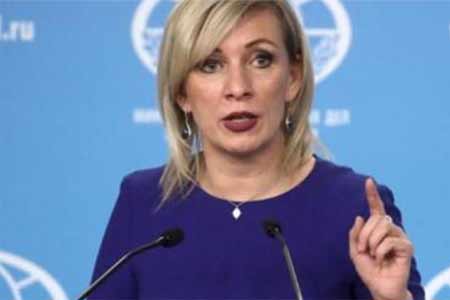 Zakharova: Armenia`s pro-EU pivot poses economic security risks to EAEU member states
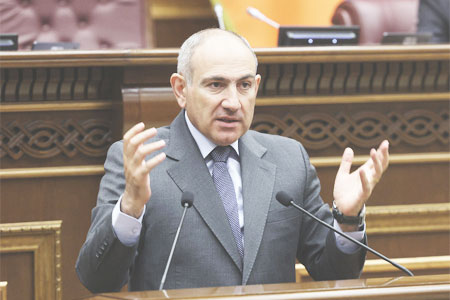 It`s time for South Caucasus countries to think of South Caucasus as single, unified region - RA premier
  Pashinyan: Armenia and Azerbaijan should leave each other alone