


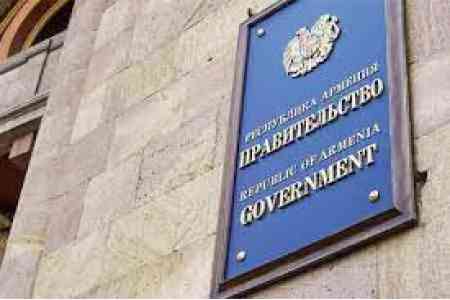
ArmInfo. On December 18, during its regular meeting, the Armenian government approved a draft law on the ratification of the Nagoya Protocol to the UN Convention on Biological Diversity on Access to Genetic Resources and the Fair and Equitable Sharing of Benefits Arising from their Utilization (ABS). As stated in the explanatory note to the document, the Nagoya Protocol, was adopted on October 29, 2010, in Nagoya, Japan.
It provides a transparent legal framework for the effective implementation of on of the three objectives of the Convention: the fair and equitable sharing of benefits arising out of the utilization of genetic resources. This is expected to result in the following benefits: in accordance with Article 6 of the Protocol (Access to Genetic Resources), the Protocol recognizes the sovereign right of States over their genetic resources and establishes the principles of prior informed consent (PIC) and mutually agreed terms (MAT).
By ratifying the Protocol, a State receives internationally recognized tools: - to control the use of its biological resources by foreign entities, to combat biopiracy, - to conclude favorable contracts with foreign entities (pharmaceutical, cosmetic, agricultural, and other companies).
By ratifying the Protocol, a State gains the opportunity to: fully participate in the development of international rules and standards for the use of genetic resources; use global information systems, including the ABS Clearing-House (Article 14 of the Protocol); and strengthen its position as a responsible and active party in international environmental policy. The State will also gain access to additional international financial sources.
The Protocol is linked to the activities of the Global Environment Facility (GEF) and other donors. By ratifying the Protocol, a State can: become a recipient of grants for the creation of targeted access and benefit-sharing (ABS) mechanisms; strengthen the integration of the Protocol into national biodiversity conservation strategies (NBSAPs) and climate programs. According to Article 22 of the Protocol, it creates a framework for technology exchange, joint research, and knowledge sharing, which is of particular importance for countries rich in biodiversity but limited in scientific and technical resources.









































 Political scientist: Real recount will deprive Pashinyan of any constitutional majority
 Expert: Even OSCE observers recorded numerous violations during elections in Armenia
  Armenia`s ex-minister of justice calls on opposition to honestly answer questions troubling Armenian citizens
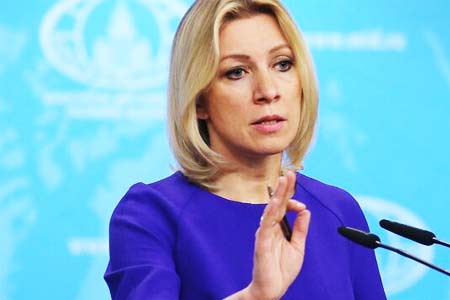 Elections in Armenia were accompanied by unprecedented pressure on opposition, RF MFA spokesperson claims
  Moscow to await official results of Armenian elections - Peskov
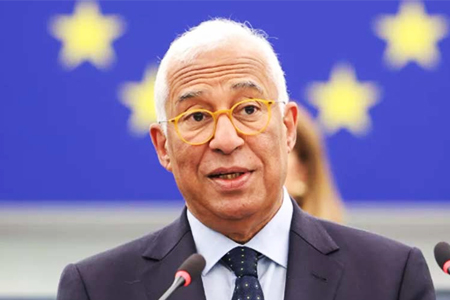 Antonio Costa: EU to deepen its partnership with Armenia, expanding cooperation in energy, trade, and digitalization
 Israeli MFA congratulates Pashinyan
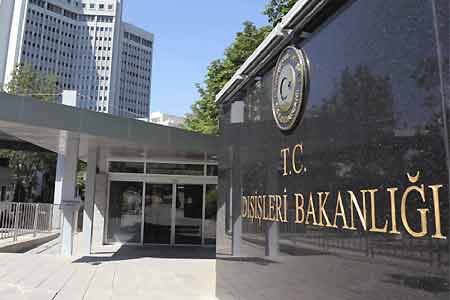 Turkish MFA comments on results of Armenian elections
 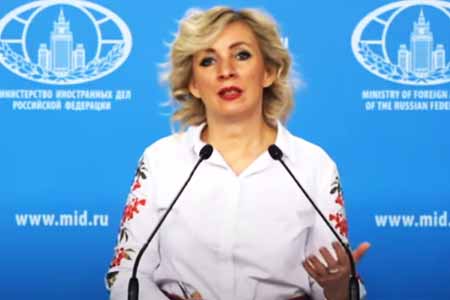 Zakharova: International observers cannot ignore `flagrant violations` in Armenian elections
 Strong Armenia to issue statement after vote count completed - Narek Karapetyan
 Russian Senator: Opposition complaints regarding election violations by ruling party remain unanswered
 RA premier receiving congratulations on his victory in parliamentary elections
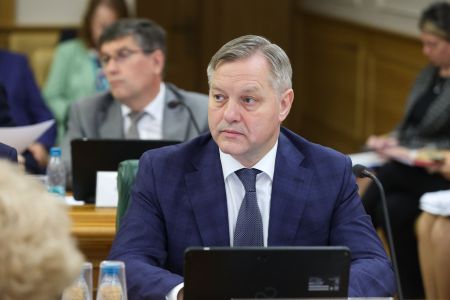 Head of IPA CIS Council Secretariat: Extremely difficult atmosphere during parliamentary elections campaign in Armenia accompanied by mass arrests
 Pashinyan`s party leads with 51.13% based on vote counts from 533 polling stations
 Voting in parliamentary elections in Armenia ends
  Strong Armenia: Administrative Court not providing judicial decisions to citizens wishing to vote in parliamentary elections