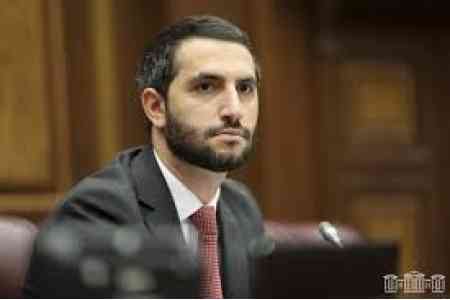
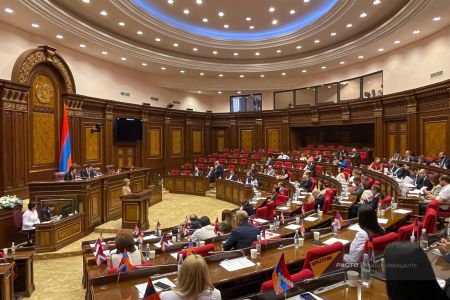
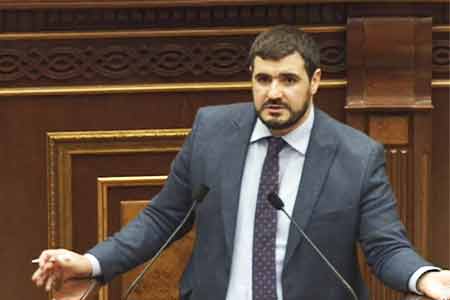
ArmInfo. The 44-day war in Nagorno-Karabakh was caused by an imbalance of military power in Azerbaijan's favor, as stated by Vice Speaker of the National Assembly Ruben Rubinyan to reporters on December 3. According to him, third President of the Republic of Armenia Serzh Sargsyan stated back in 2018 that the negotiations on Nagorno-Karabakh had reached a deadlock.
At that time, he also pointed out the lack of hope that Azerbaijan would not attempt to resolve the issue by military force. "The 44-day war occurred for two reasons. The first and foremost reason is that as of 1998, the ratio of military budgets between Armenia and Azerbaijan was practically equal. When Robert Kocharyan was finishing his presidential term in Armenia, this ratio was 1 to 5 in Azerbaijan's favor. Under Serzh Sargsyan, this gap grew even further, and we inherited this large budget gap, which, incidentally, was reduced under our rule. At the same time, the family budgets of Kocharyan and Sargsyan grew at a very significant rate," Rubinyan noted. The second reason, he cited, was that the negotiating package initially focused on how to return seven districts to Azerbaijan and what to do with Nagorno-Karabakh. "It's important to understand that at that point, virtually everyone recognized Nagorno-Karabakh as part of Azerbaijani territory. Meanwhile, the conditions in the negotiation process were constantly deteriorating, and Azerbaijan didn't even agree to them, as each successive document was better for it than the last. The only document that one of the parties-Armenia-agreed to last time was the Kazan document. At the same time, there wasn't a single document that Azerbaijan agreed to that Armenia rejected," Rubinyan emphasized. According to the Deputy Speaker, third president Serzh Sargsyan himself stated that under the 2018 document, which formed the basis for the 2019 document, Armenia was making real territorial concessions, while Azerbaijan was not. "He said that the issues of Nagorno-Karabakh's interim and final status remain blurred, and that Azerbaijan would seek control over the remaining territories in the next stage. Moreover, this document doesn't directly state that the Lachin region, with the exception of the Lachin corridor, and the Kelbajar regions remain under Nagorno-Karabakh's control. If the opposition calls us traitors, why didn't they accept the proposals back in 2016, if those proposals were so good? If those proposals were bad, why does the opposition blame us and ask why we didn't accept them?" Rubinyan added, noting that there would have been casualties regardless, as the war would have begun from an even worse starting position for the Armenian side. He also noted that the 2022 Prague statement made no changes to the essence of the November 9, 2020 statement or the role of Russian peacekeepers in Nagorno-Karabakh.













 Expert: Current process is not about peace, but implementing Azerbaijan`s wishlist
 Expert: Real peace unattainable until Armenia-Azerbaijan agreement is signed and ratified
 TRIPP`s proximity to Iranian border could slow its implementation - expert
  Who and why is sacrificing RA National Security Service`s reputation? - expert
  Tehran creating security environment in which sustainable shipping in Strait of Hormuz difficult to imagine without its direct participation - expert
  Arrested Armenian oligarch on economy and new jobs
  NA Vice Speaker candidate believes his wife`s salary as director of HayPost is the lowest in the company`s history
 RF Permanent Representative: There is no CSTO-Armenia conflict
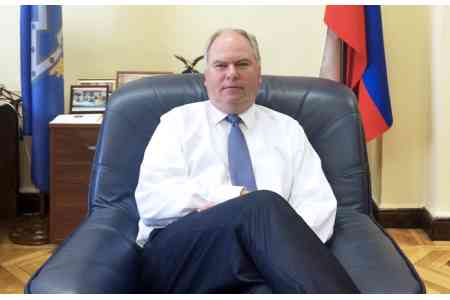 Moscow: NATO seeking to "Pull" Armenia away from CSTO Allies
  Political analyst: Russia intends to determine which "Camp" Armenia will choose through a referendum
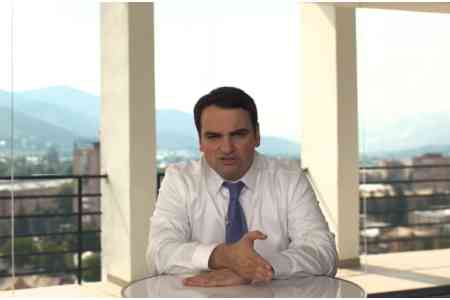 Narek Karapetyan will give up his parliamentary salary in favor of charitable contributions.
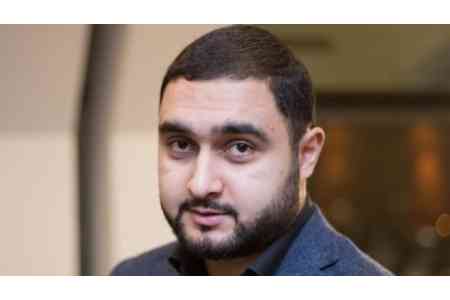 Armenian analyst: Developing relations with Europe and the U.S. must not jeopardize relations with regional powers
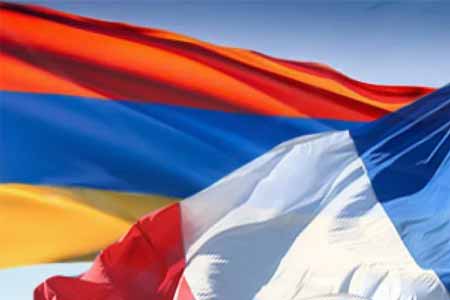 Armenia and France discuss further development of strategic partnership and EU cooperation
 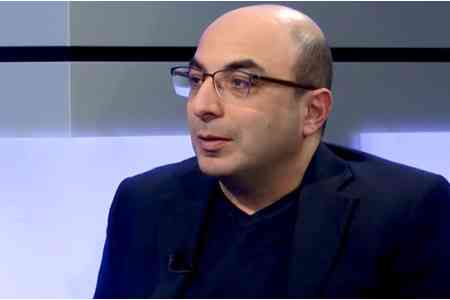 To overcome risks Armenia must reduce domestic escalation - expert
 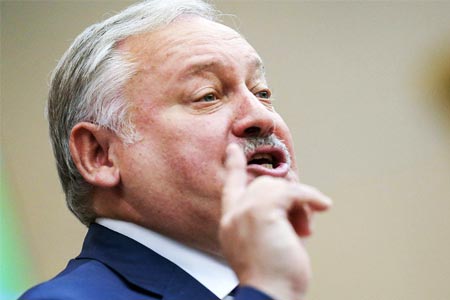 Zatulin: Pashinyan was eager to get back to Russia because he actually lost the elections
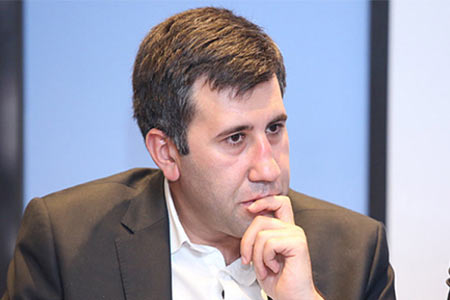 Human rights activist Ruben Melikyan dismissed from YSU
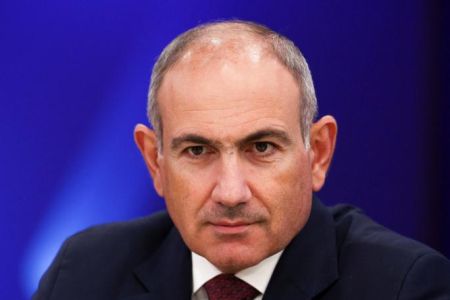 Pashinyan removed from INNOPROM guest list
 Zakharova: Armenia`s pro-EU pivot poses economic security risks to EAEU member states
 It`s time for South Caucasus countries to think of South Caucasus as single, unified region - RA premier
  Pashinyan: Armenia and Azerbaijan should leave each other alone