


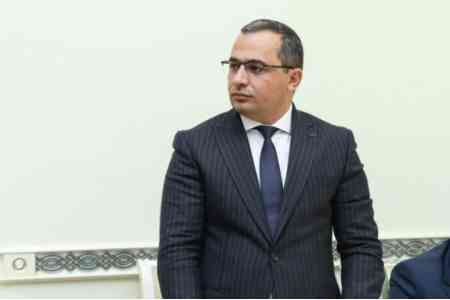
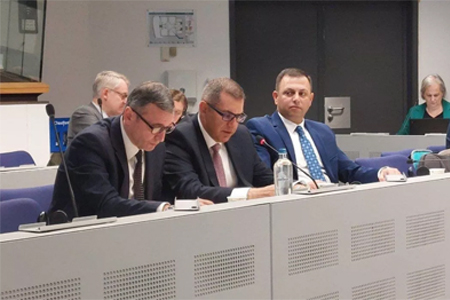
ArmInfo. The investigator does not conduct a tax audit; he merely orders an audit, which is carried out by the State Revenue Committee. The SRC also issues an audit report. This was stated by Investigative Committee Chairman Artur Poghosyan in parliament on November 5, responding to a question from Civil Contract faction MP Tsovinar Vardanyan about businesses complaining about the methods of the investigative bodies and the SRC in initiating criminal prosecutions for failure to fulfill alleged tax obligations in the amount of 10 million drams.
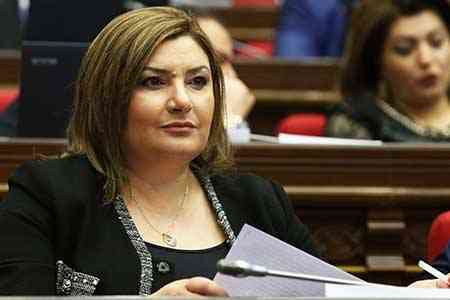
According to Vardanyan, many businessmen claim that the amount of the alleged violation is deliberately inflated so that the case can be transferred from the SRC to the Investigative Committee. The latter, in turn, first confiscates the business's property for a period exceeding legally permitted limits, and then demands payment of certain sums, citing a set plan for replenishing the state treasury. Agnessa Khamoyan, a member of parliament from the opposition Hayastan faction, stated that the current problems facing businesses in Armenia aren't limited to the confiscation of computers and other equipment for months during tax audits, nor the way investigators treat tax violators, even those who haven't yet been proven guilty, as if they were habitual criminals.
"The problem can be summed up as state racketeering. It's even more surreal considering you're shifting the blame to the tax office (the State Revenue Committee - ed.), while the tax office points the finger at you. Tax officers very politely invade the premises of a business entity, demanding that you pay taxes in the amount of X, and if you don't, they threaten you-investigators will investigate. The latter also suggest paying the taxes into some account, then promise a recalculation, and if you don't, they threaten you again-this time with arrest," Khamoyan said.
Previously, Vahram Mirakyan, co-founder and president of the Mantashyants Entrepreneurs' Club, repeatedly stated that criminal cases against businesses in Armenia have become a treadmill. Specifically, according to the head of the Mantashyants Club, approximately 1,000 businesses in Armenia are subject to criminal prosecution annually, a horrific figure for the country. By comparison, 3,000-4,000 criminal cases are filed against businesses in the United States annually, while there are approximately 30 million businesses in the United States and approximately 70,000 in Armenia.
As a reminder, in 2024, the State Revenue Committee initiated amendments to the Tax Code aimed at abolishing incentive provisions and establishing stricter criminal penalties for tax violations. The State Revenue Committee believed that this facilitates the commission of tax crimes, and the legal basis for recognizing exemption from criminal liability through compensation for property damage caused by a crime hinders and prevents the commission of new tax crimes. The initiator proposed establishing a penalty for tax violations in the form of imprisonment for a term of three years or more, if violations amount to 10 million drams or more. The bill was met with an extremely negative response from the business community and expert circles.
























 Political scientist: Real recount will deprive Pashinyan of any constitutional majority
 Expert: Even OSCE observers recorded numerous violations during elections in Armenia
  Armenia`s ex-minister of justice calls on opposition to honestly answer questions troubling Armenian citizens
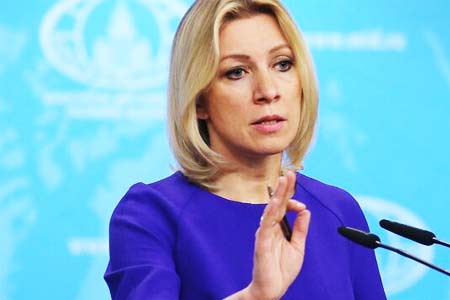 Elections in Armenia were accompanied by unprecedented pressure on opposition, RF MFA spokesperson claims
  Moscow to await official results of Armenian elections - Peskov
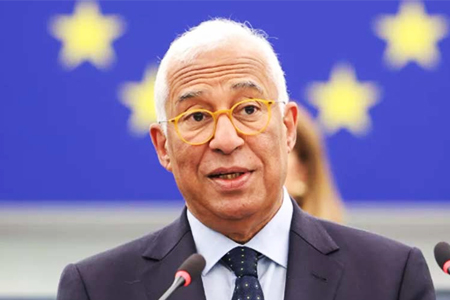 Antonio Costa: EU to deepen its partnership with Armenia, expanding cooperation in energy, trade, and digitalization
 Israeli MFA congratulates Pashinyan
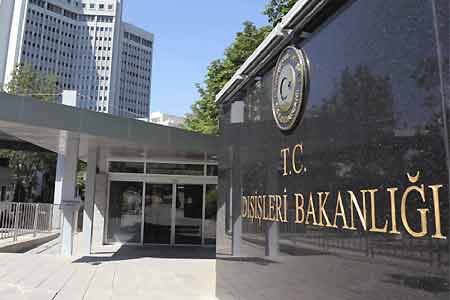 Turkish MFA comments on results of Armenian elections
 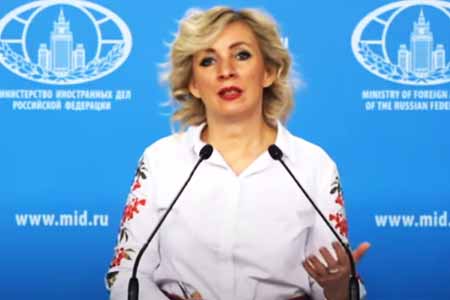 Zakharova: International observers cannot ignore `flagrant violations` in Armenian elections
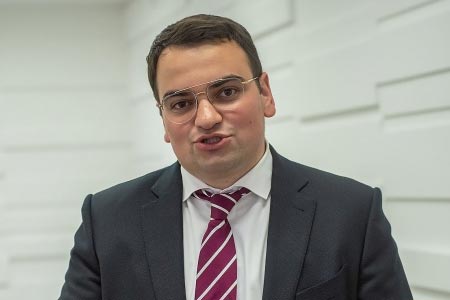 Strong Armenia to issue statement after vote count completed - Narek Karapetyan
 Russian Senator: Opposition complaints regarding election violations by ruling party remain unanswered
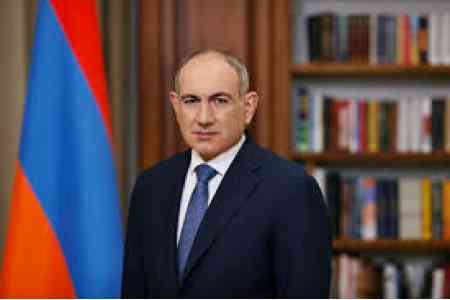 RA premier receiving congratulations on his victory in parliamentary elections
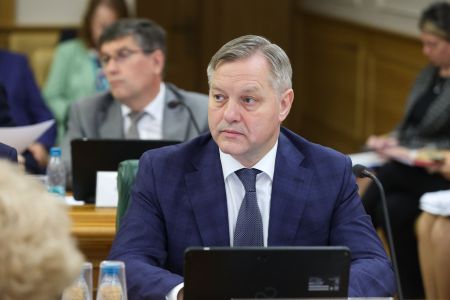 Head of IPA CIS Council Secretariat: Extremely difficult atmosphere during parliamentary elections campaign in Armenia accompanied by mass arrests
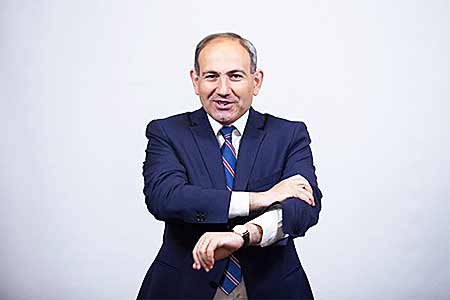 Pashinyan`s party leads with 51.13% based on vote counts from 533 polling stations
 Voting in parliamentary elections in Armenia ends
  Strong Armenia: Administrative Court not providing judicial decisions to citizens wishing to vote in parliamentary elections