
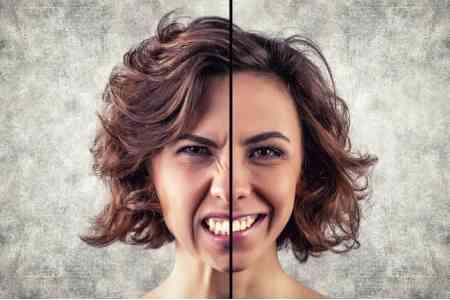
ArmInfo. Armenia is among the top five countries with high levels of anger levels in the population, according to Gallup's inaugural report on the state of the world's emotional health, analyzed in 144 countries.
"Anger was highest in Chad, Jordan, Armenia, Northern Cyprus, Sierra Leone, and Iraq-countries and areas marked by active conflict, recent wars, or ongoing political and economic instability. In Chad, anger reached a record high in 2024, potentially reflecting public frustration after a deadly ammunition depot in June and unrest surrounding disputed elections," the report states, accompanied by a graph showing Armenia's anger level at 43%. Only Jordan (46%) and Chad (47%) had higher anger levels.
Gallup's first-ever global emotional health report, published on the organization's website, found that negative emotion levels worldwide remain significantly higher than they were a decade ago, even though they have declined since the peaks of the pandemic. These heightened negative experiences are important because they reflect more than just emotional well- being-they are also linked to peace and health. Distress is more common in less peaceful societies, with anger and sadness in particular being associated with independent measures of global peace and negative emotions in general associated with life expectancy at birth.
The Global Emotional Landscape
In 2024, Gallup polls in 144 countries and territories found that more people worldwide are experiencing negative emotions than ten years ago, when global unrest began to rise: 39% of adults said they had felt very worried the previous day, 37% reported feeling stressed, 26% reported feeling sad, and 22% reported feeling angry. With the exception of physical pain, all types of negative emotions have retreated from their pandemic highs, but each remains at least four percentage points higher than in 2014. At the same time, the world has not lost its joy. People's self-reports of positive emotions, including smiling and laughter, have remained the same and, in some cases, even higher than during the pandemic. In 2024, 88% of adults worldwide said they had been treated with respect the previous day, up three points from 2023 and among the highest rates ever recorded by Gallup. Smiling or laughing (73%), enjoying themselves (73%), and feeling well-rested (72%) remained unchanged in 2024, while learning or engaging in interesting activities declined slightly to 52% but remained slightly above 2014 levels.
Emotions and Peace
To better understand how peace and emotional wellbeing intersect, Gallup compared daily emotions with two indexes produced by the Institute for Economics & Peace: the Global Peace Index and the Positive Peace Index. The Global Peace Index measures negative peace - the absence of violence and conflict - across 163 countries, based on indicators such as levels of conflict, crime, political instability and militarization. Higher scores on the index mean greater levels of violence and conflict, while lower scores mean lower levels of violence and conflict. The Positive Peace Index measures positive peace - the attitudes, institutions and structures that sustain lasting stability, including good governance, equitable resource distribution and social cohesion. Higher scores on the index mean sustainable peace is weaker, while lower scores mean it is stronger.
Together, the two indexes provide complementary perspectives: peace as it exists today, and the conditions that make it endure. Gallup's analysis shows that negative emotions are clear markers of fragile peace, though the patterns differ slightly between the Global Peace Index and the Positive Peace Index.
Global Peace Index
Negative emotions are associated with higher scores on the Global Peace Index, which means they are more common in countries that experience more violence and conflict. Sadness, worry and anger, in particular, are common in less peaceful countries. These associations remain significant even after controlling for GDP, which means wealth does not explain all of the relationship. Stress and physical pain also show connections at the raw correlation level, but these relationships disappear once GDP is taken into account. Anger, sadness and worry are more common in less peaceful countries. These associations remain even after controlling for GDP per capita.
Negative emotions are also associated with higher scores on the Positive Peace Index, which means they are more common in countries with weaker sustainable peace. Anger, sadness and physical pain, in particular, are strongly associated with weaker Positive Peace scores. After controlling for GDP, anger, sadness and physical pain are still strongly associated with weaker Positive Peace scores, while stress and worry are not.




















 Armenian experts, leading Turkish think tanks discuss prospects for expanding cooperation
  Political Scientist: As long as the opposition remains silent, Pashinyan can use Plan B and secure a constitutional majority
 US-Iranian memorandum more beneficial for Iran from political and economic perspective - expert
  Political analyst: While Pashinyan pledges peace with Azerbaijan, Baku continues promoting the "Western Azerbaijan" project
 Zakharova: Armenia`s pro-EU pivot poses economic security risks to EAEU member states
 It`s time for South Caucasus countries to think of South Caucasus as single, unified region - RA premier
  Pashinyan: Armenia and Azerbaijan should leave each other alone
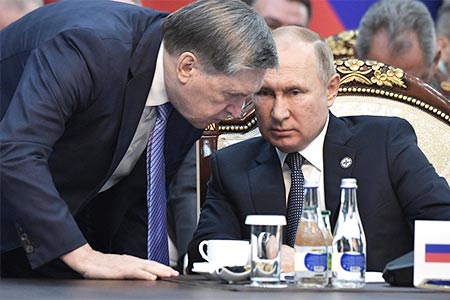 Moscow sees situation with Armenia as attempt to attack Russia-involving integration associations - Russian presidential aid
 Zakharova: Armenia views relations with Russia as tool for financially securing reorientation toward EU
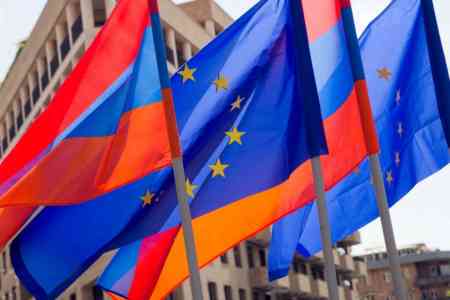 The Armenian Minister of Justice and the EU Ambassador discussed visa liberalization issues for Yerevan.
 Azerbaijan`s aggressive plans against Armenia became possible in wake of Pashinyan`s decisions on Artsakh - expert
  Zakharova: Russia sent a note of protest to Armenia over the act of vandalism at the "Mother Armenia" memorial in Gyumri
 Samvel Karapetyan proposes creating a post-election opposition coalition
 Artsakh`s Cultural Heritage Ombudsman called on Moscow to respond to destruction of WWII monuments by Azerbaijan in occupied NKR
 Prosecutor General`s Office petitions Central Electoral Commission for criminal prosecution of Robert Kocharyan
 Dutch Prime Minister expresses his support for Armenia`s democratic reform and economic diversification agenda
 Heritage: It`s time for Armenia`s opposition to present people with legitimate alternative to power
 RA Security Council Sec, Assistant to President of Azerbaijan hold negotiations in Dilijan
  CEC Neutralizes PAP: Three Political Forces to Enter Armenian Parliament Following Election Vote