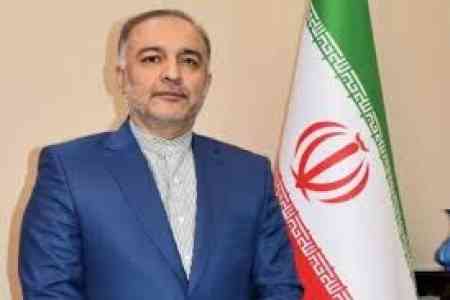
ArmInfo. There will be no 'corridor,' we are talking about a road. This was stated by the Iranian Ambassador to Armenia Mehdi Sobhani in a conversation with journalists on September 9 in the RA parliament, commenting on the recent statements of the President of Azerbaijan that the so-called "Zangezur corridor will soon become another important segment of the Middle Corridor."
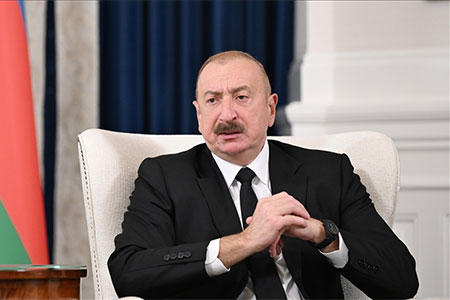
Earlier, in his speech at the SCO summit, Baku leader Ilham Aliyev praised the prospects of the so-called 'Zangezur Corridor.' "The recent agreements to connect the mainland of Azerbaijan with its Nakhchivan Autonomous Republic will help expand transit opportunities for international transportation. I am confident that the Zangezur Corridor will soon become another important segment of the Middle Corridor, as well as the North-South Corridor, which will strengthen peace, multilateral partnership and benefit all of Azerbaijan's near and far neighbors to the east, west, north and south of our borders," Aliyev said.
"There is nothing called a 'corridor', we are talking about a road. Neither the peace agreement nor the signed declaration mention a corridor," the Iranian diplomat said.
When asked what Tehran is prepared to do if Baku does decide to open a 'corridor,' Mehdi Sobhani insisted: 'there will be no 'corridor.' Violence will not achieve anything'
On August 8, Armenian Prime Minister Nikol Pashinyan and Azerbaijani President Ilham Aliyev signed a joint "Declaration of Peace" in Washington. It provides for a joint appeal to the Organization for Security and Cooperation in Europe (OSCE) to terminate the OSCE Minsk process and related structures, as well as the creation of a transport corridor through Armenian territory that will connect Azerbaijan with its Nakhchivan exclave. The TRIPP project (Trump Route for International Peace and Prosperity, a 42-km road in the south of Armenia, the management of which will be entrusted to the United States for a period of 99 years), according to experts, is capable of significantly changing the geopolitical situation in the South Caucasus.
During the visit of Iranian President Masoud Pezeshkian to Armenia, Prime Minister Nikol Pashinyan assured him that one of the key agreements with Azerbaijan concerns the unblocking of regional communications, and exclusively within the framework of the principles of territorial integrity, sovereignty and jurisdiction of states, as well as on the basis of reciprocity. "In practice, this will open new doors for Armenian-Iranian cooperation in rail transportation, including the opening of the Nakhichevan-Julfa railway. Iran will gain rail access from the Persian Gulf to the Black Sea," the Armenian Prime Minister noted. Nikol Pashinyan also assured that communications through Armenia will operate exclusively under the jurisdiction of the Republic of Armenia, and that security will be ensured by Armenia itself, and not by any other country.
















 RA Government guarantees high salaries for CC justices, Syunik families deprived of family benefits - politician
  Armenian experts, leading Turkish think tanks discuss prospects for expanding cooperation
  Political Scientist: As long as the opposition remains silent, Pashinyan can use Plan B and secure a constitutional majority
 US-Iranian memorandum more beneficial for Iran from political and economic perspective - expert
  Zakharova: Armenia`s pro-EU pivot poses economic security risks to EAEU member states
 It`s time for South Caucasus countries to think of South Caucasus as single, unified region - RA premier
  Pashinyan: Armenia and Azerbaijan should leave each other alone
 Moscow sees situation with Armenia as attempt to attack Russia-involving integration associations - Russian presidential aid
 Zakharova: Armenia views relations with Russia as tool for financially securing reorientation toward EU
 The Armenian Minister of Justice and the EU Ambassador discussed visa liberalization issues for Yerevan.
 Azerbaijan`s aggressive plans against Armenia became possible in wake of Pashinyan`s decisions on Artsakh - expert
  Zakharova: Russia sent a note of protest to Armenia over the act of vandalism at the "Mother Armenia" memorial in Gyumri
 Samvel Karapetyan proposes creating a post-election opposition coalition
 Artsakh`s Cultural Heritage Ombudsman called on Moscow to respond to destruction of WWII monuments by Azerbaijan in occupied NKR
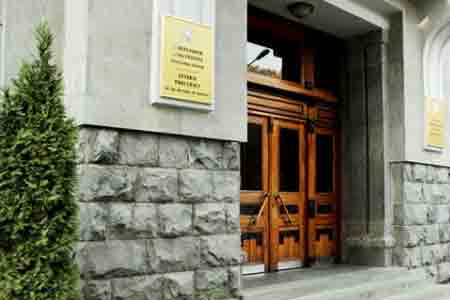 Prosecutor General`s Office petitions Central Electoral Commission for criminal prosecution of Robert Kocharyan
 Dutch Prime Minister expresses his support for Armenia`s democratic reform and economic diversification agenda
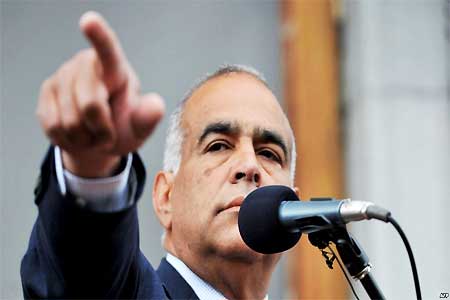 Heritage: It`s time for Armenia`s opposition to present people with legitimate alternative to power
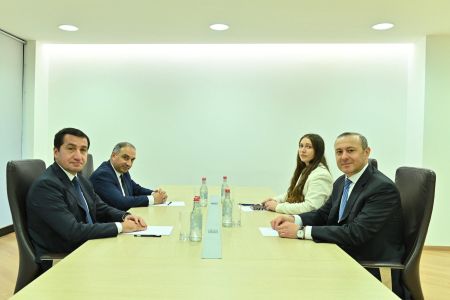 RA Security Council Sec, Assistant to President of Azerbaijan hold negotiations in Dilijan
 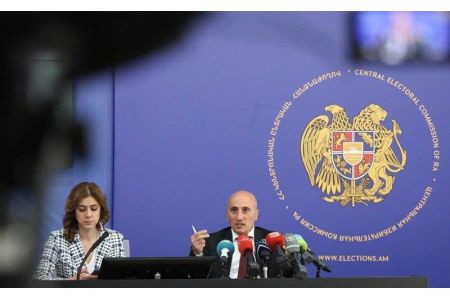 CEC Neutralizes PAP: Three Political Forces to Enter Armenian Parliament Following Election Vote