


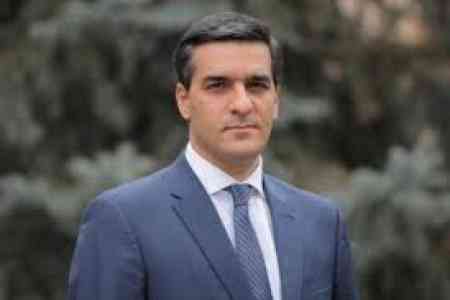
ArmInfo. The agreement between Armenia and Azerbaijan on the establishment of peace and interstate relations initialed in Washington downplays the issue of missing persons and the rights of their families, allowing the Azerbaijani side to cleanse itself of its crimes.
This opinion was expressed by the former Ombudsman of Armenia, head of the Tatoyan Foundation Arman Tatoyan in his telegram channel on the occasion of the International Day of the Missing Persons. In particular, according to him, this document devalues international mechanisms, such as the UN, and the issue is taken out of the framework of international control and transferred to the sphere of bilateral relations. "Thus, another unacceptable provision in this agreement stipulates that Armenia will abandon all types of international demands on Azerbaijan," Tatoyan noted.
The former ombudsman also reported that yesterday, August 31, on the International Day of the Disappeared, he discussed this important issue, which has been causing mental suffering to so many families and tension in Armenian society for 5 years, with Anna Melikyan, a legal expert at the NGO "Protection of Rights Without Borders".
The exact number of Armenian prisoners of war and hostages held in Azerbaijani prisons is still unknown. According to the latest data from the International Committee of the Red Cross, as of August 2024, about 1,000 people are considered missing on the Armenian side, with about 300 people considered as such after the latest escalation in the Nagorno-Karabakh conflict zone in the period from autumn 2020 to autumn 2023. Moreover, all data was collected by the ICRC based on appeals from the relatives of the missing persons themselves. The ICRC also reported that among these 300 people, there are several dozen appeals concerning cases where the family did not agree with the DNA data provided by the state. Recall that on August 8, Armenian Prime Minister Nikol Pashinyan and Azerbaijani President Ilham Aliyev signed a joint seven-point "Declaration of Peace" in Washington. It provides for a joint appeal to the Organization for Security and Cooperation in Europe (OSCE) to terminate the OSCE Minsk process and related structures, as well as the creation of a transport corridor through Armenian territory that will connect Azerbaijan with its Nakhchivan exclave, surrounded by Armenia, Turkey and Iran. The TRIPP project (Trump Route for International Peace and Prosperity, a 42-km road in southern Armenia that will hand over control of the road to the United States for 99 years), according to experts, is capable of significantly changing the geopolitical situation in the South Caucasus.


















 US-Iranian memorandum more beneficial for Iran from political and economic perspective - expert
  Political analyst: While Pashinyan pledges peace with Azerbaijan, Baku continues promoting the "Western Azerbaijan" project
 Political analyst: In light of new realities, Yerevan may propose advancing peace process with Baku without constitutional referendum
 Present-day geopolitical competition shifts from territorial control to infrastructure flows
 Artsakh`s Cultural Heritage Ombudsman called on Moscow to respond to destruction of WWII monuments by Azerbaijan in occupied NKR
 Prosecutor General`s Office petitions Central Electoral Commission for criminal prosecution of Robert Kocharyan
 Dutch Prime Minister expresses his support for Armenia`s democratic reform and economic diversification agenda
 Heritage: It`s time for Armenia`s opposition to present people with legitimate alternative to power
 RA Security Council Sec, Assistant to President of Azerbaijan hold negotiations in Dilijan
  CEC Neutralizes PAP: Three Political Forces to Enter Armenian Parliament Following Election Vote
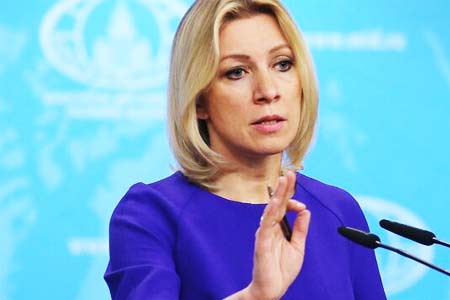 Elections in Armenia were accompanied by unprecedented pressure on opposition, RF MFA spokesperson claims
 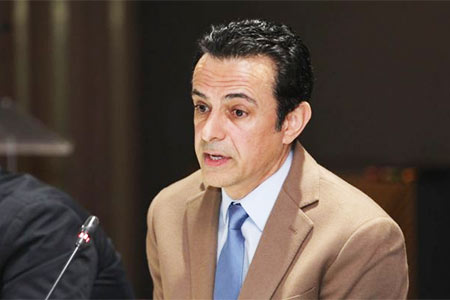 Expert: Even OSCE observers recorded numerous violations during elections in Armenia
 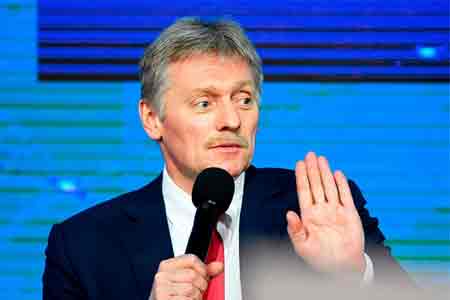 Moscow to await official results of Armenian elections - Peskov
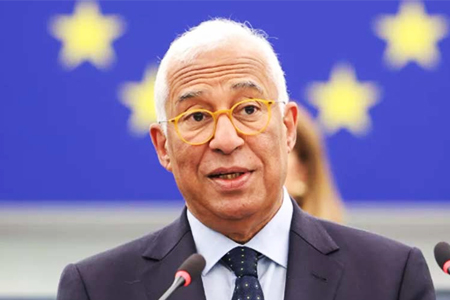 Antonio Costa: EU to deepen its partnership with Armenia, expanding cooperation in energy, trade, and digitalization
 Israeli MFA congratulates Pashinyan
 Turkish MFA comments on results of Armenian elections
  Zakharova: International observers cannot ignore `flagrant violations` in Armenian elections
