


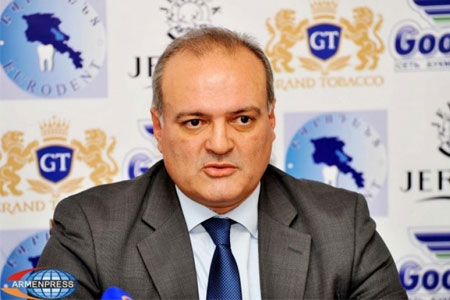
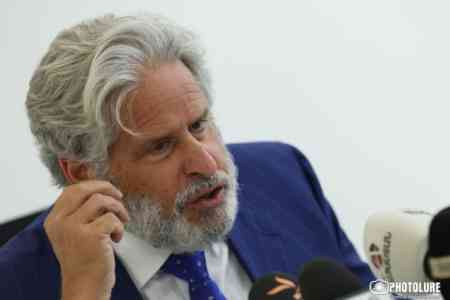
ArmInfo. The rather tough confrontation between the parliamentary majority and the two opposition factions, which began from the first days of the work of the National Assembly of the 8th convocation, demonstrates that the times of systemic opposition are already in the past. Political strategist Vigen Hakobyan expressed a similar opinion to ArmInfo.
"If in the previous parliament there were parties that consider themselves opposition only because they were not part of the government, now there is a radical opposition in parliament, people, who took parliamentary mandates in order to continue street struggle within the walls of parliament in order to overthrow the government. And this opposition is trying to wage this fight on the street, in parliament and in the information arena, "he said.
In this light, the political strategist noted that over the past two weeks, in particular, the desire of the "Hayastan" and "I Have Honor" factions to use the parliamentary rostrum not as a platform for lawmaking, but as another tool, along with the street, for political fight. In his opinion, today the opposition is to convey its point of view to the general public from the rostrum of the parliament. However, in his opinion, such a tactic can only have a short-term success, since it will soon become commonplace, and the rating of live broadcasts of parliamentary sessions will very quickly fall.
Against this background, the ruling force, according to Hakobyan, voicing calls for constructive work, is trying to transfer political processes to a more comfortable systemic field. And they are trying to find in the "Hayastan" and "I have honor" "street factions" a systemic opposition that is habitually comfortable for themselves. The "Civil Contract" is trying to tear the opposition away from the "street" and begin to negotiate with it.
"Based on the results of the first two weeks of the parliament's work, we have to admit that the authorities have not yet been able to agree on any issues with the current opposition in parliament. And if in the first sessions of parliament the ruling force demonstrated a desire for a conciliatory dialogue with opponents, then later it somewhat toughened its rhetoric. It is not excluded that the pro-government MPs did this, having come to the conclusion that their peacefulness can be viewed as a sign of weakness, "the political strategist suggested.
In general, according to Hakobyan, such a situation was quite predictable from the outset, due to the emergence of not constructive opposition, but radical opposition forces within the walls of parliament. A similar status, in his opinion, presupposes a very specific line of behavior and tactics, through which the opposition, among other things, tries to justify its presence in parliament in the eyes of its own radical electorate.
"The opposition demonstrates that it came to the parliament not to discuss laws with the current government in a constructive and partner-like environment, but to resolve its own political agenda, which consists in the early overthrow of this very government. And the past two weeks have shown that the two opposition factions, on the whole, manage to work together. And the authorities fail to come to an agreement with them. I think that if the opposition manages to use the street factor in parallel with the work in parliament, this work will become much more effective," the political strategist summed up.
It should be noted that following the results of the first two weeks of the work of the 8th convocation of the National Assembly of Armenia, we have to record the absolute unwillingness of the people's representatives to participate in the discussion of the accumulated external and internal problems of the country. With very rare exceptions, parliamentarians use the NA rostrum for mutual accusations, reproaches, hints and swearing. Moreover, we are talking about all three parliamentary factions without exception. Moreover, in a strange way, representatives of the opposition "Hayastan" and "I Have Honor" blocs shy away from demanding the ruling Civil Contract party to disclose the current negotiating agenda with Azerbaijan and Russia, preferring to focus on interpersonal issues.















 Political analyst: In light of new realities, Yerevan may propose advancing peace process with Baku without constitutional referendum
 Present-day geopolitical competition shifts from territorial control to infrastructure flows
 Expert: Public participation in decision-making essential for sustainable urban development
  Heritage: It`s time for Armenia`s opposition to present people with legitimate alternative to power
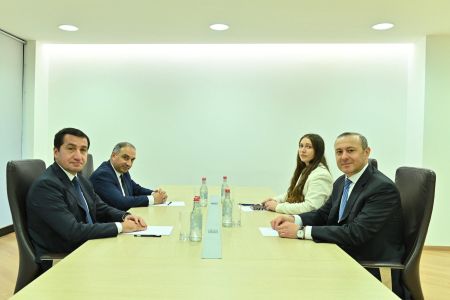 RA Security Council Sec, Assistant to President of Azerbaijan hold negotiations in Dilijan
 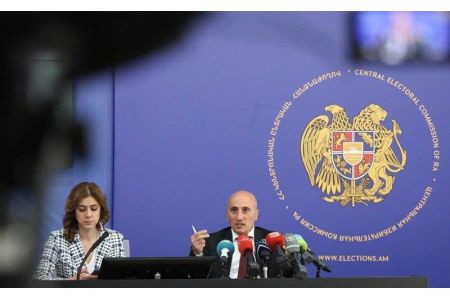 CEC Neutralizes PAP: Three Political Forces to Enter Armenian Parliament Following Election Vote
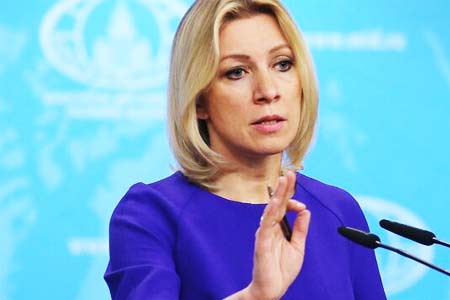 Elections in Armenia were accompanied by unprecedented pressure on opposition, RF MFA spokesperson claims
  Expert: Even OSCE observers recorded numerous violations during elections in Armenia
 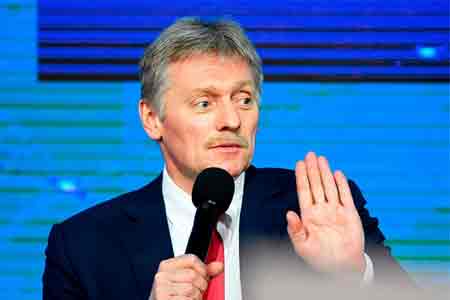 Moscow to await official results of Armenian elections - Peskov
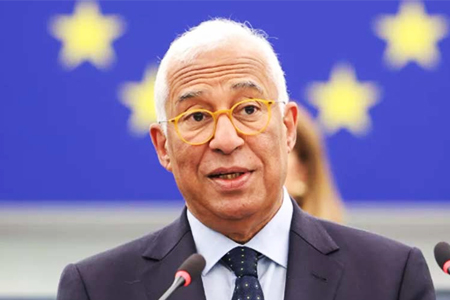 Antonio Costa: EU to deepen its partnership with Armenia, expanding cooperation in energy, trade, and digitalization
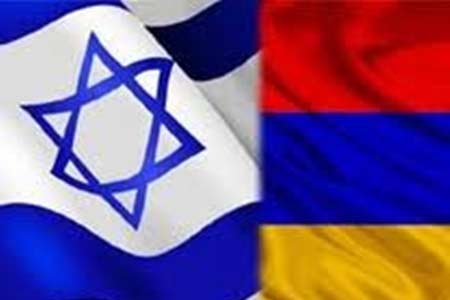 Israeli MFA congratulates Pashinyan
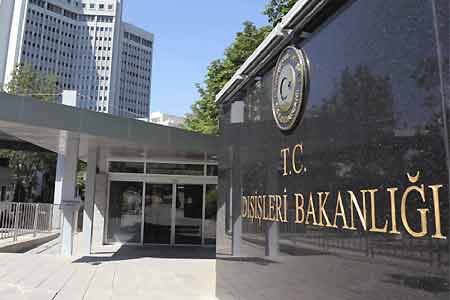 Turkish MFA comments on results of Armenian elections
  Zakharova: International observers cannot ignore `flagrant violations` in Armenian elections
 Strong Armenia to issue statement after vote count completed - Narek Karapetyan
 Russian Senator: Opposition complaints regarding election violations by ruling party remain unanswered
 RA premier receiving congratulations on his victory in parliamentary elections