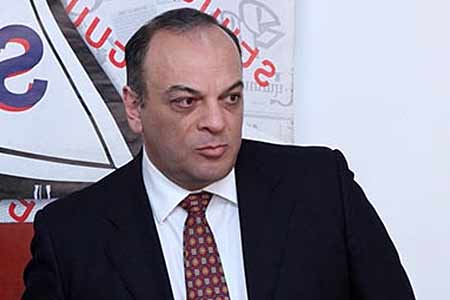
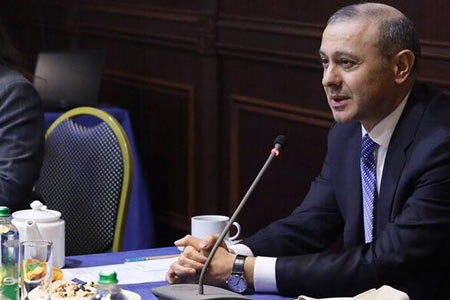
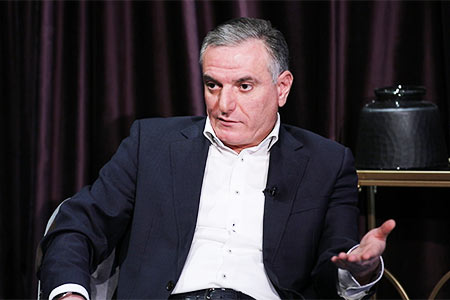
ArmInfo.At this stage, Russia is solving the problem of strengthening its own influence and position in Azerbaijan. And the best way to do this is to defiantly flout the interests of Armenia and the Armenians and protect the interests of Azerbaijan. Ambassador Extraordinary and Plenipotentiary, former Foreign Minister of Artsakh Arman Melikyan expressed a similar opinion to ArmInfo.
"In this light, we should rather consider and analyze the behavior of our Russian allies, for example, Russian Minister Lavrov's recent statement, proceeding, inter alia, from the geopolitical realities in our region. In its actions, Moscow today does not take into account only the interests and expectations of the countries of the South Caucasus. Russian policy is based on an analysis of medium-term and long-term challenges. I can say that this analysis today speaks of serious threats awaiting Russia's interests in the near future n the region, "he remarked.
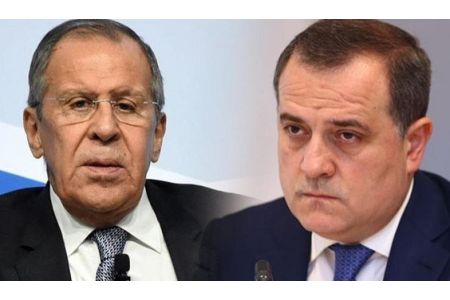
On April 21, Russian Foreign Minister Sergey Lavrov described the document adopted on April 2019 at a meeting of the Foreign Ministers of Russia, Armenia and Azerbaijan in Moscow as the most important step in implementing the UN Security Council resolution on the Karabakh settlement. "These documents suggest progress in a settlement based on a phased approach. I believe that at the first stage there shoul dbe the solution of the most pressing problems, the liberation of a number of areas around Nagorno-Karabakh and the unblocking of transport, economic and other communications, "he said.
Melikyan recalled that the Aliyev family still rules in Azerbaijan, which in the person of Heydar Aliyev came to power with the support of Moscow. The diplomat is sure that the fall of the Aliyev dynasty will mark the beginning of the end of Russian influence in Azerbaijan. This, in turn, threatens Moscow with serious consequences. In this light, he drew the attention of those responsible for the foreign policy of Armenia to this circumstance, emphasizing that, against this background, the remaining issues seemed to be secondary.
"As far as I understand, Moscow is really striving to take the initiative in its own hands in the negotiation process to resolve the Karabakh conflict. And at this stage it has not changed its own approaches in this matter. Baku, in turn, is ready to support its implementation. In this light I have to once again point out that the negotiating position of Yerevan continues to be weak and extremely vulnerable, "he said.
The diplomat considers the main reason for the preservation of such a situation in the negotiation process to be the lack of necessary argumentation by the Armenian negotiators in favor of maintaining the existing territorial integrity of Artsakh. Moreover, starting from the latest impulses around the negotiation process, Melikyan believes that the current Armenian authorities, following the example of their predecessors, obviously refuse to do the "homework" necessary in this direction.
Since 1992, the OSCE Minsk Group, represented by the co-chairs from Russia, the USA and France, has been engaged in the settlement of the Karabakh conflict. Currently, the settlement process is nominally based solely on the "Madrid principles" put forward by the OSCE Minsk Group co-chairs in 2007 in Madrid and the Madrid Principles updated in 2009, which, among other things, envisage the deployment of a peacekeeping contingent in the conflict zone.
















 South Caucasus is entering a new phase of turbulence - ex-official
  Expert: Azerbaijan`s political leadership states `occupation of Armenia is their new national goal`
  Expert: Armenian society falls into security trap of totalitarianism
 Expert: Pashinyan`s visit to Russia creates prerequisites for restoring dialogue, but thaw in relations is more symbolic
 Human rights activist Ruben Melikyan dismissed from YSU
 Pashinyan removed from INNOPROM guest list
 Zakharova: Armenia`s pro-EU pivot poses economic security risks to EAEU member states
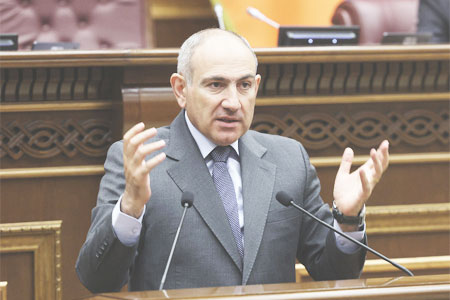 It`s time for South Caucasus countries to think of South Caucasus as single, unified region - RA premier
  Pashinyan: Armenia and Azerbaijan should leave each other alone
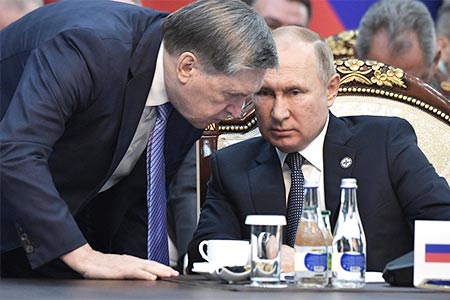 Moscow sees situation with Armenia as attempt to attack Russia-involving integration associations - Russian presidential aid
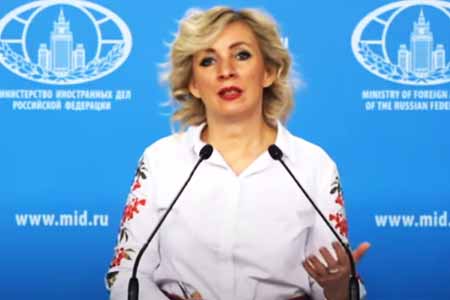 Zakharova: Armenia views relations with Russia as tool for financially securing reorientation toward EU
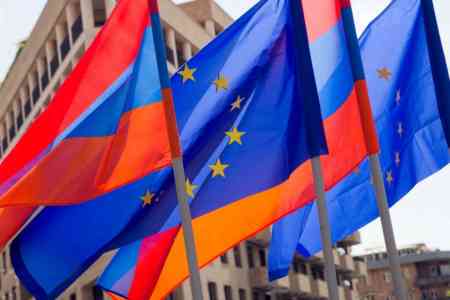 The Armenian Minister of Justice and the EU Ambassador discussed visa liberalization issues for Yerevan.
 Azerbaijan`s aggressive plans against Armenia became possible in wake of Pashinyan`s decisions on Artsakh - expert
  Zakharova: Russia sent a note of protest to Armenia over the act of vandalism at the "Mother Armenia" memorial in Gyumri
 Samvel Karapetyan proposes creating a post-election opposition coalition
 Artsakh`s Cultural Heritage Ombudsman called on Moscow to respond to destruction of WWII monuments by Azerbaijan in occupied NKR
 Prosecutor General`s Office petitions Central Electoral Commission for criminal prosecution of Robert Kocharyan
 Dutch Prime Minister expresses his support for Armenia`s democratic reform and economic diversification agenda
 Heritage: It`s time for Armenia`s opposition to present people with legitimate alternative to power