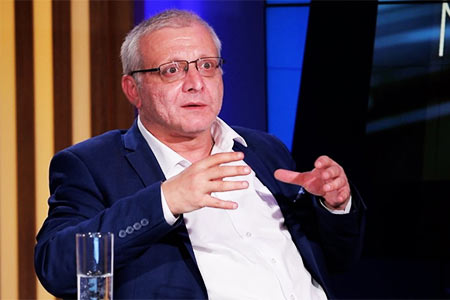
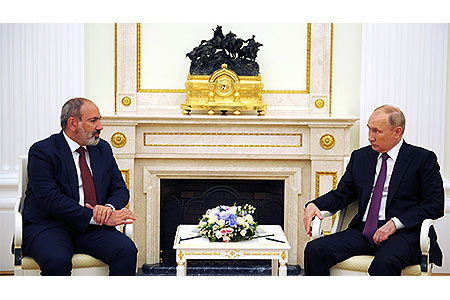
ArmInfo. The model of allied relations between Russia and Armenia has simply collapsed. Political scientist Suren Surenyants stated this at a press conference in Yerevan on September 3, commenting on the meeting between Armenian Prime Minister Nikol Pashinyan and Russian President Vladimir Putin in Bishkek.
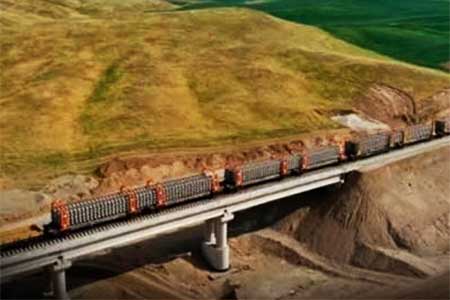
Overall, the expert explained, there is a component of a systemic crisis in these relations. "The only achievement is the agreement to hold a new meeting. Because we see that during the meeting in Bishkek, not a single problem was essentially resolved: export issues, problems related to the railway. Moreover, on the contrary, we saw an institutional contradiction in the issue of positions on the EU and the EAEU. Completely different views," Surenyants noted.
The political scientist then presented the actual situation. "The model of allied relations between the countries has essentially simply collapsed. This is not a conjecture – look at the government's program for 2026-2031, at Pashinyan's statements at the briefing after the parliament session – and everything will become obvious. Moscow understands this perfectly well and is trying to raise the stakes, for example, by tightening the 102nd Russian base withdrawal. Essentially, both countries are now trying to manage the current crisis until a new model of relations is found. Moreover, there is a possibility that this crisis will continue to deepen until the Russian-Ukrainian war ends," Sureniants believes.
Regarding the choice between the EU and the EAEU, the political scientist noted that the Russian president has already demonstrated to the Armenian prime minister how this issue can be resolved. Furthermore, as Sureniants recalled, Putin also warned that the adoption of the law on EU accession is tantamount to announcing withdrawal from the EAEU. "Therefore, it is clear that if the Armenian authorities repeal this law, there will be no need for a referendum or the discussion scheduled for late December. Overall, the adoption of this law has exacerbated the situation. Essentially, with this decision, the Armenian authorities have not moved closer to the EU, but have managed to destroy the economic and security environment in which the country was located. Pashinyan may continue to try to sell Putin something, but this is a case where they say Moscow does not believe in tears. A crisis cannot be situational. And overall, everything is very clear: Armenia must guarantee that it will not change its strategic course. Anything else is pointless," Sureniants concluded.
As a reminder, on January 9, 2025, the Armenian government approved a draft law on the beginning of the process of joining the European Union, proposed by the "Eurakve" civic initiative. The draft was submitted to the Armenian parliament for approval. On March 26, the country's parliament adopted it in its final reading and sent it to the president for signature. The document was signed on April 4 of that year. Moscow stated that Russia had conveyed to Armenia that simultaneous membership in the Eurasian Economic Union and the European Union was impossible. On May 9, 2026, Russian President Vladimir Putin, speaking to journalists, suggested that Armenia decide on its membership in the EU and the EAEU as soon as possible, expressing its readiness to "begin a civilized divorce" if necessary. Yerevan responded by noting that it would leave the EAEU whenever it deemed it necessary. And on May 29, the heads of four of the five EAEU member states adopted a resolution recommending that Armenia hold a referendum on its continued membership in the EAEU. On the same day, the Russian president stated that Armenia could not afford to sit on two chairs and needed to make a choice as soon as possible.
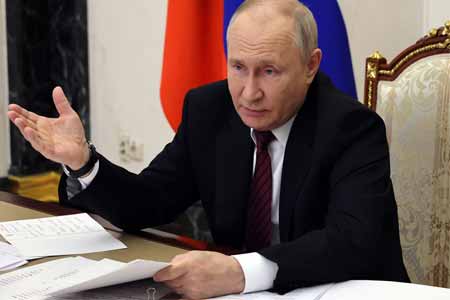
It should be added that on September 2, 2026, in Bishkek, the Russian president declared that Armenia's adoption of the law on joining the European Union would signify its withdrawal from the Eurasian Economic Union (EAEU). He reiterated that the EU and the EAEU have different phytosanitary norms, different technical standards, and, in general, many things that are incompatible, at least for now. He also noted that Armenia receives significant preferential treatment within the EAEU.






 Expert: Fourth Republic is not to begin with Kocharyan`s arrest
 Expert: Armenia continues to `peel away` from Russian-led military-political and economic structures
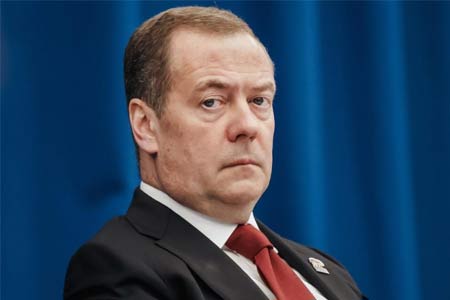 Medvedev: Yerevan will never become an EU member, but it will permanently damage relations with the Eurasian Economic Union, including with Moscow.
 Aram Vardevanyan: Public demands solutions, not apology scandals in Parliament
 Arrested Armenian oligarch on economy and new jobs
  "In Baku, we gave a worthy rebuff to the false claims regarding the past and present of our people" – Former Artsakh Parliament Speaker from Baku captivity
 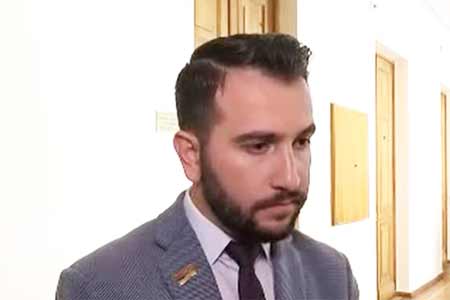 NA Vice Speaker candidate believes his wife`s salary as director of HayPost is the lowest in the company`s history
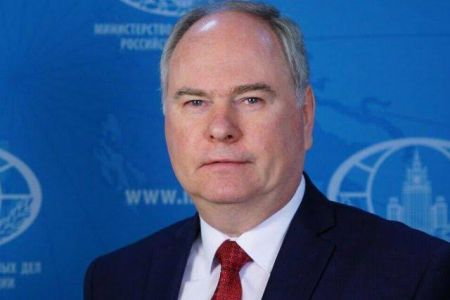 RF Permanent Representative: There is no CSTO-Armenia conflict
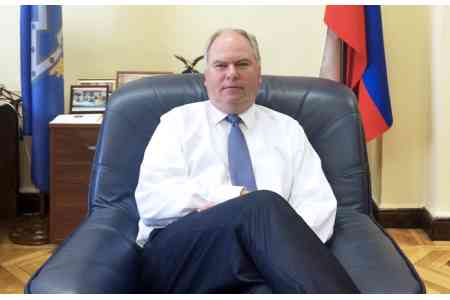 Moscow: NATO seeking to "Pull" Armenia away from CSTO Allies
 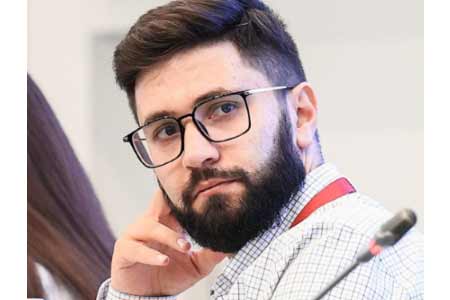 Political analyst: Russia intends to determine which "Camp" Armenia will choose through a referendum
 Narek Karapetyan will give up his parliamentary salary in favor of charitable contributions.
 Armenia and France discuss further development of strategic partnership and EU cooperation
  To overcome risks Armenia must reduce domestic escalation - expert