
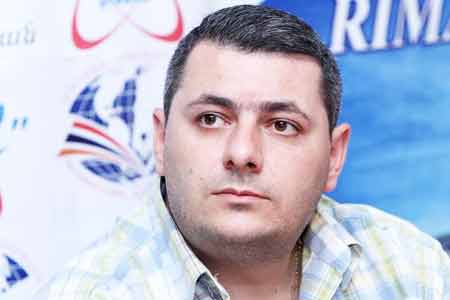
ArmInfo.In the new post-election situation, official Yerevan is now in a position to argue more substantively that the peace process with Azerbaijan should proceed without the precondition of a domestic constitutional referendum.
This assessment was shared on Facebook by Dr. Sergey Minasyan, political scientist and Deputy Director of the Caucasus Institute, as he analyzed the impact of the election results on regional developments.
According to the political analyst, one of the most critical factors is that the ruling "Civil Contract" party lacks the two-thirds parliamentary majority required to initiate constitutional amendments. "This significantly complicates the feasibility of organizing a constitutional referendum. While other mechanisms to initiate a referendum theoretically exist, their political cost could be exceedingly high, and the outcome unpredictable—especially at a time when socio-economic challenges may intensify following Moscow's recent actions," Minasyan clarified.
He noted that while this shift might initially appear to be a major hurdle for Armenian-Azerbaijani negotiations, every political crisis also presents new opportunities. " In this new reality, Yerevan can more justifiably argue that the peace process must advance without the precondition of a referendum. Concurrently, new windows of opportunity are opening to accelerate certain tracks of the Armenia-Turkey normalization process," the Caucasus Institute Deputy Director said.
He suggested that this specific logic may have been reflected in recent post-election contacts between Armenian and Azerbaijani representatives. "The validity of this approach is further supported by our recent discussions with European experts and EU representatives, during which this interpretation of Armenia's new political landscape was assessed as quite realistic and practical," the expert concluded.














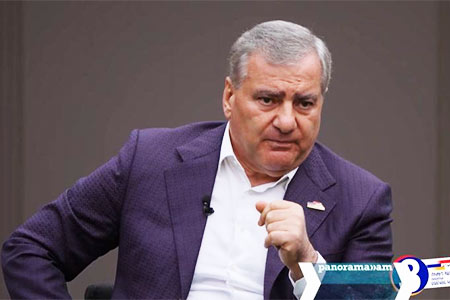
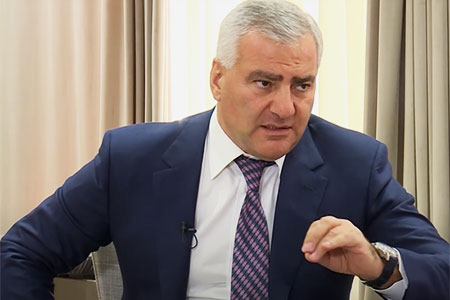




 Analyst: The primary issue with Armenia`s new Parliament Speaker`s speech lies is its one-sided interpretation of the causes of the political crisis
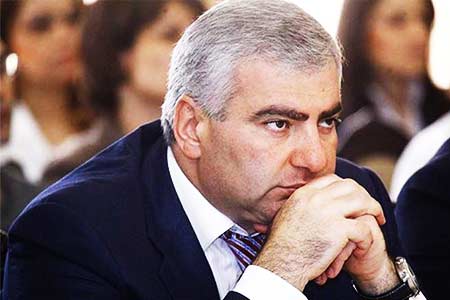
 Expert: Gagik Tsarukyan embodies post-Soviet model of big business-state relations; this model is used in many other post-Soviet countries
 Expert: Azerbaijan promoting aggressive plans against Armenia at state level
 Iranologist: Baku`s propaganda of might masks the country`s inability to provide water to its own population
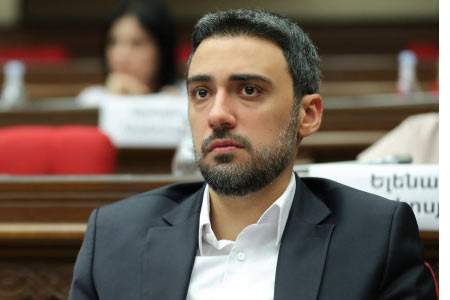
 NA Vice Speaker candidate believes his wife`s salary as director of HayPost is the lowest in the company`s history
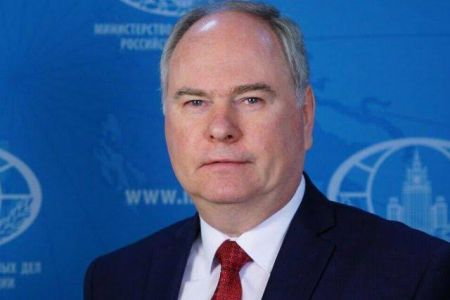 RF Permanent Representative: There is no CSTO-Armenia conflict
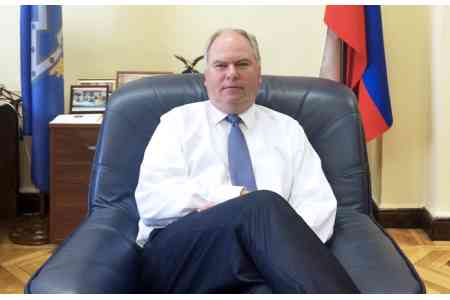 Moscow: NATO seeking to "Pull" Armenia away from CSTO Allies
 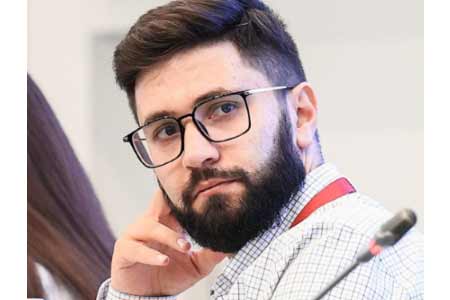 Political analyst: Russia intends to determine which "Camp" Armenia will choose through a referendum
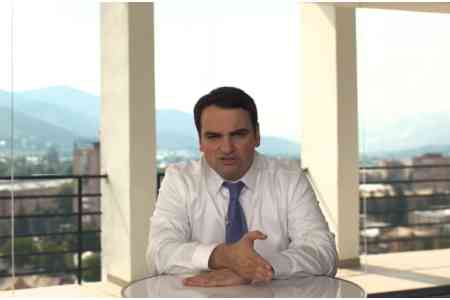 Narek Karapetyan will give up his parliamentary salary in favor of charitable contributions.
 Armenia and France discuss further development of strategic partnership and EU cooperation
  To overcome risks Armenia must reduce domestic escalation - expert
  Zatulin: Pashinyan was eager to get back to Russia because he actually lost the elections
 Human rights activist Ruben Melikyan dismissed from YSU
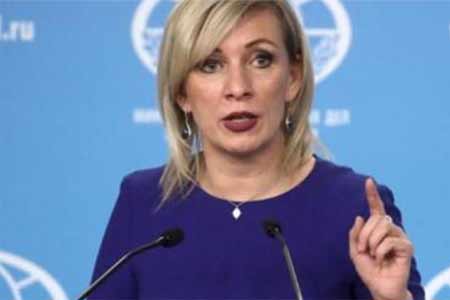 Zakharova: Armenia`s pro-EU pivot poses economic security risks to EAEU member states
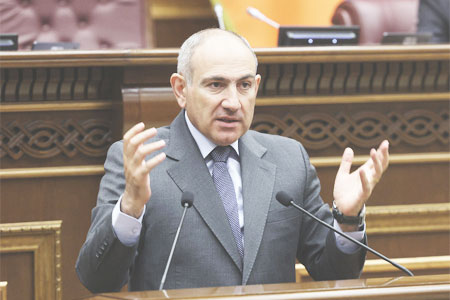 It`s time for South Caucasus countries to think of South Caucasus as single, unified region - RA premier
  Pashinyan: Armenia and Azerbaijan should leave each other alone
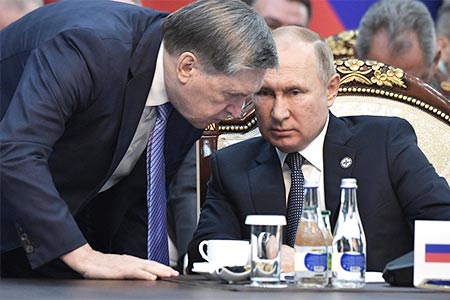 Moscow sees situation with Armenia as attempt to attack Russia-involving integration associations - Russian presidential aid