
ArmInfo.OSCE/ODIHR observers have issued a lengthy statement on the results of the parliamentary elections in Armenia, held on June 7, assuring that Armenian Armenia's voters were offered a genuine choice against a backdrop of direct foreign pressure and uneven campaign opportunities.
"The 7 June 2026 parliamentary elections offered voters a choice among genuine political alternatives in a well-run process, although direct pressure from abroad, in the form of escalating trade restrictions and security threats were observed during the campaign, aimed at unduly influencing voters in favor of the opposition, international observers said in a preliminary statement released today."
This campaign was highly confrontational, with divisive rhetoric, and was marked by criticism of vote- buying and other electoral violations that led to numerous criminal proceedings against opposition candidates and activists, resulting in many opposition supporters refraining from actively engaging in the campaign. This, along with pressure on public sector employees to attend ruling party events, and recently introduced social and economic measures, raised concerns about the equality of opportunity to campaign," the statement says.
"The concentration of arrests and criminal prosecutions against opposition figures contributed to perceptions of selective justice, while a polarized media landscape, inflammatory rhetoric, misinformation, and persistent foreign pressure and interference challenged Armenia's democratic resilience and the integrity of public debate," said Farah Karimi, Special Co-ordinator and leader of the short-term OSCE observer mission. "This underscores the importance of continued efforts to strengthen democratic institutions, safeguard fundamental freedoms, and foster public trust in democratic processes." "The Armenian elections took place in a particularly tense geopolitical context, with direct foreign interference," said Damien Cottier, Head of the delegation of the Parliamentary Assembly of the Council of Europe. "In particular, pressure and threats from Russia authorities reached an unprecedented and worrying level." The process was governed by revised election-related laws and regulations that provide a sound basis for democratic elections. Changes in recent years were mostly introduced through an extensive consultative process and worked to improve the legal framework, but some gaps and ambiguities persist, and a number of previous ODIHR and Council of Europe Venice Commission recommendations remain unaddressed.
"The importance of these elections, combined with polarizing rhetoric throughout the campaign, created a tense atmosphere for both voters and election officials," said Jevrosima Pejovic, Head of the OSCE PA delegation. "Election bodies operated under heightened scrutiny, while voters were exposed to sustained political pressure and intense public debate. Tensions arising from domestic and external factors added to the pressure surrounding these elections and influenced public perception of the quality of electoral administration, highlighting the importance of promoting a constructive political climate and strengthening public confidence in electoral bodies."








 Opinion: The development of the Amulsar mine near the resort town of Jermuk is the beginning of an environmental disaster in Armenia
 Expert: The arrest of opposition figures in Armenia for social media posts is a systematic attempt to intimidate the public and suppress dissent.
 Azerbaijani Studies Expert: While Azerbaijan Prepares Its Generation for War, Aliyev’s Aide Calls on Armenia to Prepare Armenian Society for “Peace”
 Lukashenko called for Armenia to assume the CIS presidency in 2029
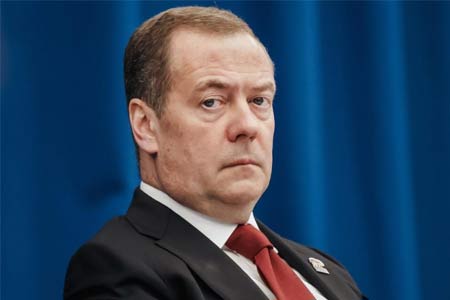 Dmitry Medvedev predicted a Ukrainian-like fate for Armenia amid the country`s shift in foreign policy
 Russian Security Council: In Armenia, they want to force Russian asset owners to dispose of their assets
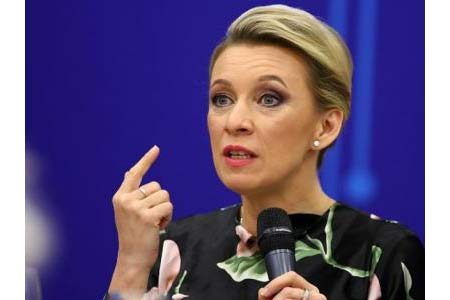 Zakharova: Russia ready to discuss with Armenia the prospects for expanding military cooperation as part of a review of bilateral ties
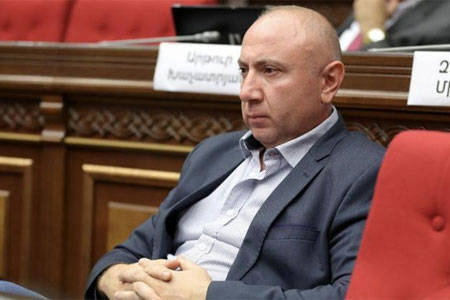 Tevanyan: Armenia, like Ukraine and Moldova, is being drawn into the EU’s global war
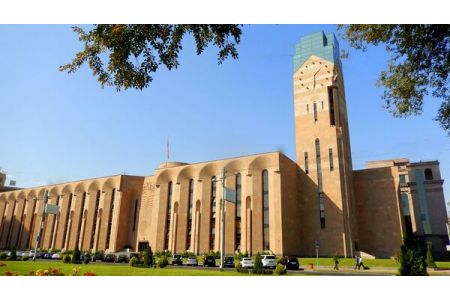 Yerevan City Hall is considering introducing a valet parking system in the city
 Expert: The circus surrounding the “Albanization” of Armenian culture in the presence of foreign ambassadors in occupied Artsakh is genocide
 Political scientist: If Russian-Armenian relations are destroyed, Turkey will take Russia`s place
 Political scientist: The Armenian public is simply obliged to significantly change the entire content of public discourse and struggle
 Cross tattoos are being removed from the skin of Christian prisoners in Azerbaijan by fire, according to a human rights activist.
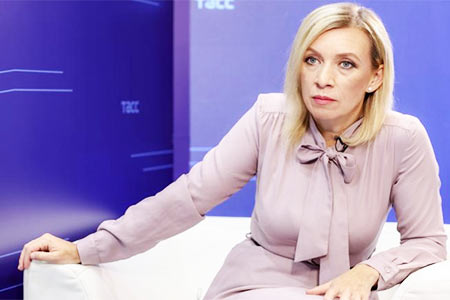 Zakharova: Armenia`s likely introduction of visas with Russia will be a step against Yerevan itself
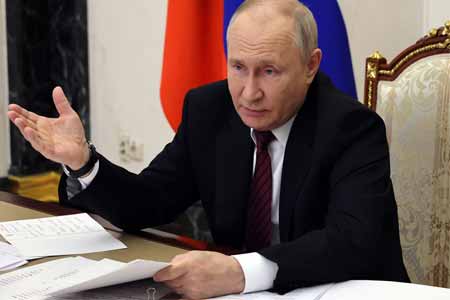 Putin: Armenia`s recognition of Karabakh as part of Azerbaijan in Prague has given Russia`s position on this issue an ambivalent character
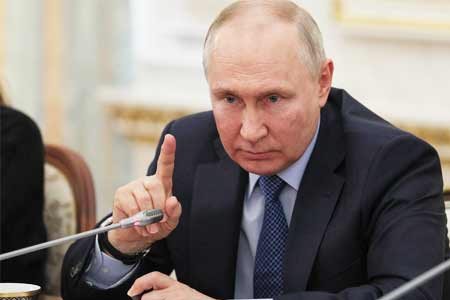 Putin: Armenia`s adoption of the law on EU accession means an announcement of its withdrawal from the Eurasian Economic Union