
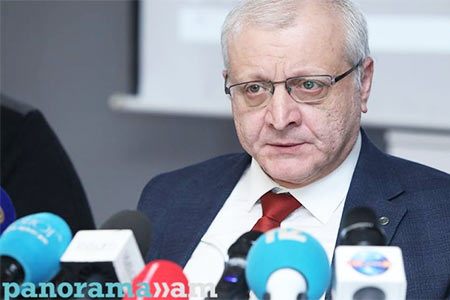
ArmInfo. The relatively high voter turnout indicates that Armenian citizens are actively and consciously participating in shaping the country's future, according to political analyst Suren Surenyants.
He stated that a new political status quo could emerge from the election results. "As of 2:00 PM, voter turnout in the National Assembly elections stood at 847,226, or 33.84%. For comparison, the final turnout for the 2021 parliamentary elections was just 49.4%. Today's dynamics already indicate that Armenian citizens are actively and consciously participating in shaping the future of the country. If this turnout trend persists until the close of voting, the final figure could reach 55–60% or more. Such a turnout carries a clear political message," the analyst noted.
Firstly, he noted, high turnout indicates a clear demand for change and justice within society. Citizens want to influence current processes with their votes and determine the future direction of the country's development. Secondly, the influence of administrative resources has weakened. The higher the voter turnout, the more difficult it becomes to determine the outcome of elections solely through administrative and repressive levers of power. "Under these circumstances, the free and informed expression of citizens' will is crucial, and political competition is becoming more realistic. Thirdly, it is already clear that the electoral struggle is primarily focused around a few major political poles. Given current electoral thresholds, high turnout typically facilitates the concentration of votes among major forces and limits the opportunities of smaller ones. Therefore, a scenario in which a maximum of four influential political forces are represented in the future National Assembly is realistic.
Today, Armenia faces extremely complex challenges: security threats, foreign policy crises, socioeconomic problems, and deep social polarization. Under these circumstances, the country needs not another political monopoly, but a national consensus based on statesmanship and responsible governance. This civic activism obliges all opposition political forces to demonstrate responsibility in order to capitalize on political changes. The country is on the threshold of change or the establishment of a new political status quo. Society demands a new quality of politics and responsible governance," he concluded.






 Expert: The arrest of opposition figures in Armenia for social media posts is a systematic attempt to intimidate the public and suppress dissent.
 Azerbaijani Studies Expert: While Azerbaijan Prepares Its Generation for War, Aliyev’s Aide Calls on Armenia to Prepare Armenian Society for “Peace”
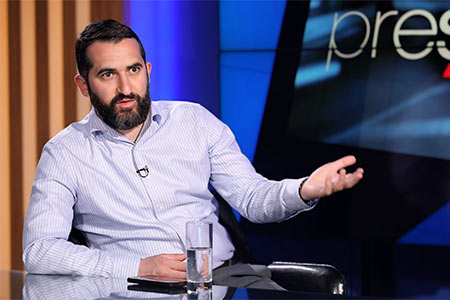 Turkologist: Azerbaijan will never, under any circumstances, stop pressuring the Armenian people
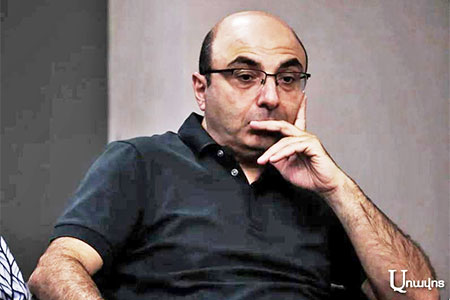 Political scientist: We need to move away from the question of "when" and replace it with more important questions
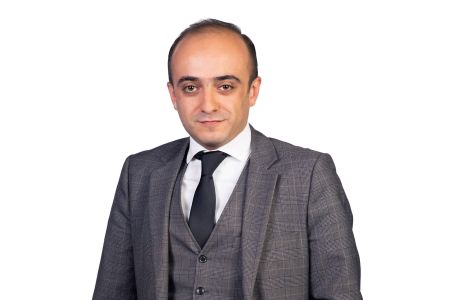 International Law Specialist: Azerbaijan intends to initiate legal proceedings against Armenia by sentencing Armenian prisoners
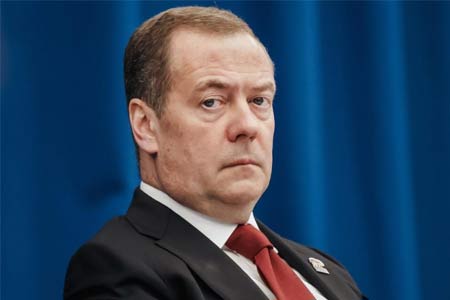 Dmitry Medvedev predicted a Ukrainian-like fate for Armenia amid the country`s shift in foreign policy
 Russian Security Council: In Armenia, they want to force Russian asset owners to dispose of their assets
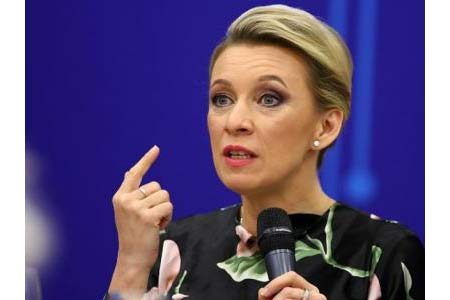 Zakharova: Russia ready to discuss with Armenia the prospects for expanding military cooperation as part of a review of bilateral ties
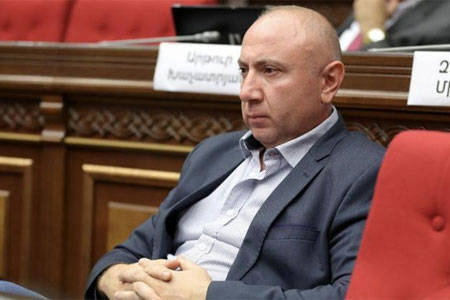 Tevanyan: Armenia, like Ukraine and Moldova, is being drawn into the EU’s global war
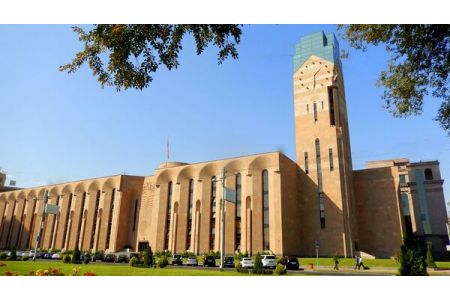 Yerevan City Hall is considering introducing a valet parking system in the city
 Expert: The circus surrounding the “Albanization” of Armenian culture in the presence of foreign ambassadors in occupied Artsakh is genocide
 Political scientist: If Russian-Armenian relations are destroyed, Turkey will take Russia`s place
 Political scientist: The Armenian public is simply obliged to significantly change the entire content of public discourse and struggle
 Cross tattoos are being removed from the skin of Christian prisoners in Azerbaijan by fire, according to a human rights activist.
 Zakharova: Armenia`s likely introduction of visas with Russia will be a step against Yerevan itself
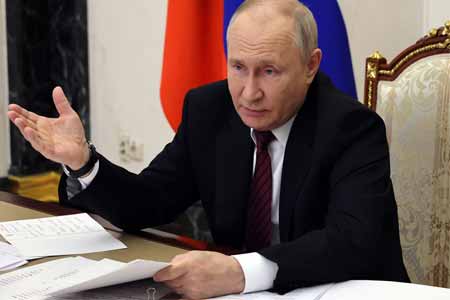 Putin: Armenia`s recognition of Karabakh as part of Azerbaijan in Prague has given Russia`s position on this issue an ambivalent character
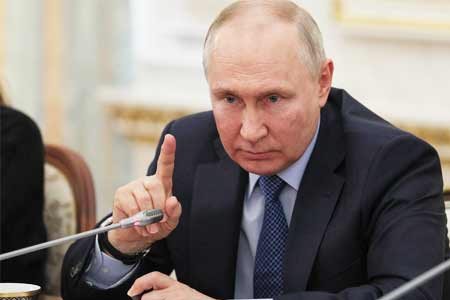 Putin: Armenia`s adoption of the law on EU accession means an announcement of its withdrawal from the Eurasian Economic Union