

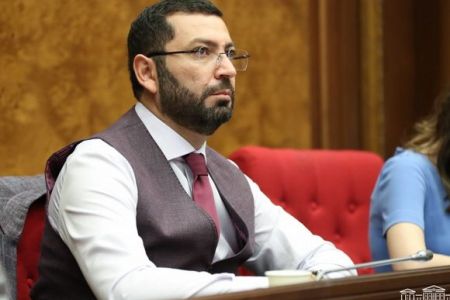
ArmInfo. The Criminal Procedure Code, which entered into force on July 1, 2022, aims to establish an effective procedure for conducting proceedings on alleged crimes, based on guarantees of human rights and freedoms. The amendments to the bill submitted by MP Rustat Bakoyan are currently being discussed in the second reading at the National Assembly.
According to Bakoyan, the document has not undergone any significant changes by the second reading. The draft law addresses two important institutions of criminal procedural law. The first is the motion for the non- initiation or termination a public criminal prosecution, and the second is a strictly new provision: the controlled delivery and procurement under secret investigative actions. Under current regulations, if circumstances arise that preclude criminal prosecution, the investigator submits a motion for the non- initiation or termination of prosecution. Based on this, the prosecutor decides whether to grant or deny the motion. Furthermore, if the preliminary investigation confirms the need to terminate prosecution regarding specific parts of a charge, the investigator submits a motion to the supervising prosecutor for partial termination.
Rustam Bakoyan emphasized that the existing regulations lack clear procedural deadlines, which can create practical issues. A prosecutor might delay a decision indefinitely, causing the public criminal prosecution— and the individual subject to it—to remain in legal limbo for an unjustifiably long period. Although the Prosecutor General of the RA currently directs supervising prosecutors to make a decision within seven days of a motion's submission, this is considered a temporary measure in the absence of codified law. Therefore, the author proposes an amendment to Article 196 of the CPC, requiring the supervising prosecutor to decide on such motions within a seven-day period.
Additionally, the bill defines a specific type of secret investigative action: controlled delivery and purchase. This involves the monitoring of the turnover of goods and services—including their purchase or sale—for the purpose of identifying participants in an alleged crime.






















 Armenian Political Scientist: The approaches, methods, rmphases and content of today’s struggle in Armenia Cannot Remain the Same
 Political scientist: Armenians will live peacefully in their homeland only when they can once again set national goals for themselves, such as Artsakh
 Armenian Historian: People Like Magdalena Grono Should Be Kept Away from the Thresholds of Armenian Shrines
 Azerbaijani studies expert: Armenia’s Foreign Ministry could use the ICC against Aliyev’s Armenophobic statements
 Zakharova: Russia ready to discuss with Armenia the prospects for expanding military cooperation as part of a review of bilateral ties
 Tevanyan: Armenia, like Ukraine and Moldova, is being drawn into the EU’s global war
 Yerevan City Hall is considering introducing a valet parking system in the city
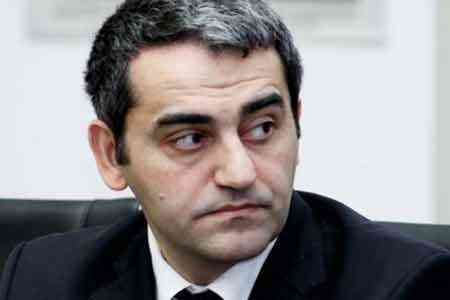 Expert: The circus surrounding the “Albanization” of Armenian culture in the presence of foreign ambassadors in occupied Artsakh is genocide
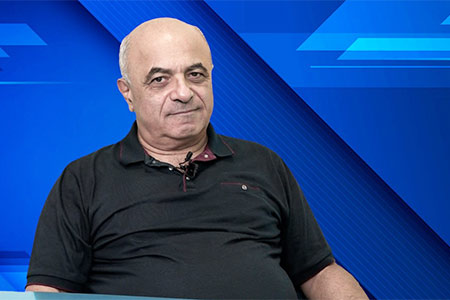 Political scientist: If Russian-Armenian relations are destroyed, Turkey will take Russia`s place
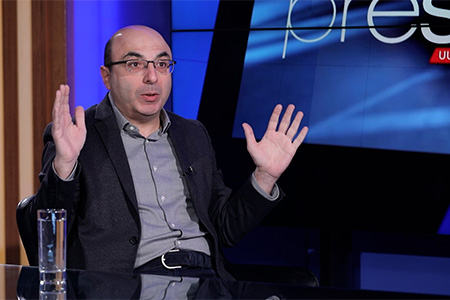 Political scientist: The Armenian public is simply obliged to significantly change the entire content of public discourse and struggle
 Cross tattoos are being removed from the skin of Christian prisoners in Azerbaijan by fire, according to a human rights activist.
 Zakharova: Armenia`s likely introduction of visas with Russia will be a step against Yerevan itself
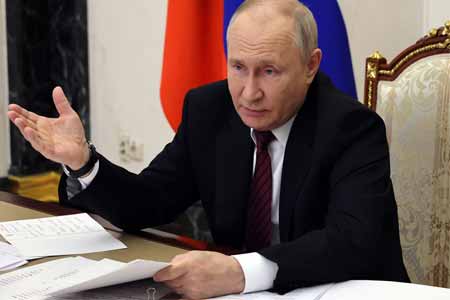 Putin: Armenia`s recognition of Karabakh as part of Azerbaijan in Prague has given Russia`s position on this issue an ambivalent character
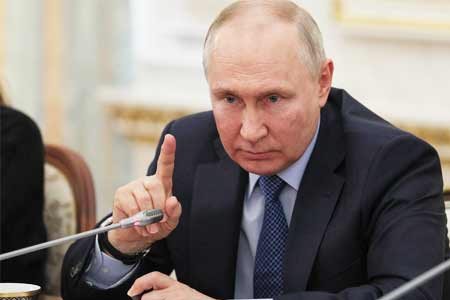 Putin: Armenia`s adoption of the law on EU accession means an announcement of its withdrawal from the Eurasian Economic Union
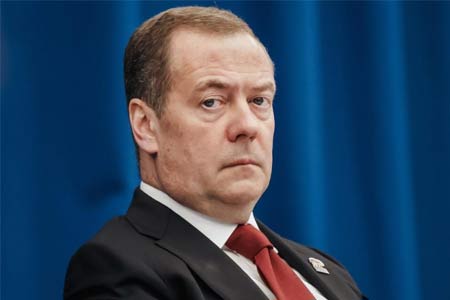 Medvedev: Yerevan will never become an EU member, but it will permanently damage relations with the Eurasian Economic Union, including with Moscow.
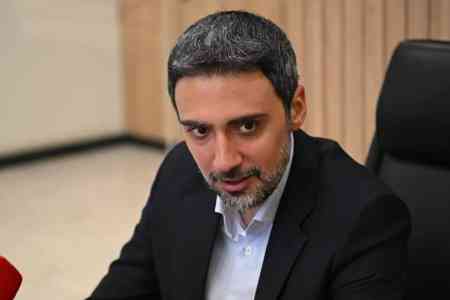 Aram Vardevanyan: Public demands solutions, not apology scandals in Parliament
 Arrested Armenian oligarch on economy and new jobs
  "In Baku, we gave a worthy rebuff to the false claims regarding the past and present of our people" – Former Artsakh Parliament Speaker from Baku captivity