ArmInfo.There's a new status quo in the South Caucasus, and Russia's exclusive influence is being challenged, and perhaps this exclusivity has been lost to some extent.
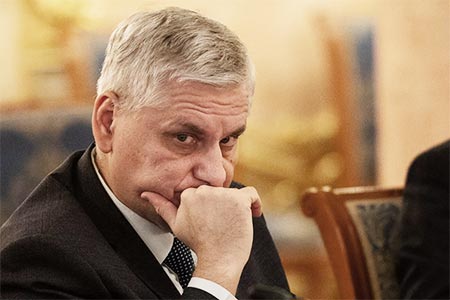
Sergei Markedonov, PhD in History and leading researcher at the Center for Euro-Atlantic Security at the Institute of International Studies at MGIMO University, Russian Ministry of Foreign Affairs, made this statement during a Moscow-Minsk-Yerevan-Tashkent video conference on the topic "Post-Soviet States: Searching for a New Role in a Transforming World."
"We're seeing increased activity from various players and attempts by the Armenian authorities, as they see it, to hedge risks. Perhaps these hedging attempts could be justified by saying it's a national right. However, when you do something, you must understand your options," Markedonov noted. In this vein, he added that at the end of 2022, when Russia was going through challenging times on the Ukrainian front, and Armenia itself was also in a difficult situation, the Armenian leadership considered the Russian Federation a "fading force."
"That's wonderful, but let's see what the reality is. They say Armenia wants to join the EU, but is it really being invited?" the expert noted, adding that the EU doesn't even have a candidacy issue with Armenia, unlike Georgia, Moldova, or Ukraine. "Let's compare Armenia's trade turnover with Russia, Armenia's trade turnover with the Eurasian Economic Union, and Armenia's trade turnover with the EU. We'll see a clear difference in favor of Russia and the EAEU. Therefore, I wouldn't say the Armenian opposition's statements are alarmist at all. They fear that a rupture will lead to extremely negative consequences," Markedonov noted, listing specific examples of the benefits the Armenian economy receives from Russian business activity. "And when they ask what Russia can give Armenia, Russia already does so in the form of large-scale economic, trade, and energy cooperation," Markedonov recalled.
At the same time, the expert highlighted the importance of the respectful attitude of certain Russian officials toward Armenia. According to him, it's necessary not only to remind people of Russia's importance, but also of Russia's own interest in relations with Armenia. "It's important for Russia and Armenia to be pragmatic about their relations. They are different today, and they won't be the same as before. But different doesn't mean hostile. Evolving and reshaping relations doesn't mean becoming adversaries," Markedonov added. He also expressed his belief that it would be more beneficial to keep Armenian-Russian relations discreet at present, to avoid overreacting in the heat of the moment.
Touching on the upcoming electoral processes in Armenia, the Russian expert assured that Russia has no allies there. "People often ask: who is Russia's candidate in Armenia? Armenia is Russia's candidate! Armenia is important to Russia. The people of Armenia will choose their own person, whoever they deem necessary. And this is a much fairer and more correct approach than pointing fingers and saying, 'This is our man.' A much more important approach is one where the relationship is with the country, not with a specific political figure," the expert said.












 Expert: Real peace unattainable until Armenia-Azerbaijan agreement is signed and ratified
 TRIPP`s proximity to Iranian border could slow its implementation - expert
  Who and why is sacrificing RA National Security Service`s reputation? - expert
  Tehran creating security environment in which sustainable shipping in Strait of Hormuz difficult to imagine without its direct participation - expert
  Arrested Armenian oligarch on economy and new jobs
  NA Vice Speaker candidate believes his wife`s salary as director of HayPost is the lowest in the company`s history
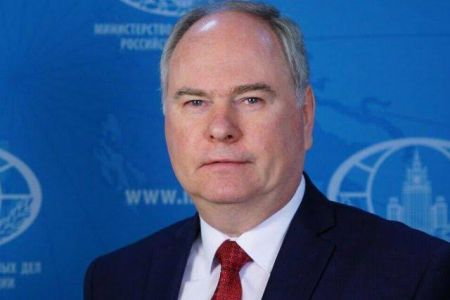 RF Permanent Representative: There is no CSTO-Armenia conflict
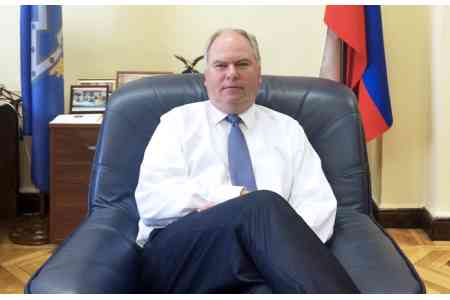 Moscow: NATO seeking to "Pull" Armenia away from CSTO Allies
 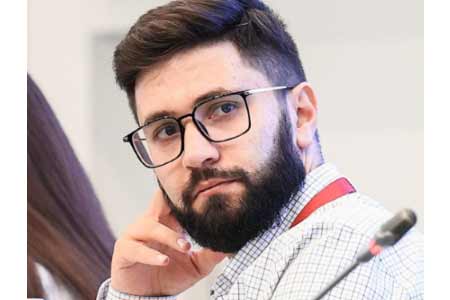 Political analyst: Russia intends to determine which "Camp" Armenia will choose through a referendum
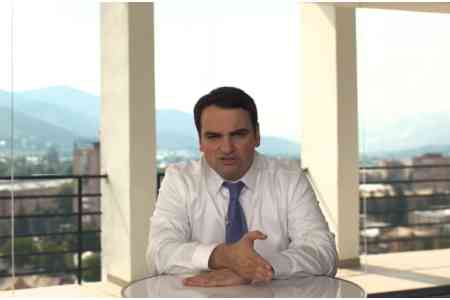 Narek Karapetyan will give up his parliamentary salary in favor of charitable contributions.
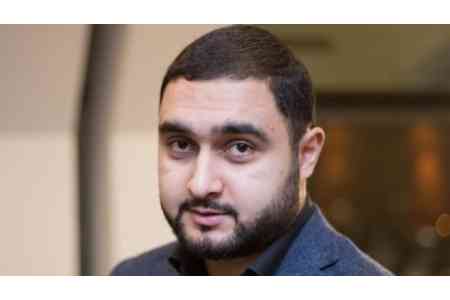 Armenian analyst: Developing relations with Europe and the U.S. must not jeopardize relations with regional powers
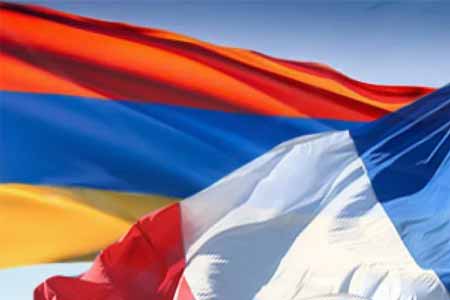 Armenia and France discuss further development of strategic partnership and EU cooperation
 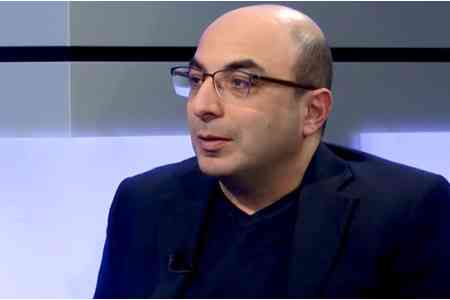 To overcome risks Armenia must reduce domestic escalation - expert
 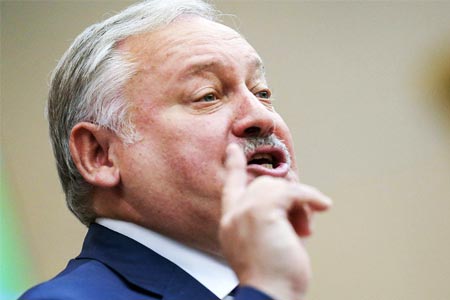 Zatulin: Pashinyan was eager to get back to Russia because he actually lost the elections
 Human rights activist Ruben Melikyan dismissed from YSU
 Pashinyan removed from INNOPROM guest list
 Zakharova: Armenia`s pro-EU pivot poses economic security risks to EAEU member states
 It`s time for South Caucasus countries to think of South Caucasus as single, unified region - RA premier
  Pashinyan: Armenia and Azerbaijan should leave each other alone