
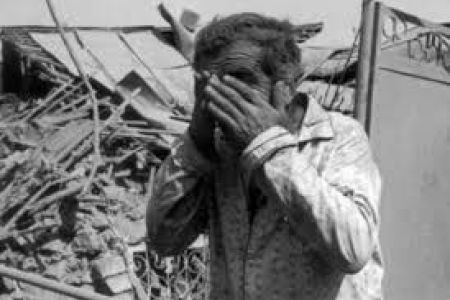
ArmInfo. 34 years have passed since the massacre in the Armenian village of Maragha in the Martakert region of the Republic of Artsakh - an unprecedented war crime committed by Azerbaijan, motivated by hatred towards Armenians, with the aim of exterminating the Armenian population.
On April 10, 1992, after several hours of artillery shelling, Azerbaijani armed units invaded Maragha. A significant portion of the population had been evacuated, but those remaining in the village were subjected to inhumane torture and murder by Azerbaijani soldiers. Artsakh's self-defense forces managed to liberate Maragha, but two weeks later, Azerbaijani forces attacked the village again and committed further crimes against residents who had returned to bury their relatives.
Maragha was captured by Azerbaijani armed forces and remains under Azerbaijani occupation to this day. According to various sources, including reports from Human Rights Watch and Amnesty International, more than 50 civilians, including 30 women, were brutally killed as a result of war crimes committed by Azerbaijani armed forces in Maragha. Another 50 people, including 29 women and 9 children, were taken captive, the fate of 19 of whom remains unknown. According to human rights activist Baroness Caroline Cox, a member and former Deputy Speaker of the British House of Lords who visited the village with a group of organization representatives immediately after the tragedy, the bodies of the brutally murdered residents of Maragha were dismembered, mutilated, and burned. Lady Cox called Maragha "a modern-day Golgotha, only many times worse."
The massacre of the Armenians of Maragha was yet another manifestation of the consistent policy of ethnic cleansing carried out by the Azerbaijani authorities against the Armenian people, first in Sumgait, Baku, and other settlements in Azerbaijan in 1988-1990, and later in Northern Artsakh. The fact that the commander of the Azerbaijani armed forces who committed the massacre in Maragha, Shahin Taliboglu, was awarded the title of National Hero of Azerbaijan is evidence that responsibility for this crime lies entirely with the Azerbaijani authorities. Impunity for Azerbaijan's crimes against Armenians and the lack of an adequate political and legal assessment by the international community have created fertile ground for the entrenchment of a climate of hatred toward Armenians and everything Armenian at the state level in Azerbaijan.
The massacre of civilians in Maragha is a crime against humanity with no statute of limitations and must be condemned by the international community, and its organizers and perpetrators must be justly punished.

















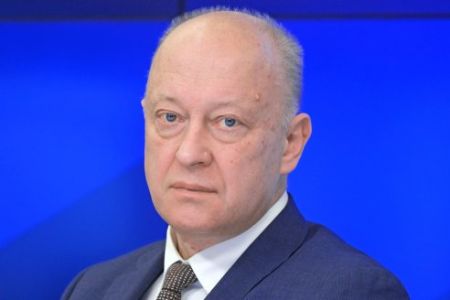 Russian political scientist: Moscow`s reaction to the TRIPP project will largely depend on the trend in Russian-American relations
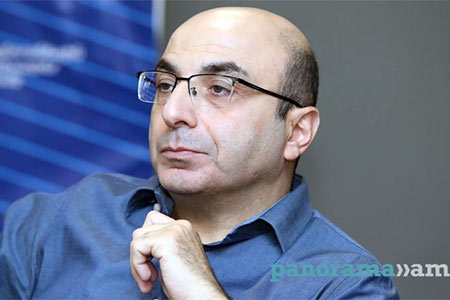 Armenian Political Scientist: The approaches, methods, rmphases and content of today’s struggle in Armenia Cannot Remain the Same
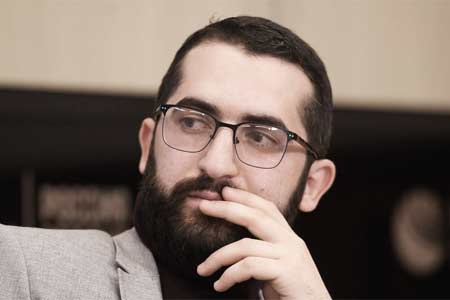 Political scientist: Armenians will live peacefully in their homeland only when they can once again set national goals for themselves, such as Artsakh
 Russian Security Council: In Armenia, they want to force Russian asset owners to dispose of their assets
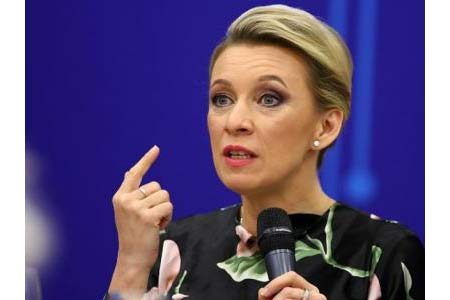 Zakharova: Russia ready to discuss with Armenia the prospects for expanding military cooperation as part of a review of bilateral ties
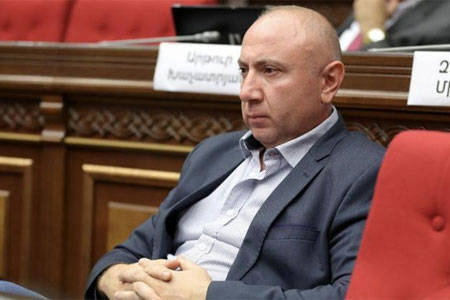 Tevanyan: Armenia, like Ukraine and Moldova, is being drawn into the EU’s global war
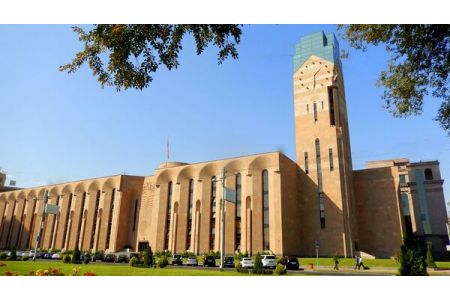 Yerevan City Hall is considering introducing a valet parking system in the city
 Expert: The circus surrounding the “Albanization” of Armenian culture in the presence of foreign ambassadors in occupied Artsakh is genocide
 Political scientist: If Russian-Armenian relations are destroyed, Turkey will take Russia`s place
 Political scientist: The Armenian public is simply obliged to significantly change the entire content of public discourse and struggle
 Cross tattoos are being removed from the skin of Christian prisoners in Azerbaijan by fire, according to a human rights activist.
 Zakharova: Armenia`s likely introduction of visas with Russia will be a step against Yerevan itself
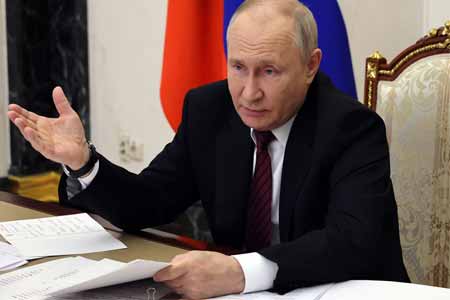 Putin: Armenia`s recognition of Karabakh as part of Azerbaijan in Prague has given Russia`s position on this issue an ambivalent character
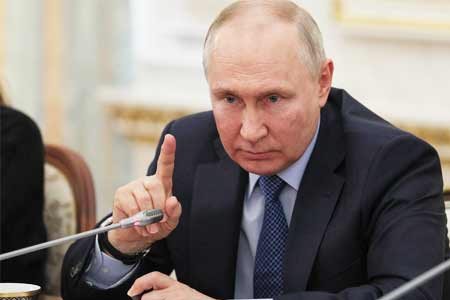 Putin: Armenia`s adoption of the law on EU accession means an announcement of its withdrawal from the Eurasian Economic Union
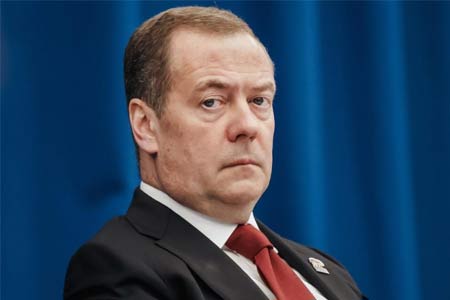 Medvedev: Yerevan will never become an EU member, but it will permanently damage relations with the Eurasian Economic Union, including with Moscow.
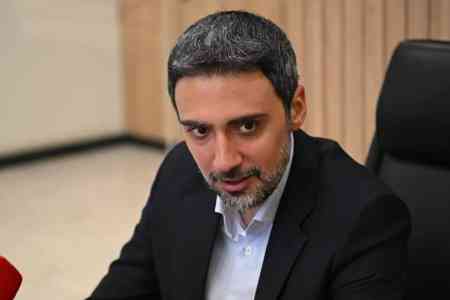 Aram Vardevanyan: Public demands solutions, not apology scandals in Parliament
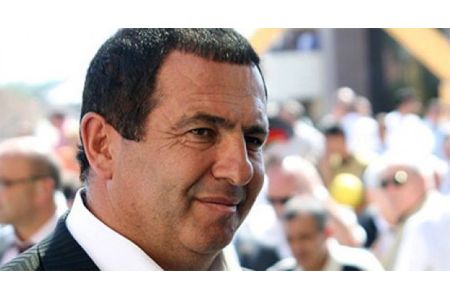 Arrested Armenian oligarch on economy and new jobs
 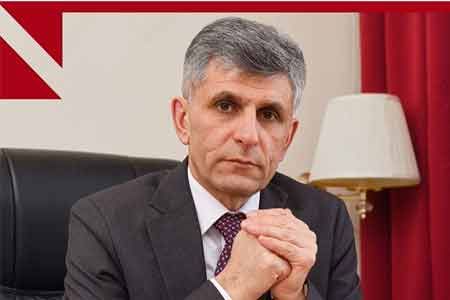 "In Baku, we gave a worthy rebuff to the false claims regarding the past and present of our people" – Former Artsakh Parliament Speaker from Baku captivity