
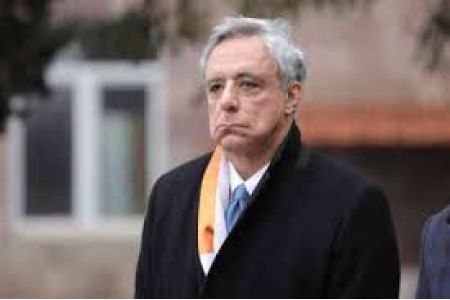
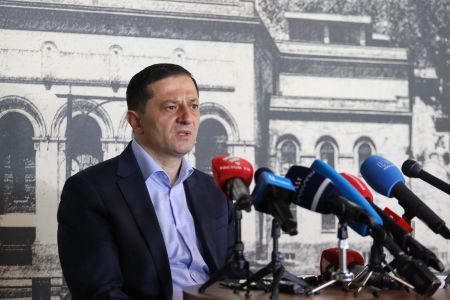
ArmInfo. On March 19, Armenian Prime Minister Nikol Pashinyan once again resorted to his now predictable practice of turning the threat of war not into a question of responsibility, but into a crude political tool. This time, he went further, effectively blackmailing the Armenian people that if he loses the upcoming elections, war will be inevitable.
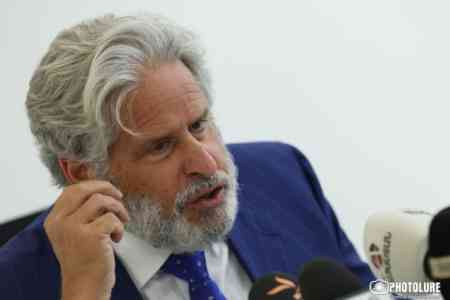
This was stated by former Armenian Foreign Minister Vardan Oskanyan. "One would think that after wars, so many years of failures, losses, and disappointments under Pashinyan, such statements would at least be delivered with some seriousness or restraint. Instead, they sound increasingly desperate, almost mechanical, as if repeating the same thought could restore long-lost trust. Ironically, the more he tries to push this narrative, the more it works against him," the diplomat wrote on his Facebook page.
He is confident that Armenian society does not need to be reminded of the war, as it lived through it, experienced all its bitterness, and paid a high price. Oskanyan believes that every time Pashinyan raises the topic, it does not instill fear of an uncertain future; it resurrects very specific memories of his years in power. "The wars during his reign weren't hypothetical; they were real, devastating, and had serious consequences. So when he talks about war, people can't imagine what might have happened without him; they remember what happened during his reign, and unsurprisingly, this argument sounds increasingly futile. A leader who has failed in foreign and security policy is now trying to present himself as the sole guarantor of peace. This might seem ironic if things weren't so serious," the diplomat added, recalling that it was under Pashinyan that opportunities were missed, warnings ignored, and proposals, such as the 2019 version of the OSCE Minsk Group, were not only rejected but also hidden from the public.
"But perhaps the most disturbing aspect of this rhetoric is not its cynicism, but its utter absurdity. Pashinyan speaks as if he possesses a unique ability to predict the timing of war, as if geopolitical realities are shaped by election results. But reality suggests otherwise. On September 21, 2020, just six days before the start of the 44-day war, he presented his "Armenia 2050" concept in the Matenadaran, full of grandiose ambitions and unrealistic optimism. Not a word, not a hint, not a sign that the country would be on the brink of one of the most devastating wars in modern history. So the question remains: if he couldn't predict a war that would begin in a few days, then on what basis is he now trying to predict a war this fall?" Oskanyan asked.
In his opinion, these constant reminders of war speak more to the incompetence and failures of the person making these statements than to the dangers facing Armenia. The former Armenian Foreign Minister believes that Pashinyan's statements reflect not strategic thinking but political madness, not leadership but improvisation. "And perhaps most tellingly, this approach underestimates the very people he is trying to influence, assuming they will forget or ignore what they have already experienced. This is perhaps the clearest evidence of his detachment from reality," Oskanyan concluded.
The day before, in a conversation with journalists, the Armenian prime minister assured that if the opposition wins the upcoming parliamentary elections, Armenia will face a new war, most likely this fall. He justified his statements by claiming that the opposition would begin to revise the peace his government had established.















 Opinion: Resolving conflict between Yerevan and Baku allows Washington to deprive Russia of key levers of influence in South Caucasus
 Narek Karapetyan will give up his parliamentary salary in favor of charitable contributions.
 Armenia and France discuss further development of strategic partnership and EU cooperation
  To overcome risks Armenia must reduce domestic escalation - expert
  Zatulin: Pashinyan was eager to get back to Russia because he actually lost the elections
 Human rights activist Ruben Melikyan dismissed from YSU
 Pashinyan removed from INNOPROM guest list
 Zakharova: Armenia`s pro-EU pivot poses economic security risks to EAEU member states
 It`s time for South Caucasus countries to think of South Caucasus as single, unified region - RA premier
  Pashinyan: Armenia and Azerbaijan should leave each other alone
 Moscow sees situation with Armenia as attempt to attack Russia-involving integration associations - Russian presidential aid
 Zakharova: Armenia views relations with Russia as tool for financially securing reorientation toward EU
 The Armenian Minister of Justice and the EU Ambassador discussed visa liberalization issues for Yerevan.
 Azerbaijan`s aggressive plans against Armenia became possible in wake of Pashinyan`s decisions on Artsakh - expert
  Zakharova: Russia sent a note of protest to Armenia over the act of vandalism at the "Mother Armenia" memorial in Gyumri