
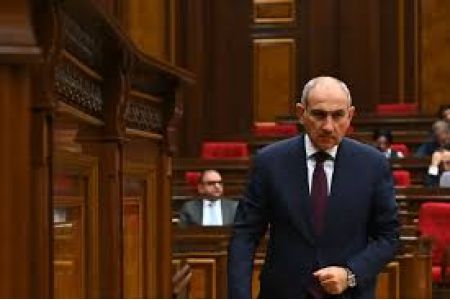
ArmInfo. The Prime Minister of the Republic of Armenia, Nikol Pashinyan, attempted to explain that independence, in reality, means replacing dependence on a few with dependence on many. This narrative is actively promoted within the framework of his "Real Armenia" ideology.
"Let's imagine you have one water supplier, and this one supplier brings you one bottle of water every day. When you have one water supplier, under these conditions, your dependence on them is 100%, and you both know it because you have no other water suppliers," Nikol Pashinyan clarified during a Facebook live broadcast on March 18. According to him, this means that the water supplier has leverage over the consumer, for example, in terms of price. They can dictate a specific price, have other explicit and implicit expectations, and impose certain decisions with delays and delivery postponements.
"There's also the possibility of force majeure: something could simply happen to this water supplier, for objective reasons-for example, they could get sick, have an accident, or end up in prison somewhere-and they won't be able to deliver your water. Thus, this small supplier creates 100% dependence for you. If you have two suppliers, your ability to maneuver in these situations increases by 50%. That is, if one supplier tries to dictate the price, you have the opportunity to negotiate with the second, and you, the first supplier, and the second supplier, are aware of this. Consequently, your degree of independence here increases to a certain extent," the Prime Minister noted. Pashinyan continued explaining that if a person already has three water suppliers in a similar situation, then not only does independence increase, but an additional advantage emerges. While previously one supplier could dectate a higher price, in this case the advantage shifts to the individual, as it becomes possible to negotiate prices with three suppliers. A buyer, if offered an unfavorable price, can reject that supplier and turn to another.
"Therefore, this significantly increases your independence. And with all these parameters, your independence, your ability to conduct a pricing policy, and the reliability of supplies increase. Imagine having four to seven suppliers instead of three. In this case, you can be confident that deliveries will always arrive on time. If someone doesn't arrive on time, you can simply refuse them, and by refusing one, you demonstrate to the others that they will fulfill their obligations properly, on time, and at the most favorable price and quality. This is precisely why independence replaces dependence on a few with dependence on many. When you depend on one person, you are not independent; when you depend on many, then you essentially depend on no one," the Armenian Prime Minister stated.























 Expert: Gagik Tsarukyan embodies post-Soviet model of big business-state relations; this model is used in many other post-Soviet countries
 Expert: Azerbaijan promoting aggressive plans against Armenia at state level
 Iranologist: Baku`s propaganda of might masks the country`s inability to provide water to its own population
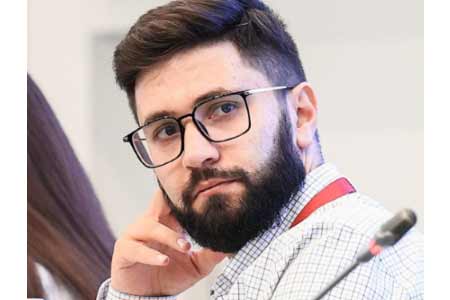 Political analyst: Russia intends to determine which "Camp" Armenia will choose through a referendum
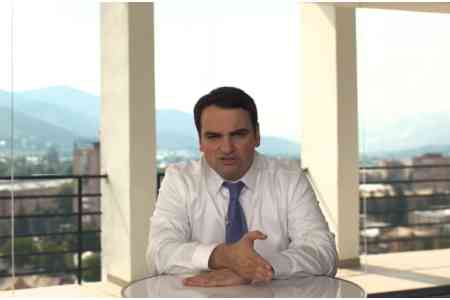 Narek Karapetyan will give up his parliamentary salary in favor of charitable contributions.
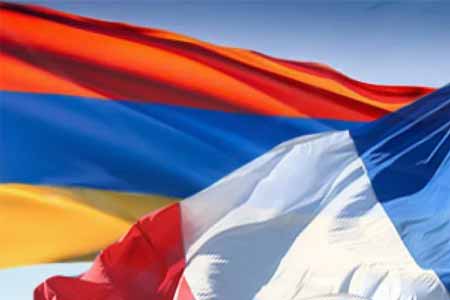 Armenia and France discuss further development of strategic partnership and EU cooperation
 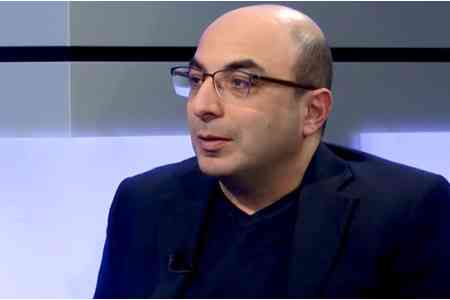 To overcome risks Armenia must reduce domestic escalation - expert
 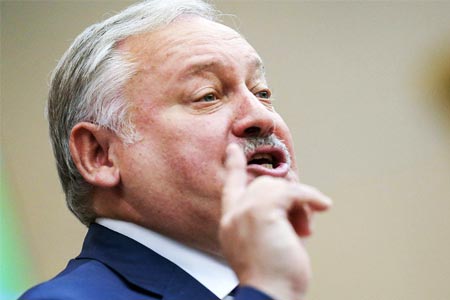 Zatulin: Pashinyan was eager to get back to Russia because he actually lost the elections
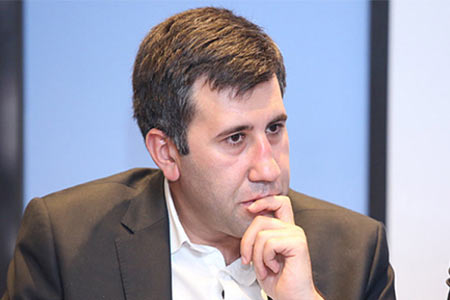 Human rights activist Ruben Melikyan dismissed from YSU
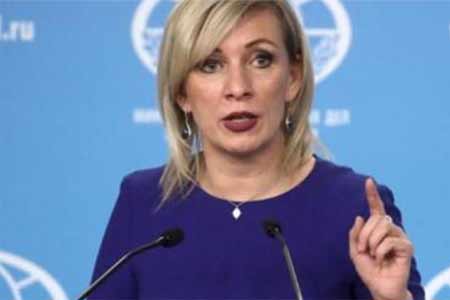 Zakharova: Armenia`s pro-EU pivot poses economic security risks to EAEU member states
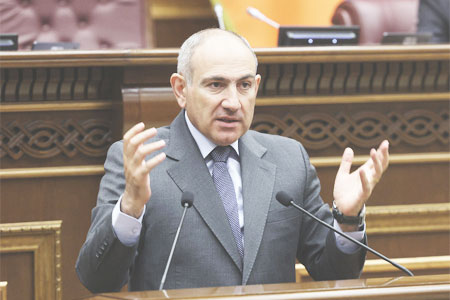 It`s time for South Caucasus countries to think of South Caucasus as single, unified region - RA premier
  Pashinyan: Armenia and Azerbaijan should leave each other alone
 Moscow sees situation with Armenia as attempt to attack Russia-involving integration associations - Russian presidential aid
 Zakharova: Armenia views relations with Russia as tool for financially securing reorientation toward EU