
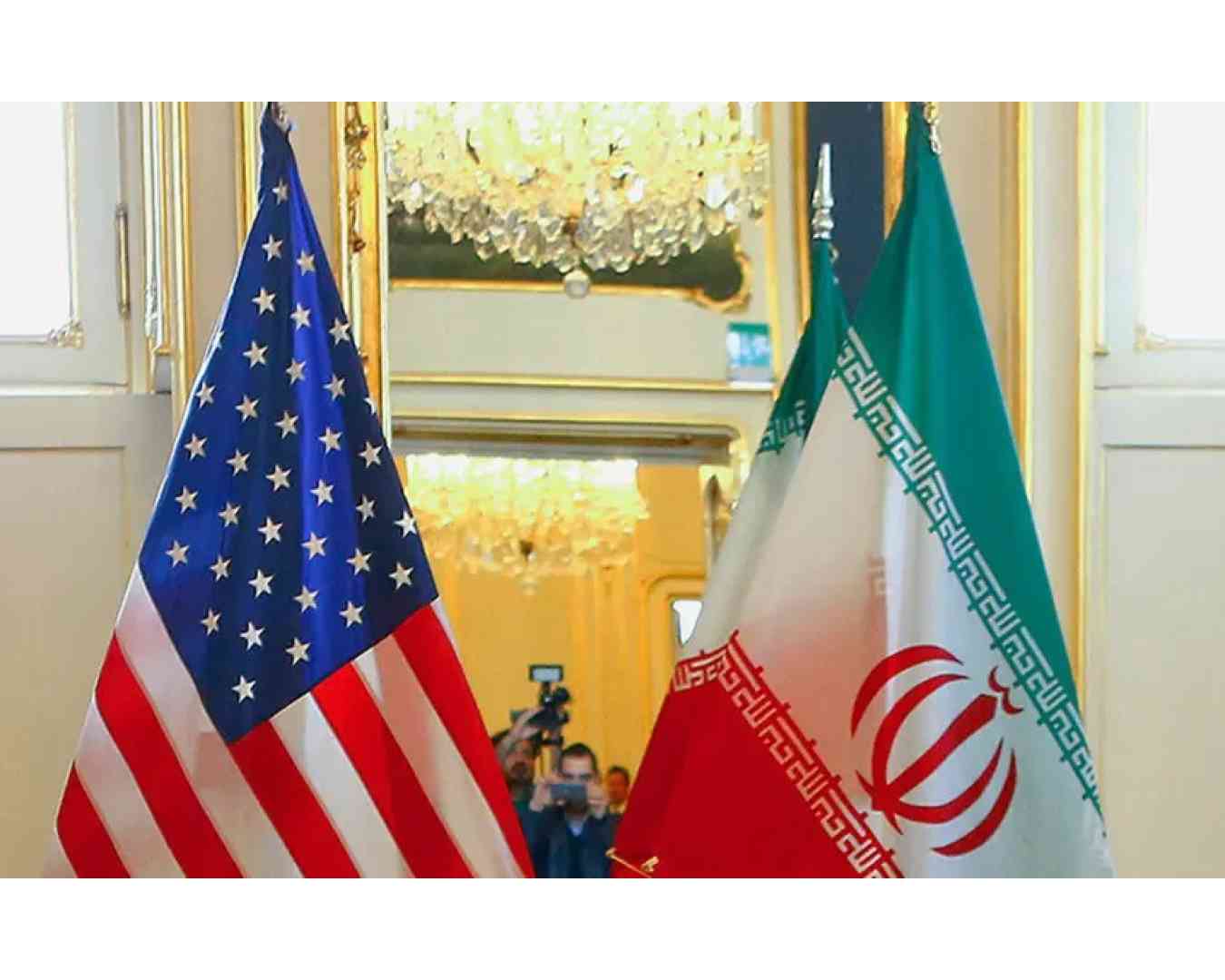
ArmInfo. US and Iranian delegations began talks in the Omani capital of Muscat on Friday, renewing diplomatic efforts amid heightened regional tensions.
As reported by the Fars news agency and Iranian state television, the Iranian delegation is led by Iranian Foreign Minister Abbas Araghchi, while the US delegation is led by US Special Presidential Envoy Steve Witkoff.
This meeting is the first since a months-long pause in the negotiating process, which arose due to the open phase of the Iran-Israel conflict in June 2025. Iran and the US had held five rounds of consultations by that time.
On Thursday, an Iranian source told RIA Novosti that the talks would be indirect, but if successful, the dialogue could become direct.
According to Russian and Iranian media, the talks could focus on a package of proposals previously developed by Moscow, which are said to be acceptable to both Iran and the US.
"These reports have not yet been confirmed by Iranian sources and may differ in some details from the actual proposals. However, from the Iranian perspective, they appear generally acceptable and were apparently agreed upon during Ali Larijani's visit to Moscow," Hamidreza Azizi, an expert on Iranian foreign and security policy and a visiting fellow at the Berlin-based Foundation for Science and Politics (SWP), told DW.
Larijani, the head of Iran's National Security Council, visited Russia on January 30 and held an unscheduled meeting with President Vladimir Putin in the Kremlin. Russia, like other countries, seeks to prevent a war that would destabilize the Middle East and consistently emphasizes that Iran should not possess nuclear weapons, as this is not in its own interests, Azizi said.
He clarifies: "At the same time, Moscow views the current situation as a particularly opportune moment, promising it a triple benefit: firstly, a weakened Iran will be more closely aligned with Russia; "Secondly, Moscow is politically accommodating and assisting US President Trump; thirdly, the Kremlin will try to further marginalize the EU's influence not only on the Iranian issue, but also throughout the Middle East, by portraying European players as politically insignificant."



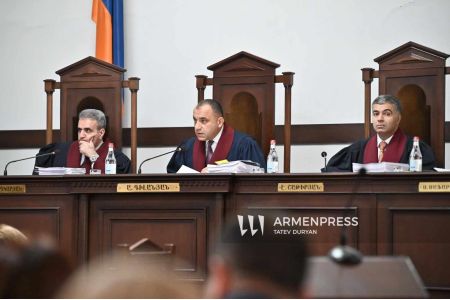






 RA Government guarantees high salaries for CC justices, Syunik families deprived of family benefits - politician
  Armenian experts, leading Turkish think tanks discuss prospects for expanding cooperation
  Political Scientist: As long as the opposition remains silent, Pashinyan can use Plan B and secure a constitutional majority
 Zakharova: Armenia`s pro-EU pivot poses economic security risks to EAEU member states
 It`s time for South Caucasus countries to think of South Caucasus as single, unified region - RA premier
  Pashinyan: Armenia and Azerbaijan should leave each other alone
 Moscow sees situation with Armenia as attempt to attack Russia-involving integration associations - Russian presidential aid
 Zakharova: Armenia views relations with Russia as tool for financially securing reorientation toward EU
 The Armenian Minister of Justice and the EU Ambassador discussed visa liberalization issues for Yerevan.
 Azerbaijan`s aggressive plans against Armenia became possible in wake of Pashinyan`s decisions on Artsakh - expert
  Zakharova: Russia sent a note of protest to Armenia over the act of vandalism at the "Mother Armenia" memorial in Gyumri
 Samvel Karapetyan proposes creating a post-election opposition coalition
 Artsakh`s Cultural Heritage Ombudsman called on Moscow to respond to destruction of WWII monuments by Azerbaijan in occupied NKR
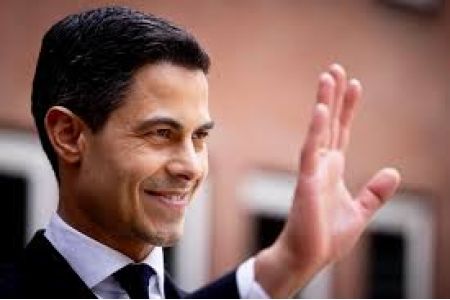 Dutch Prime Minister expresses his support for Armenia`s democratic reform and economic diversification agenda
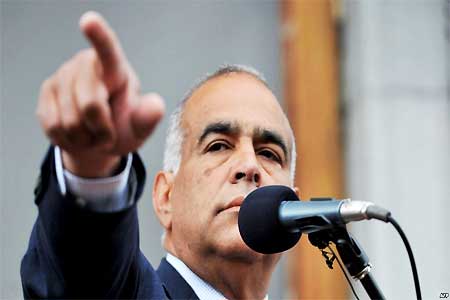 Heritage: It`s time for Armenia`s opposition to present people with legitimate alternative to power
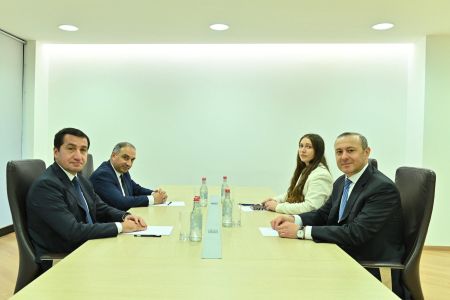 RA Security Council Sec, Assistant to President of Azerbaijan hold negotiations in Dilijan