
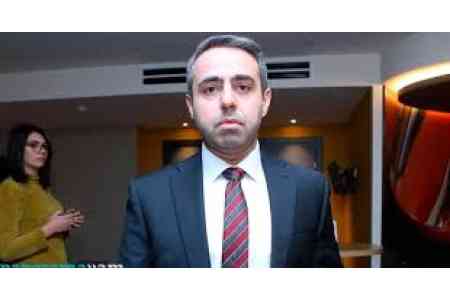
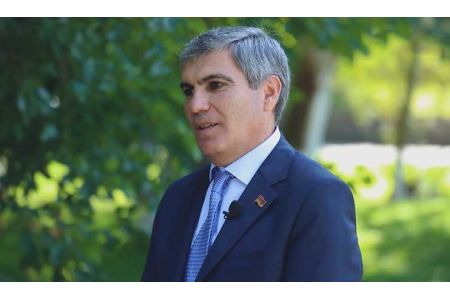
ArmInfo. Issues concerning relations between the Church and the clergy are beyond the state's control and judicial interference under both Armenian constitutional law and the precedents of the European Court of Human Rights (ECHR), according to Dr. Professor Artur Ghambaryan, professor of law. Writing on his Facebook page, he addressed what he characterized as an " anti-church campaign" currently being waged by the Armenian authorities.
The professor noted that a clear trend toward "Americanization" has been observed in Armenia recently and emphasized that as Armenia is truly moving in this direction, then the government, while waging a campaign against the Armenian Apostolic Church (AAC) and exploiting disenfranchised bishops and judges who accept their claims, must respect the constitutional principles regarding religious autonomy established by high courts in the United States and Europe. He highlighted the "ministerial exception" doctrine, citing landmark U.S. Supreme Court cases such as Serbian Orthodox Diocese v. Milivojevich (1976) and Hosanna-Tabor Evangelical Lutheran Church & School v. EEOC (2012). In these rulings, the courts established that the state cannot interfere in the internal governance of religious organizations, including doctrinal disputes or the appointment and dismissal of clergy.
"Even if such decisions appear arbitrary or contain procedural errors, the resolution of these disputes falls under the exclusive jurisdiction of the internal tribunals of these organizations," Ghambaryan noted. He emphasized that religious groups have a constitutional right to choose their spiritual leaders without state intervention, a protection that balances anti-discrimination laws with religious freedom. In that same case, the professor recalled, the Supreme Court formally recognized the "clergy exception" doctrine, which prohibits the application of discrimination laws to religious organizations in matters of appointment, retention, or dismissal of their clergy. "That is, churches have a constitutional right to independently choose their spiritual leaders without government interference," he clarified.
Furthermore, Ghambaryan presented findings from empirical research conducted by his students, which concluded that the relationship between the Armenian Apostolic Church and its clergy does not constitute a standard employment relationship. He pointed out that no formal labor contracts are signed, and clergy do not receive salaries governed by the Labor Code of Armenia. "While the state recognizes the service of clergy as seniority for pension purposes, this arrangement sits entirely outside the framework of labor law," Ghambaryan concluded.





























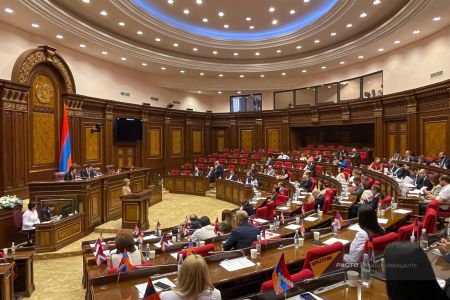



 Expert: Current process is not about peace, but implementing Azerbaijan`s wishlist
 Expert: Real peace unattainable until Armenia-Azerbaijan agreement is signed and ratified
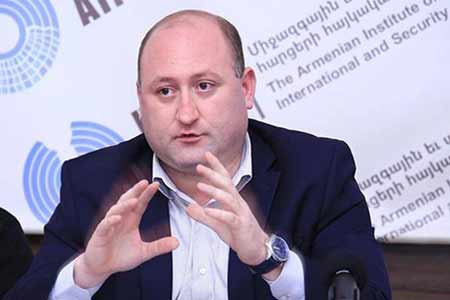 TRIPP`s proximity to Iranian border could slow its implementation - expert
  Who and why is sacrificing RA National Security Service`s reputation? - expert
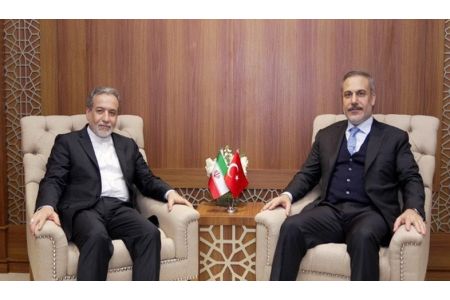
 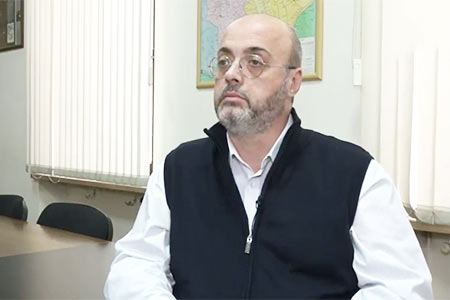 Tehran creating security environment in which sustainable shipping in Strait of Hormuz difficult to imagine without its direct participation - expert
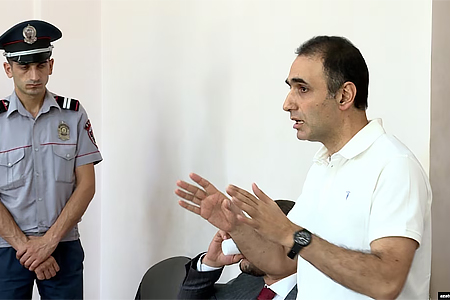
 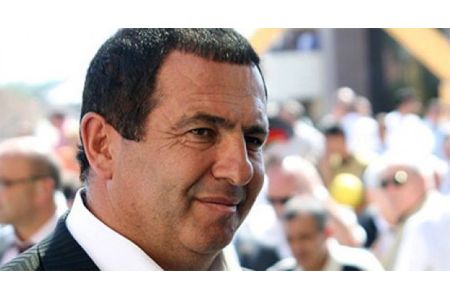 Arrested Armenian oligarch on economy and new jobs
 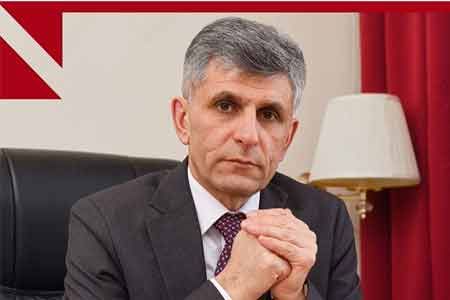 "In Baku, we gave a worthy rebuff to the false claims regarding the past and present of our people" – Former Artsakh Parliament Speaker from Baku captivity
 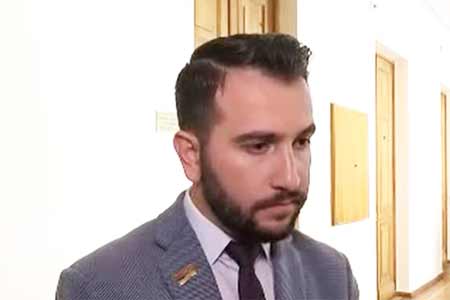 NA Vice Speaker candidate believes his wife`s salary as director of HayPost is the lowest in the company`s history
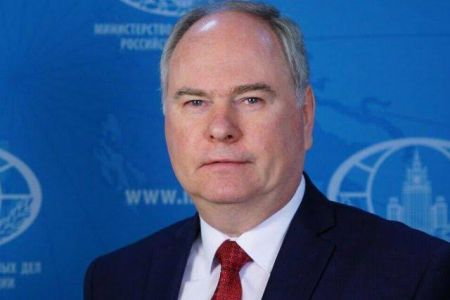 RF Permanent Representative: There is no CSTO-Armenia conflict
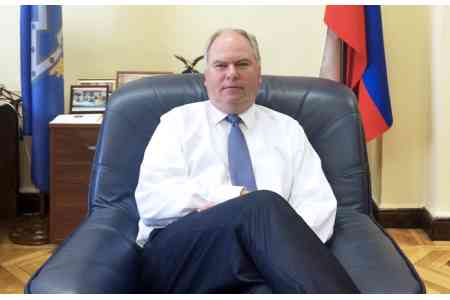 Moscow: NATO seeking to "Pull" Armenia away from CSTO Allies
  Political analyst: Russia intends to determine which "Camp" Armenia will choose through a referendum
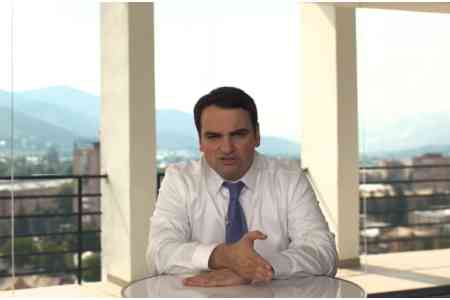 Narek Karapetyan will give up his parliamentary salary in favor of charitable contributions.
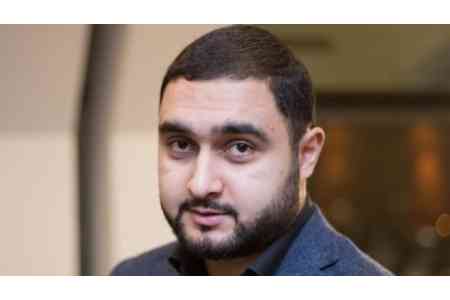 Armenian analyst: Developing relations with Europe and the U.S. must not jeopardize relations with regional powers
 Armenia and France discuss further development of strategic partnership and EU cooperation
 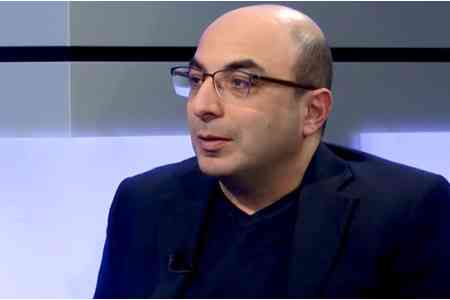 To overcome risks Armenia must reduce domestic escalation - expert
 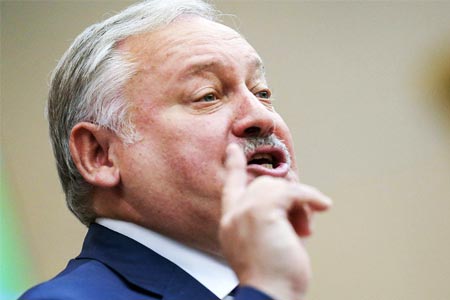 Zatulin: Pashinyan was eager to get back to Russia because he actually lost the elections
 Human rights activist Ruben Melikyan dismissed from YSU
 Pashinyan removed from INNOPROM guest list
 Zakharova: Armenia`s pro-EU pivot poses economic security risks to EAEU member states