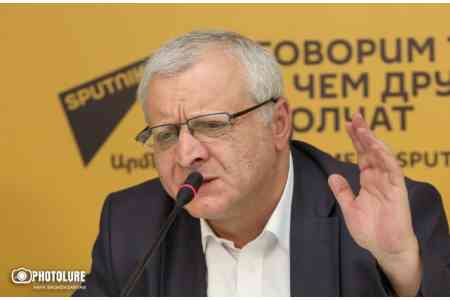
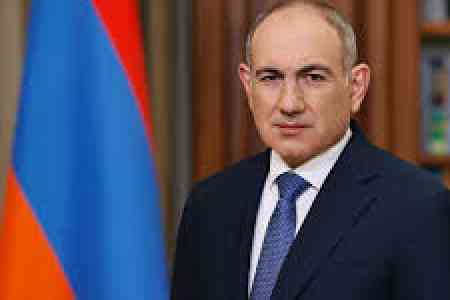
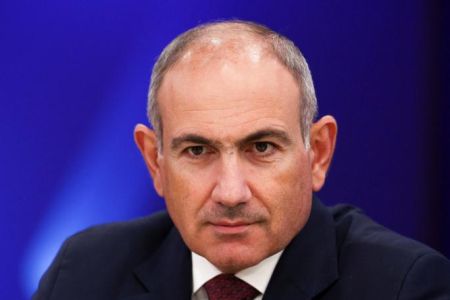
ArmInfo.With his statement made in the courtyard of the Catholic Church of the Holy Mother of God, RA Prime Minister Nikol Pashinyan effectively crossed the line clearly defined by the Constitution of the Republic of Armenia between a secular state and a religious institution. Political scientist Suren Surenyants wrote about this on his Facebook page.
"The phrase 'Church and state are now together' is not an emotional or symbolic expression, but a statement with a clear political content that calls into question the fundamental principle of the secular state. A secular state does not imply a position against the church, but rather the institutional neutrality of state power and the exclusion of interference in the internal life, governance, and ritual order of the church. This principle is violated from the moment the head of the executive branch publicly calls on believers to interfere with religious services, influence the behavior of the clergy, and make demands within the church environment stemming from a political agenda. In this case, we are not talking about expressing a political opinion, but about the state's attempt to directly influence a religious institution," the political scientist notes.
According to him, the legal component of the statement raises more concerns. The call for organized influence on church rites crosses the line of legal permissibility and enters into an area that, according to the Criminal Code, is considered obstructing the activities of a religious organization or the performance of its rites. This call, especially coming from a high-ranking government official, sets a dangerous precedent because it legitimizes problematic behavior.
"Another manifestation of political irresponsibility is Pashinyan's assertion that the Armenian Apostolic Church is 'being used as leverage against the Republic of Armenia.' Without citing a specific country, fact, or evidence, such a statement fails to meet the minimum standards for a statesman. A head of state cannot use the language of assumptions and anonymous accusations, especially when addressing a fundamental national institution," Sureniants believes.
He noted that the foreign policy context of this statement is also obvious. The authorities are attempting to present their anti-church stance to European Union political circles as a "fight against hybrid threats," spreading the false narrative that the Armenian Apostolic Church is an instrument of influence for external powers, particularly Russia. "This thesis, regularly repeated in speeches by various representatives of the country's ruling Civil Contract party, is not only unfounded but also dangerous from the standpoint of state interests, as the discrediting of national institutions cannot be offset by foreign policy assurances. Thus, we are dealing with a systemic political line aimed at involving the church in the executive branch's political agenda and subjecting it to state control. This is a blow to the Constitution, the autonomy of the church, public solidarity, and the institutional authority of the state. This issue ceases to be a matter of political debate and becomes a fundamental matter of protecting the constitutional order," the RA Prime Minister emphasized.













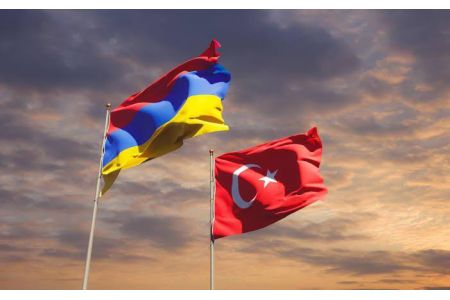 Armenian experts, leading Turkish think tanks discuss prospects for expanding cooperation
  Political Scientist: As long as the opposition remains silent, Pashinyan can use Plan B and secure a constitutional majority
 US-Iranian memorandum more beneficial for Iran from political and economic perspective - expert
  Political analyst: While Pashinyan pledges peace with Azerbaijan, Baku continues promoting the "Western Azerbaijan" project
 Zakharova: Armenia`s pro-EU pivot poses economic security risks to EAEU member states
 It`s time for South Caucasus countries to think of South Caucasus as single, unified region - RA premier
  Pashinyan: Armenia and Azerbaijan should leave each other alone
 Moscow sees situation with Armenia as attempt to attack Russia-involving integration associations - Russian presidential aid
 Zakharova: Armenia views relations with Russia as tool for financially securing reorientation toward EU
 The Armenian Minister of Justice and the EU Ambassador discussed visa liberalization issues for Yerevan.
 Azerbaijan`s aggressive plans against Armenia became possible in wake of Pashinyan`s decisions on Artsakh - expert
  Zakharova: Russia sent a note of protest to Armenia over the act of vandalism at the "Mother Armenia" memorial in Gyumri
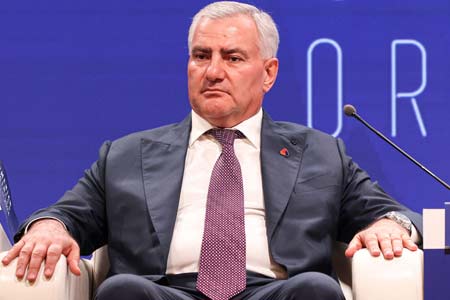 Samvel Karapetyan proposes creating a post-election opposition coalition
 Artsakh`s Cultural Heritage Ombudsman called on Moscow to respond to destruction of WWII monuments by Azerbaijan in occupied NKR
 Prosecutor General`s Office petitions Central Electoral Commission for criminal prosecution of Robert Kocharyan
 Dutch Prime Minister expresses his support for Armenia`s democratic reform and economic diversification agenda
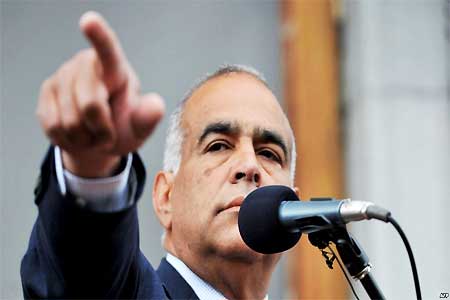 Heritage: It`s time for Armenia`s opposition to present people with legitimate alternative to power
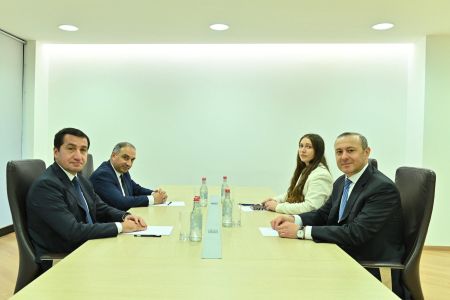 RA Security Council Sec, Assistant to President of Azerbaijan hold negotiations in Dilijan
 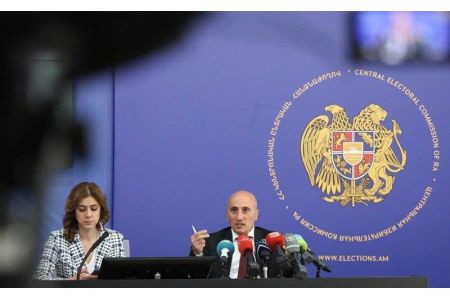 CEC Neutralizes PAP: Three Political Forces to Enter Armenian Parliament Following Election Vote