

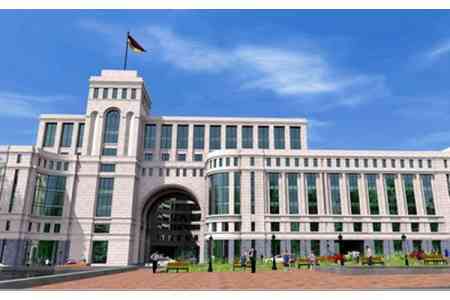
ArmInfo. The Strategic Agenda for the EU-Armenia Partnership is a significant step forward in the relationship between the two parties. It builds upon the foundation of the CEPA, setting ambitious priorities across a wide range of sectors. The Agenda is an expression of shared values and mutual interests, and a testament to the EU's and Armenia's commitment to deepen cooperation in all areas, as noted in a statement issued by the Armenian Foreign Ministry.
The statement reads as follows: "The Strategic Agenda for the EU-Armenia Partnership is also a reflection of the European aspirations of the Armenian people and the EU's commitment to supporting Armenia's democratic development, sovereignty, territorial integrity, and socio-economic resilience. The EU commends Armenia's commitment to European values and its desire to deepen its integration with the European family. The EU-Armenia partnership is at a pivotal moment. The Strategic Agenda for the EU-Armenia Partnership lays out our shared vision of the future, one that reflects a shared commitment to fostering stability, prosperity, and peace in the region and holds the promise of tangible benefits. By working together, the EU and Armenia can achieve the ambitious goals set out in this Agenda, creating a more prosperous and secure future for all.
The EU commends Armenia's commitment to democracy, the rule of law and human rights and tangible progress in this regard, recognising the highly challenging regional situation Armenia is currently facing. It commends Armenia's commitment to ensuring it has democratic institutions that function properly, with the CEPA as a blueprint for reforms to modernise the country. The EU will help Armenia achieve the objectives and implement the priorities set out in the Strategic Agenda for the EU-Armenia Partnership. It will do so by using all available sources of EU support, as well as expertise and advice, best practice, information sharing, support for capacity building, institutional strengthening and assistance instruments.
Crucial priorities are socio-economic development, trade diversification, sustainability and building resilience, addressing the geopolitical and regional challenges as well as targeted hybrid and other threats. The Visa Liberalisation Dialogue also remains a key shared priority for both sides. This process is designed to assist Armenia in eventually securing visa-free travel for its citizens for short stays in the EU and the Schengen Area, once all the necessary conditions related to effective migration management, security, and document integrity are fully met.
Armenia has made significant progress on reforms in key areas such as justice, the fight against corruption and maintaining the rule of law, freedom of speech and media freedom, police reforms and strengthening democratic institutions (by setting up the Ministry of Internal Affairs, for example), and on reforms in education, health, social protection, migration and civil protection. Economic cooperation, trade diversification and connectivity are also key pillars of the Agenda. By working together, the EU and Armenia can unlock new opportunities for economic growth, create jobs, raise the level of prosperity and improve lives.
The regional security situation remains volatile. This Strategic Agenda for the EU-Armenia Partnership includes security and defence as a new area of cooperation, aiming to strengthen Armenia's resilience, security and stability. For instance, in 2024, the EU adopted the first ever assistance measure in support of the Armenian Armed Forces under the European Peace Facility."







 Politician: The Moldovan scenario in Armenia will lead to revolution
 American agenda in South Caucasus has two priorities: TRIPP project and increasing pressure on Iran - expert
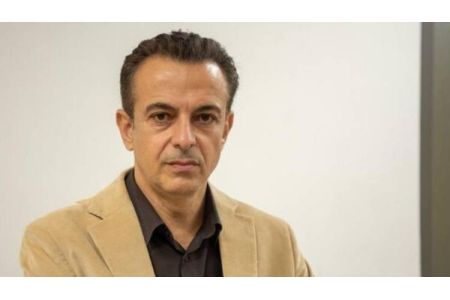 Armenian political scientist outlines two likely goals for tomorrow`s visit by U.S. Secretary of State to Yerevan
 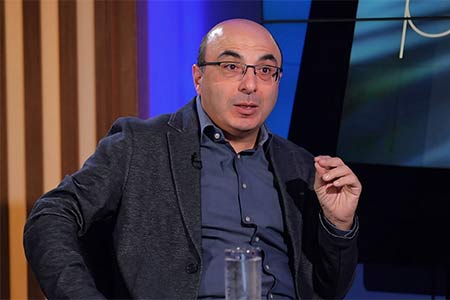 Domestic escalation to lead to external escalation soon - expert
 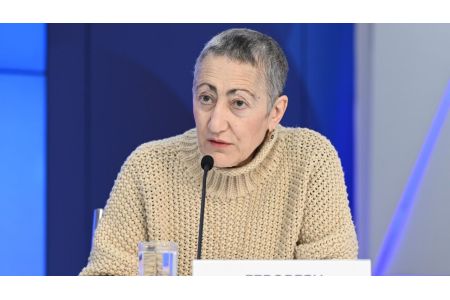 Opinion: Situation within Armenia and on its borders will largely depend on developments surrounding Iran
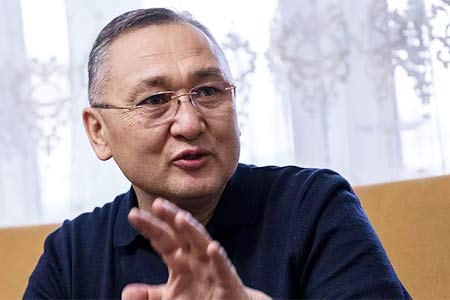 CSTO Secretary General: Dual Membership in EU and EAEU "highly difficult"
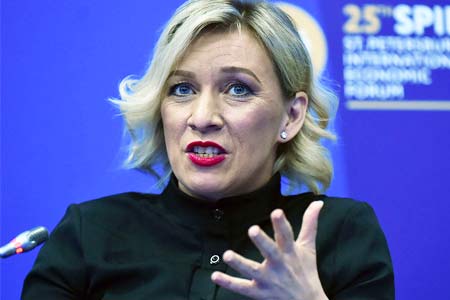 Armenia a passenger who wants to get from point A to point G - Maria Zakharova
 EU prepares support for Armenia amid economic restrictions imposed by Russia - media
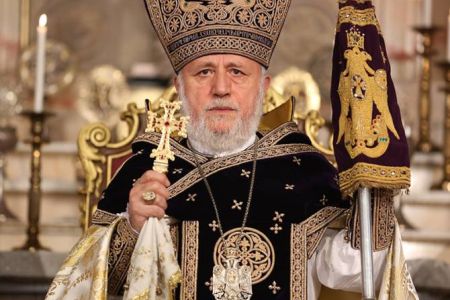 Catholicos: We must make every possible effort to ensure justice prevails for the people of Artsakh
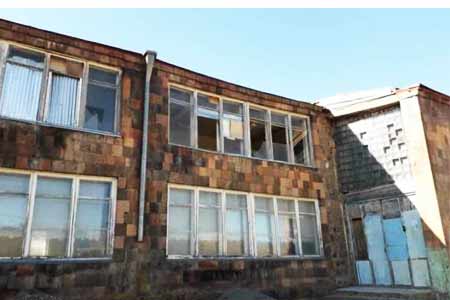 Opposition leader names newly built schools in Vayots Dzor to be handed over to Azerbaijanis
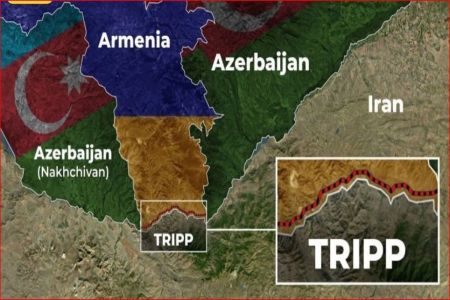 Expert: Armenia and Azerbaijan are participating in the US geopolitical game to encircle Iran
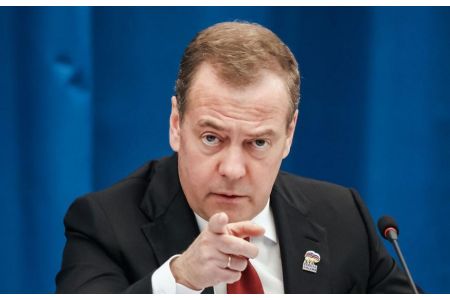 Medvedev likens Pashinyan`s stance on EAEU/ EU referendum to Trotsky`s formula
 Breavis accuses EuroNews of spreading false information regarding Armenian elections
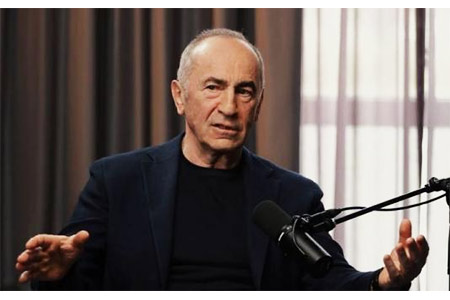 Choice between EU and EAEU is choice between unrealizable dream and certainty