
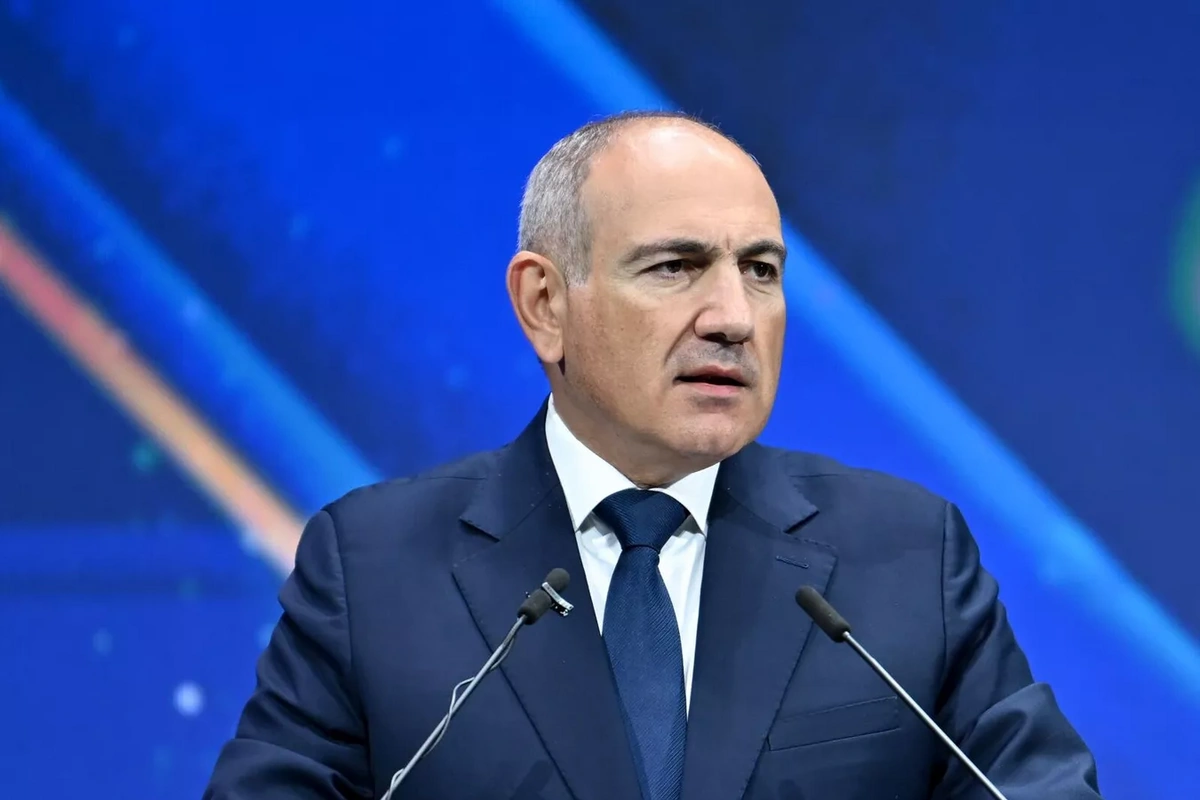
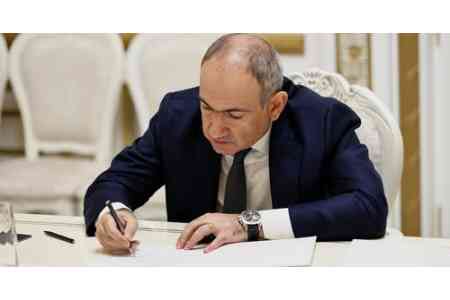
ArmInfo. Armenian Prime Minister Nikol Pashinyan spoke about the restrictions that may be imposed on citizens and institutions within the Trump Route project area.
Pashinyan indicated that TRIPP will have several components-railroads, power lines, cables, gas/oil pipelines, and transport communications.
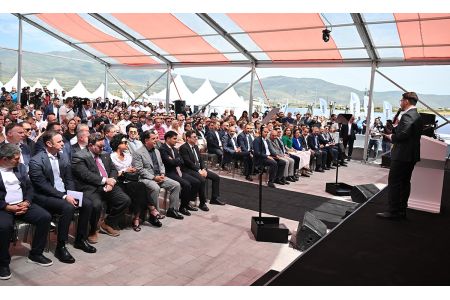
"All of this must be located on the ground, and many are interested in the status of these lands. Will there be any restrictions on Armenian institutions exercising their functions and powers established for them by law and the Constitution with respect to these territories? No, clearly and unequivocally not, and without any discrepancies," the Armenian Prime Minister said on November 14 at a conference entitled "Crossroads of Peace: Developing Regional Communications and Cooperation." Pashinyan added that the restrictions could be the same as those in place, for example, at Yerevan's Zvartnots International Airport or at any other enterprise in the country. This will be done to avoid discouraging investors, as they have their own area of operation and it is important for them not to encounter any restrictions beyond those stipulated by Armenian law.
As a reminder, on August 8, Armenian Prime Minister Nikol Pashinyan and Azerbaijani President Ilham Aliyev signed a seven-point joint "Declaration of Peace" in Washington. It envisages a joint appeal to the Organization for Security and Cooperation in Europe (OSCE) to terminate the OSCE Minsk Process and related structures, as well as the creation of a transport corridor through Armenian territory that will connect Azerbaijan with its Nakhchivan exclave, surrounded by Armenia, Turkey, and Iran. Experts believe the TRIPP (Trump Route for International Peace and Prosperity) project, a 42-kilometer road in southern Armenia that will hand over control to the United States for 99 years, could significantly change the geopolitical situation in the South Caucasus.













 TRIPP`s proximity to Iranian border could slow its implementation - expert
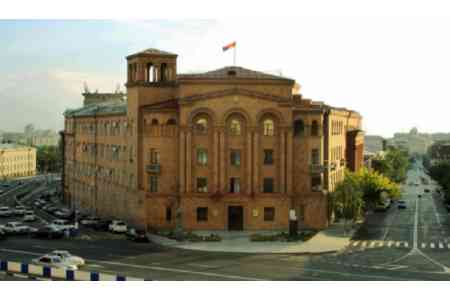
  Who and why is sacrificing RA National Security Service`s reputation? - expert
  Tehran creating security environment in which sustainable shipping in Strait of Hormuz difficult to imagine without its direct participation - expert
  Arrested Armenian oligarch on economy and new jobs
  NA Vice Speaker candidate believes his wife`s salary as director of HayPost is the lowest in the company`s history
 RF Permanent Representative: There is no CSTO-Armenia conflict
 Moscow: NATO seeking to "Pull" Armenia away from CSTO Allies
  Political analyst: Russia intends to determine which "Camp" Armenia will choose through a referendum
 Narek Karapetyan will give up his parliamentary salary in favor of charitable contributions.
 Armenian analyst: Developing relations with Europe and the U.S. must not jeopardize relations with regional powers
 Armenia and France discuss further development of strategic partnership and EU cooperation
  To overcome risks Armenia must reduce domestic escalation - expert
  Zatulin: Pashinyan was eager to get back to Russia because he actually lost the elections
 Human rights activist Ruben Melikyan dismissed from YSU
 Pashinyan removed from INNOPROM guest list
 Zakharova: Armenia`s pro-EU pivot poses economic security risks to EAEU member states
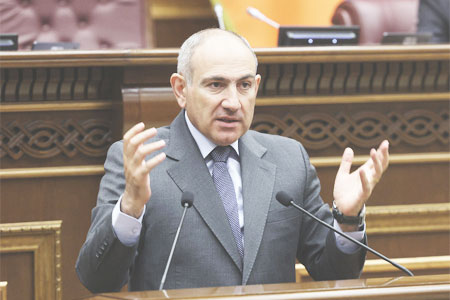 It`s time for South Caucasus countries to think of South Caucasus as single, unified region - RA premier
  Pashinyan: Armenia and Azerbaijan should leave each other alone