
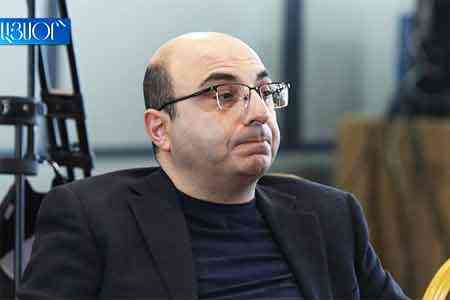
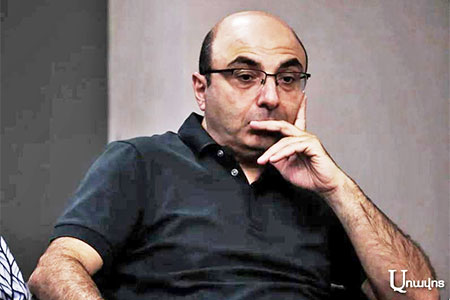
ArmInfo. The upcoming parliamentary elections in Armenia will determine the fate of not only the next five years, but also at least several generations to come, and in this regard, they are truly historic. This is what Vahe Hovhannisyan, a member of the Alternative Projects group, writes in his article.
"The 2026 elections will be significantly different from the 2021 elections. There are practically no similarities. In 2021, public sentiment was shocking, aggression was high, but there was no demand for change. Now that aggression has subsided, but the demand for change and the number of those demanding it have increased significantly. This reality requires a different style of work. Under these conditions, the chances of reproducing power are minimal. Therefore, it will resort to 'changing the conditions.' I first warned about this, when various opposition circles were euphoric over the poll results. And Nikol (RA Prime Minister Nikol Pashinyan - ed.) actually went along with it. The arrests of priests on criminal charges of 'terrorism,' the arrest of Samvel Karapetyan, the campaign against the Church, the Washington Document, etc. A multi-genre continuation will certainly follow: he will seek to create 'new electoral conditions,'" the political scientist noted.
At the same time At the moment, he said, the opposition should be understood as all those forces that desire profound change. This formula provides an excellent opportunity for informal consolidation and, therefore, a real chance to turn this tragic page in Armenia's history. The idea of an opposition shouldn't be limited to two, three, or four forces.
"You never know what unexpected turns of events can occur during the pre-election period, who has what hidden potential. According to all the polls, the overwhelming majority of the Armenian population wants change. The task of political forces is to transform these sentiments into a society ready for change. The false thesis of "peace" brought by Nikol must be neutralized by a competent counter-political formula. The prospect of real peace must be offered by the opposition itself. Immediately after Nikol's election, Aliyev will put forward a demand for a mass return of Azerbaijanis to Armenia, failure to fulfill which will lead to a sharp aggravation of the situation. What is important is that all those people who have competently fought for change over the past 4-5 years do not exclude themselves from the electoral process, do not say: "I am not involved in politics." This is not politics, these are elections that will become a watershed in Armenia for many years. Otherwise, Nikol's list will be opposed by factional, careerist lists that have little to offer Armenia. These elections are about "The path of post-war recovery. Those who have something to say have no right to step aside," notes Vahe Hovhannisyan.
He noted in this regard that new blocs, new alliances, and unconventional blocs are of great value. The authorities are ready to commit any lawlessness, but there is a clear antidote. The task of the political establishment is to transform a society thirsty for change into a struggling society. Once this is achieved, the government's machine of lawlessness will begin to crumble.
"If the authorities suffer a defeat but attempt to cling to power through election fraud, a general uprising will occur. Success is a chain consisting of various links. It is necessary to transform the latent demand for social change into a conscious, motivated demand, which is the main anomaly of this stage. Usually, before elections, the opposition tries in every way to revive political and social processes, bring issues to the forefront, and maintain public activity. Surprisingly, here it is the other way around: the opposition is passive, the authorities initiate processes, and the opposition merely responds. This is truly unnatural for the current situation in Armenia, and it must change. In this regard, the idea of impeachment and other ideas that generate political and social activity could become a very important prelude to an important process," the political scientist noted.















 Expert: Current process is not about peace, but implementing Azerbaijan`s wishlist
 Expert: Real peace unattainable until Armenia-Azerbaijan agreement is signed and ratified
 TRIPP`s proximity to Iranian border could slow its implementation - expert
 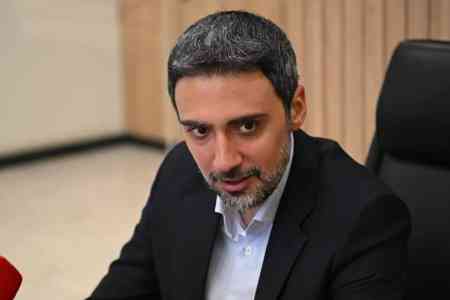 Aram Vardevanyan: Public demands solutions, not apology scandals in Parliament
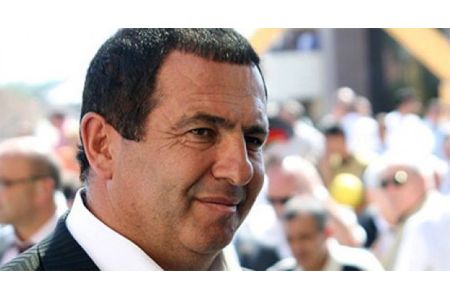 Arrested Armenian oligarch on economy and new jobs
 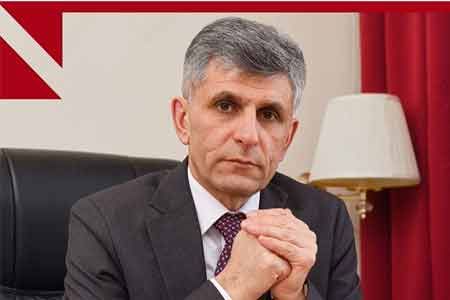 "In Baku, we gave a worthy rebuff to the false claims regarding the past and present of our people" – Former Artsakh Parliament Speaker from Baku captivity
  NA Vice Speaker candidate believes his wife`s salary as director of HayPost is the lowest in the company`s history
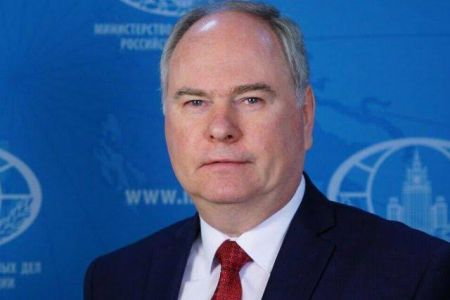 RF Permanent Representative: There is no CSTO-Armenia conflict
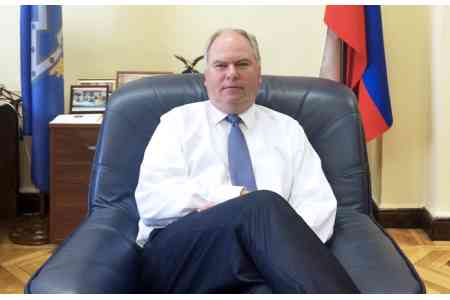 Moscow: NATO seeking to "Pull" Armenia away from CSTO Allies
 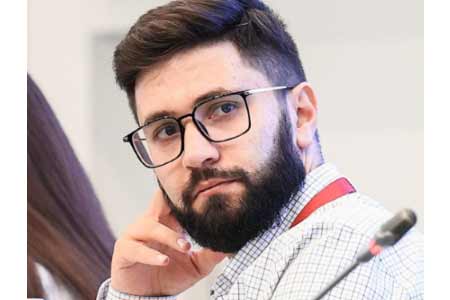 Political analyst: Russia intends to determine which "Camp" Armenia will choose through a referendum
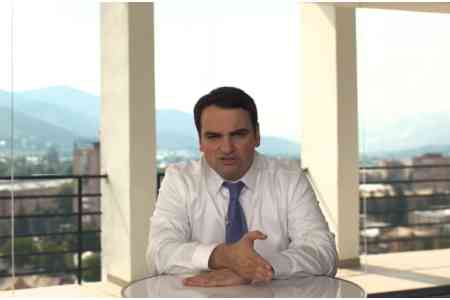 Narek Karapetyan will give up his parliamentary salary in favor of charitable contributions.
 Armenian analyst: Developing relations with Europe and the U.S. must not jeopardize relations with regional powers
 Armenia and France discuss further development of strategic partnership and EU cooperation
  To overcome risks Armenia must reduce domestic escalation - expert
  Zatulin: Pashinyan was eager to get back to Russia because he actually lost the elections
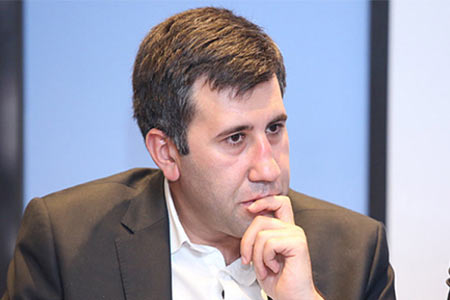 Human rights activist Ruben Melikyan dismissed from YSU
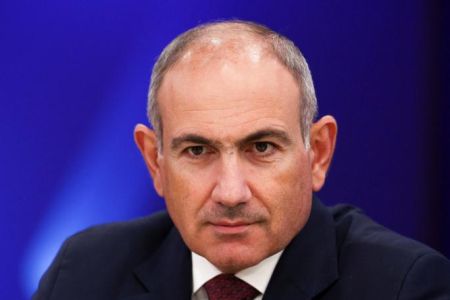 Pashinyan removed from INNOPROM guest list
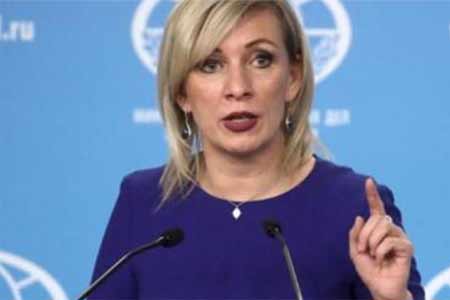 Zakharova: Armenia`s pro-EU pivot poses economic security risks to EAEU member states