



ArmInfo. A survey conducted within the framework of the "Positive Masculinity 2.0" program among more than 2,000 young men aged 16 to 25 showed that ideas about the modern image of a man in Armenia are changing.
Thus, according to a message received by ArmInfo, today young men associate their ideas about masculinity not with physical strength, but with internal qualities. However, along with this positive trend, the survey showed that a significant portion of young men still consider violence acceptable. And although both boys and girls, as the study shows, attach more importance to compassion, responsibility and kindness than to aggression, at the same time a significant number of boys are still tolerant of domestic violence.
According to the survey, while 93% of women categorically reject the idea that "sometimes it's fair for a man to beat his wife," the same figure for men is 84%. "This difference suggests that women are more likely to see a connection between negative male standards and domestic violence, which most men reject," the study notes.
As Elena Kiryushina, Gender Equality and Youth Specialist at the UNAIDS Regional Office for Eastern Europe and Central Asia, emphasized, the fact that one in ten young men is willing to justify domestic violence is a clear sign that efforts need to be focused on strengthening positive masculinity and developing emotional intelligence.
The study also found that while Armenian women value men's caring for their partners and children more, men, in turn, are more likely to prioritize traditional qualities such as "defending honor with their fists" and military service. It is also noted that family, friends, and society have a significant influence on the perception of masculinity in Armenian society.
"The study also showed that young men are more influenced by stereotypes of traditional Armenian culture, while for women, media and social media play a significant role," the study continues.
However, commenting on the study's findings, Armi Mkrtchyan, a gender specialist at TeensLIVE Armenia, noted that the survey results demonstrate a willingness among Armenian youth to challenge old stereotypes and rethink what it means to be a man. "By prioritizing compassion and responsibility over aggression, they are paving the way for healthier relationships and a more equal society. The insights gained will be important for the development of future youth programs and the discussion of gender equality policies in Armenia," Mkrtchyan emphasized.
According to the source, innovative tools were created based on the obtained results, in particular a Telegram bot with artificial intelligence called "Barujan", which provides young people with information on mental health, gender equality and violence, as well as a teaching aid designed for students in grades 7- 10 as part of the "Healthy Lifestyle" course. The program was implemented by TeensLIVE Armenia with the support of UNESCO and the Joint United Nations Programme on HIV/AIDS (UNAIDS), and is in line with Armenia's gender strategy for 2025-2028.
















 Politician: Statement by Armenia`s third president may deprive opposition of only political basis for ousting Pashinyan
 Political scientist: Real recount will deprive Pashinyan of any constitutional majority
 Elections in Armenia were accompanied by unprecedented pressure on opposition, RF MFA spokesperson claims
  Expert: Even OSCE observers recorded numerous violations during elections in Armenia
  Moscow to await official results of Armenian elections - Peskov
 Antonio Costa: EU to deepen its partnership with Armenia, expanding cooperation in energy, trade, and digitalization
 Israeli MFA congratulates Pashinyan
 Turkish MFA comments on results of Armenian elections
  Zakharova: International observers cannot ignore `flagrant violations` in Armenian elections
 Russian Senator: Opposition complaints regarding election violations by ruling party remain unanswered
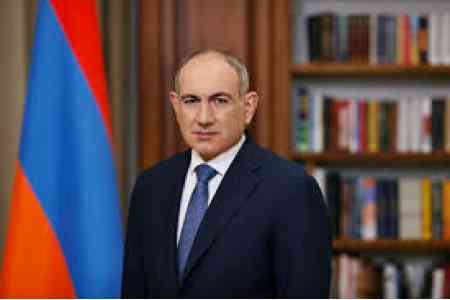 RA premier receiving congratulations on his victory in parliamentary elections
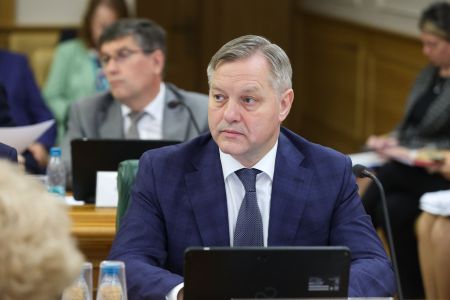 Head of IPA CIS Council Secretariat: Extremely difficult atmosphere during parliamentary elections campaign in Armenia accompanied by mass arrests
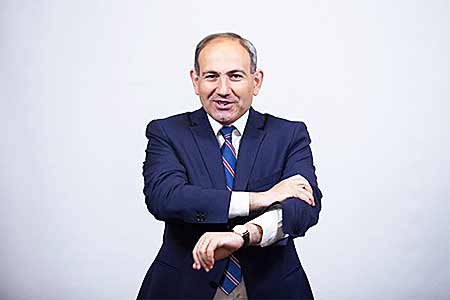 Pashinyan`s party leads with 51.13% based on vote counts from 533 polling stations