


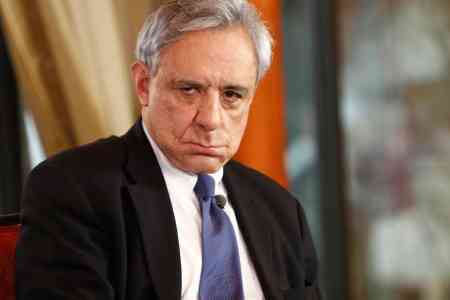
ArmInfo. The disadvantages of the Washington agreements of August 8 are so numerous and fundamental that they can outweigh all possible positive factors for Armenia. Former Foreign Minister of Armenia Vardan Oskanyan wrote on his Facebook page.
He drew attention to the fact that many Armenian politicians, experts and analysts claim that, despite the existing shortcomings, these agreements give Armenia the opportunity to emerge from isolation and close the page of the conflict. In particular, as the former Foreign Minister noted, the country receives recognition of its current borders, assurances of the exclusion of the use of force and economic advantages thanks to new automobile and railway projects. However, he noted that although this interpretation of the agreement is desirable for the Armenian side, it is far from reality.
"There are four main issues that are often overlooked and deserve special attention," the former minister believes. First of all, as Oskanyan notes, the agreement legitimizes Azerbaijan's military aggression and the forced displacement of more than 120,000 Artsakh Armenians from their native lands. In this vein, he explained that the documents could have had real value in the first years of Prime Minister Nikol Pashinyan's tenure in power, given the changed conditions of Artsakh's political status at that time (in 2020, after the 44-day war - ed.).
"However, in the context of the loss of Artsakh, it is very difficult, to put it mildly, to read these documents and express satisfaction. Secondly, no matter how it is presented, the so-called "unblocking" project gives Azerbaijan the sovereign right to use the route passing through the most strategic region of Armenia (Syunik - ed.). Supporters claim that the project respects Armenia's sovereignty, however, in practice, Armenia was forced to cede control over transit to a state that has repeatedly threatened its existence," the former head of the Foreign Ministry noted.
Meanwhile, he noted that for Azerbaijan, this is not about mutual economic benefit, but about fulfilling its long-standing demand for the so-called "corridor", which undermines Armenia's territorial integrity and security. Oskanyan also believes that the peace treaty itself does not provide any guarantees regarding Armenia's sovereignty or territorial integrity, since the text leaves these issues to the discretion of the future demarcation, which remains unresolved and may be subject to pressure from Azerbaijan.
"There is nothing in the Washington agreements that could prevent Azerbaijan from making further demands on Armenia's Constitution, borders or foreign policy. Moreover, much of the analysis of the geopolitical implications of these agreements is based on contradictory assumptions," Oskanyan points out. He also touched on the claim that this settlement would be beneficial to everyone - Russia, Turkey and Iran. At the same time, he noted that there is also an opposite opinion that it is aimed at reducing Russia's influence, containing Iran or strengthening Turkey.
"The reality is that the South Caucasus and the region around it are constantly changing. No one can predict with certainty how regional events will develop, especially in the context of superpower competition. To say that these agreements guarantee stability means ignoring history: the region has repeatedly shown how quickly apparent successes can collapse," the former head of the Foreign Ministry explained.
In summary, Oskanyan noted that the August 8 agreements are not a solid foundation for peace, but rather a formalization of the current situation, which clearly legitimizes the Armenian losses, leaves security issues uncertain and even exacerbates the country's vulnerability. According to him, welcoming them without facing these four realities means confusing formality with content.
Recall that on August 8, a trilateral meeting of the leaders of the United States, Armenia and Azerbaijan took place at the White House. Within the framework of this meeting, Armenian Prime Minister Nikol Pashinyan, US President Donald Trump and Azerbaijani President Ilham Aliyev signed a joint declaration aimed at resolving the conflict between Yerevan and Baku.





























 Political scientist: Real recount will deprive Pashinyan of any constitutional majority
 Expert: Even OSCE observers recorded numerous violations during elections in Armenia
  Armenia`s ex-minister of justice calls on opposition to honestly answer questions troubling Armenian citizens
 Elections in Armenia were accompanied by unprecedented pressure on opposition, RF MFA spokesperson claims
  Moscow to await official results of Armenian elections - Peskov
 Antonio Costa: EU to deepen its partnership with Armenia, expanding cooperation in energy, trade, and digitalization
 Israeli MFA congratulates Pashinyan
 Turkish MFA comments on results of Armenian elections
  Zakharova: International observers cannot ignore `flagrant violations` in Armenian elections
 Strong Armenia to issue statement after vote count completed - Narek Karapetyan
 Russian Senator: Opposition complaints regarding election violations by ruling party remain unanswered
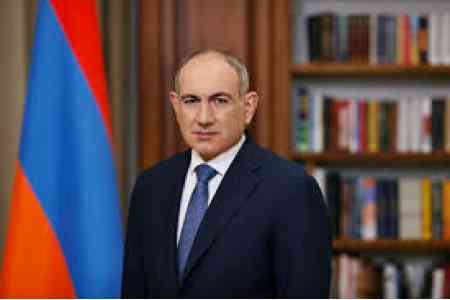 RA premier receiving congratulations on his victory in parliamentary elections
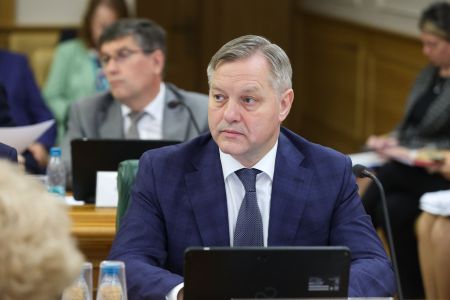 Head of IPA CIS Council Secretariat: Extremely difficult atmosphere during parliamentary elections campaign in Armenia accompanied by mass arrests
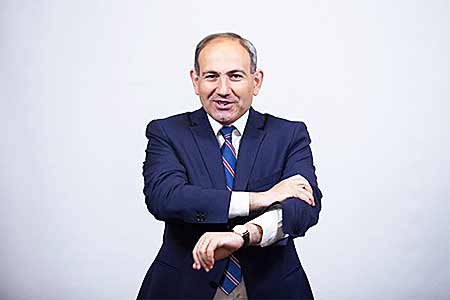 Pashinyan`s party leads with 51.13% based on vote counts from 533 polling stations
 Voting in parliamentary elections in Armenia ends
  Strong Armenia: Administrative Court not providing judicial decisions to citizens wishing to vote in parliamentary elections
