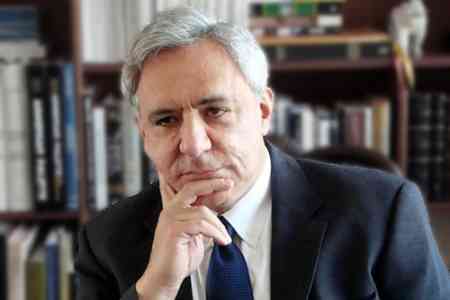
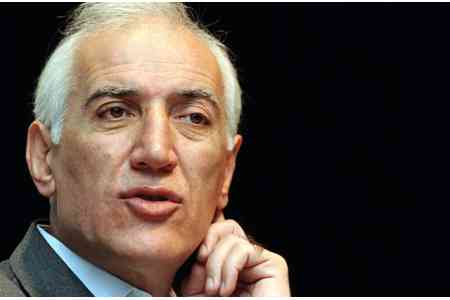
ArmInfo. In today's press conference, Nikol Pashinyan likened the idea of granting control over a corridor through Armenia's sovereign territory to a third party with outsourcing national infrastructure such as the airport, railways, or postal services. This analogy is absurd, misleading, and dangerous, as stated by former Armenian Foreign Minister Vartan Oskanian in a post on his Facebook page. The message reads as follows: "First, outsourcing the management of an airport or a postal service is a commercial arrangement in which national jurisdiction remains fully intact. The Republic of Armenia continues to exercise sovereignty over its land, airspace, and legal framework. These are standard public-private partnerships used globally to promote development, modernization, and efficiency-while retaining full national control.
By contrast, the "corridor" concept-demanded by Azerbaijan and occasionally echoed by outside powers-implies something entirely different: the extraterritorialization of Armenian land. It envisions a strip of sovereign territory removed from Armenia's legal, administrative, and security authority, ceded either de facto or de jure to another power. That is not a commercial transaction; it is a derogation of sovereignty.
The distinction is simple but fundamental: outsourcing services is governance; outsourcing a "corridor" is territorial concession. Pashinyan's rhetorical deception blurs this line, disorienting public understanding and dangerously lowering the bar for future concessions. To suggest that handing over jurisdiction of a transit route is akin to granting a concession to run Zvartnots Airport is to confuse the leasing of a service with the abandonment of a border.
If this comparison were valid, any colonial-era concession could be rebranded as modernization. But history teaches otherwise.
Territorial sovereignty is not a management contract-it is the foundation of statehood. By proposing to outsource control of a corridor through Armenia's Syunik province to a third party- reportedly to facilitate unimpeded Azerbaijani access to its exclave, Nakhichevan-Nikol Pashinyan risks compromising Armenia's sovereignty and territorial integrity under the guise of regional "connectivity."
A corridor under third-party control-regardless of who administers it-would set a dangerous precedent. It would effectively carve out an extraterritorial route through Armenia proper, subordinating national sovereignty to the transit rights of a state that not only refuses to renounce violence but continues to threaten Armenia's security and viability. Such a corridor, even if nominally administered by "neutral" actors, would in practice serve as a mechanism of Azerbaijani expansionism".













 Armenian experts, leading Turkish think tanks discuss prospects for expanding cooperation
  Political Scientist: As long as the opposition remains silent, Pashinyan can use Plan B and secure a constitutional majority
 US-Iranian memorandum more beneficial for Iran from political and economic perspective - expert
  Political analyst: While Pashinyan pledges peace with Azerbaijan, Baku continues promoting the "Western Azerbaijan" project
 Zakharova: Armenia`s pro-EU pivot poses economic security risks to EAEU member states
 It`s time for South Caucasus countries to think of South Caucasus as single, unified region - RA premier
  Pashinyan: Armenia and Azerbaijan should leave each other alone
 Moscow sees situation with Armenia as attempt to attack Russia-involving integration associations - Russian presidential aid
 Zakharova: Armenia views relations with Russia as tool for financially securing reorientation toward EU
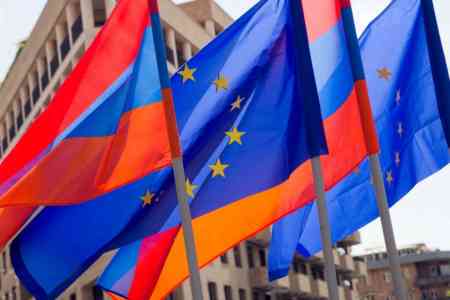 The Armenian Minister of Justice and the EU Ambassador discussed visa liberalization issues for Yerevan.
 Azerbaijan`s aggressive plans against Armenia became possible in wake of Pashinyan`s decisions on Artsakh - expert
 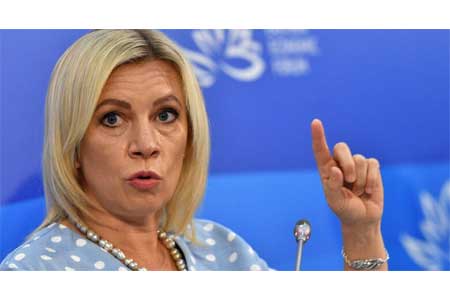 Zakharova: Russia sent a note of protest to Armenia over the act of vandalism at the "Mother Armenia" memorial in Gyumri
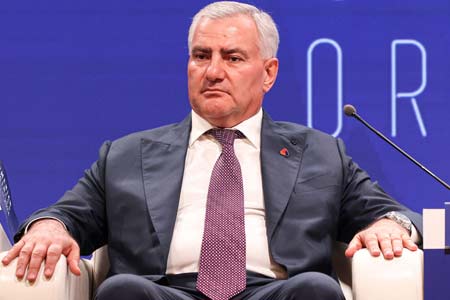 Samvel Karapetyan proposes creating a post-election opposition coalition
 Artsakh`s Cultural Heritage Ombudsman called on Moscow to respond to destruction of WWII monuments by Azerbaijan in occupied NKR
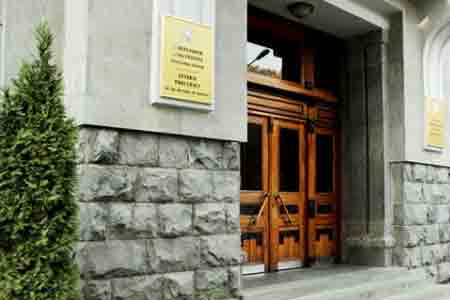 Prosecutor General`s Office petitions Central Electoral Commission for criminal prosecution of Robert Kocharyan
 Dutch Prime Minister expresses his support for Armenia`s democratic reform and economic diversification agenda
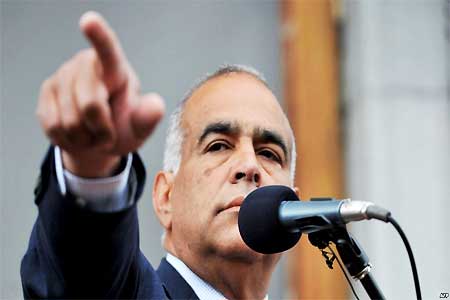 Heritage: It`s time for Armenia`s opposition to present people with legitimate alternative to power
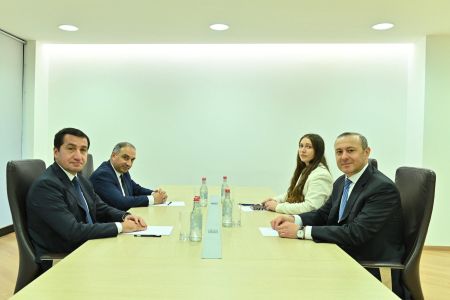 RA Security Council Sec, Assistant to President of Azerbaijan hold negotiations in Dilijan
 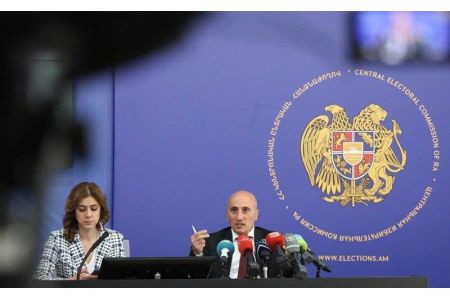 CEC Neutralizes PAP: Three Political Forces to Enter Armenian Parliament Following Election Vote