

ArmInfo. The further future of Artsakh entirely depends on the geopolitical situation, and even more precisely, on the geopolitical capabilities and resources of Moscow. Political strategist Vigen Hakobyan expressed a similar opinion to ArmInfo.
"The Russian peacekeepers stationed in Artsakh will stay there for 5 years, and the trilateral statement states that the possibility of automatic extension of the Russian peacekeeping mandate is possible only with the consent of both parties to the conflict. In this light, Baku is quite capable of demanding the withdrawal of the peacekeeping contingent after 4-5 years," he noticed.
On November 9, the leaders of Russia, Armenia and Azerbaijan, Vladimir Putin, Nikol Pashinyan and Ilham Aliyev, adopted a joint ceasefire statement, which entered into force on November 10. Within the framework of this agreement, Armenia makes a number of territorial concessions. Yerevan undertook to transfer the Kalbajar region to Baku by November 15, the Aghdam region by November 20, and the Lachin region by December 1. All the territories occupied during the war remain on the Azerbaijani side. Lachin corridor - 5 km wide, will provide communication between Artsakh and Armenia under the control of Russian peacekeepers, who will also be deployed along the Line of contact in Artsakh.
In this light, according to his estimates, it is rather difficult to forecast the situation in Artsakh by the end of the first term of the peacekeepers' stay. According to the political strategist, how the situation around Artsakh in Artsakh will develop depends on how relations between the authorities of Armenia and Artsakh will develop at that time.
According to the political strategist, the trilateral statement of November 10 became a logical, albeit sharply corrected, continuation of the Madrid principles that were originally on the negotiating table. Since even the negotiation process within the framework of the OSCE Minsk Group assumed the return of first 5, then 2 more regions to Azerbaijan, and then the implementation of the remaining points of the document.
"It is clear that successes on the battlefield sharply increased Ilham Aliyev's appetites. Back in October, Prime Minister Pashinyan voiced Yerevan's readiness for "painful concessions", in my opinion, within the framework of the same Madrid principles. However, even then, Baku's response was an even more maximalist position on the seizure of all of Artsakh, in particular, Shushi. And only preliminary agreements with the participation of mediators prevented the Azerbaijani advance towards Stepanakert," the political strategist summed up.














 A security sphere expert commented on a video about Papikyan`s achievements during his five years as Defense Minister
 The future of the South Caucasus was discussed in the capital of a country whose problem remains unresolved — Davtyan
 An Armenian orientalist presented possible US actions against Iran
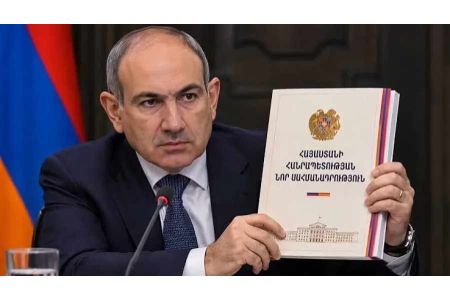 Prime Minister: The Constitution is our collective agreement on the fundamental principles of our internal and external relations
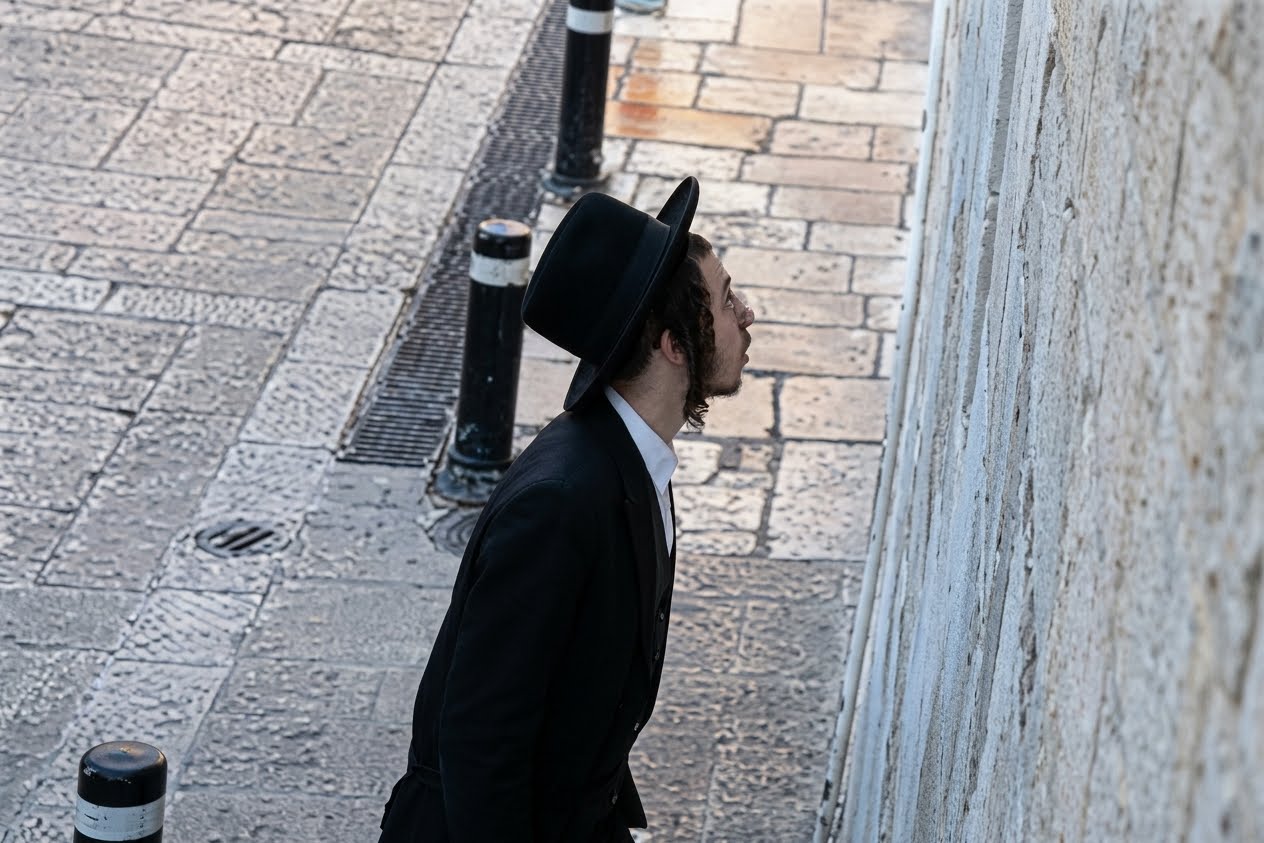 Ultra-Orthodox Jews continue to desecrate Armenian holy sites in Jerusalem’s Armenian Quarter
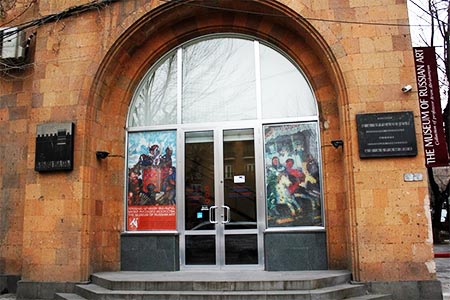 The Yerevan Museum of Russian Art Turns 42
 Armenia wants to host COP-34 in 2029
 Speaker: Armenia has never approached the CSTO regarding the Karabakh issue
 Lavrov: Armenia will not be expelled from the CSTO
 Drmeyan: The ECHR rejected Azerbaijan`s appeal in the case of Artsakh Defense Army Major Hayk Toroyan
 "Strong Armenia": The brawl in parliament was staged to distract public attention from Pashinyan`s failed foreign policy
 Zakharova commented on the scandalous epithets of the governor of Armenia`s Shirak region about "Ivanov"
 Nikolai Bordyuzha proposed excluding Armenia from the CSTO.
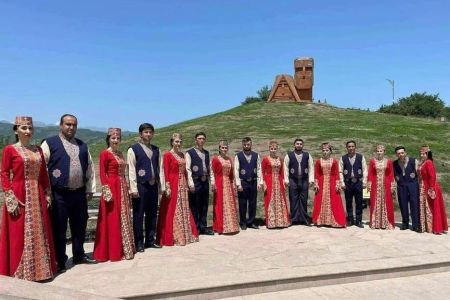 The participation of Artsakh ensembles in an international festival in Vienna was cancelled following the intervention of several foreign embassies