
ArmInfo. "I am glad to see that Human Rights Watch has professionally and objectively documented part of Azerbaijan's war crimes in Artsakh," Artsakh Ombudsman Artak Beglaryan wrote on his Facebook page.
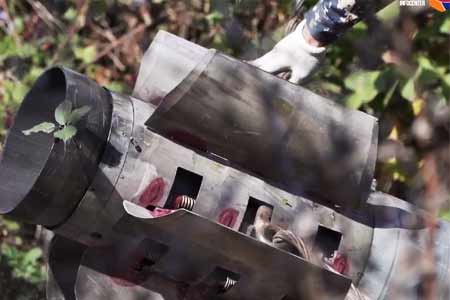
According to him, the organization has collected a lot of evidence and testimony of large-scale and targeted use of cluster munitions against the civilian population of Karabakh.
Note that, according to the document published today, Azerbaijan has repeatedly used prohibited cluster munitions in residential areas in Nagorno-Karabakh during large-scale hostilities. The organization has documented at least 4 incidents involving the use of Baku cluster bombs since September 27. As noted by Human Rights Watch, two humanitarian ceasefire agreements brokered by the OSCE Minsk Group did not stop the hostilities, as a result of which dozens of civilians were killed in Karabakh and Armenia. "The continued use of cluster munitions, especially in densely populated areas, demonstrates a flagrant disregard for the safety of civilians," said Stephen Goose, director of armaments at Human Rights Watch.He said cluster munitions should under no circumstances be used by anyone, especially in cities due to predictable and unacceptable damage to civilians.
The human rights organization investigated the remains of rockets and exploded ordnance, as well as unexploded bombs in Stepanakert and in the city of Hadrut, as a result of which the remains of Israeli Lar- 160 cluster munitions and unexploded Mo95 bombs were identified. Azerbaijan received these surface-to- surface missiles and launchers in 2008-2009 from Israel. Neither Armenia nor the de facto authorities of Karabakh store cluster munitions, but they have multi-barreled missile launchers capable of delivering these weapons.






















 Azerbaijani studies expert : Ruben Vardanyan’s wife threatened with arrest if she visits Baku
 Political scientist: If Russian-Armenian relations are destroyed, Turkey will take Russia`s place
 Political scientist: The Armenian public is simply obliged to significantly change the entire content of public discourse and struggle
 Cross tattoos are being removed from the skin of Christian prisoners in Azerbaijan by fire, according to a human rights activist.
 Zakharova: Armenia`s likely introduction of visas with Russia will be a step against Yerevan itself
 Putin: Armenia`s recognition of Karabakh as part of Azerbaijan in Prague has given Russia`s position on this issue an ambivalent character
 Putin: Armenia`s adoption of the law on EU accession means an announcement of its withdrawal from the Eurasian Economic Union
 Medvedev: Yerevan will never become an EU member, but it will permanently damage relations with the Eurasian Economic Union, including with Moscow.
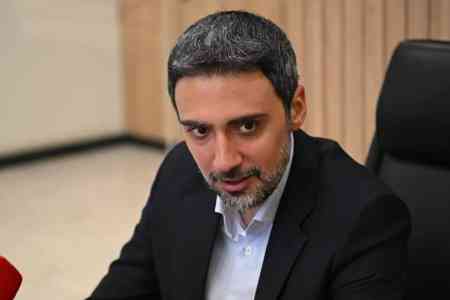 Aram Vardevanyan: Public demands solutions, not apology scandals in Parliament
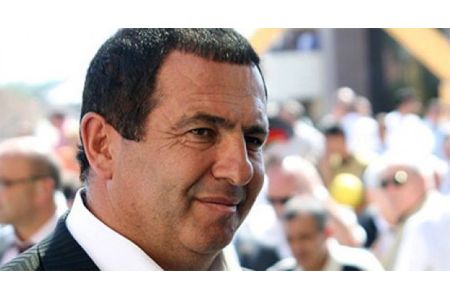 Arrested Armenian oligarch on economy and new jobs
 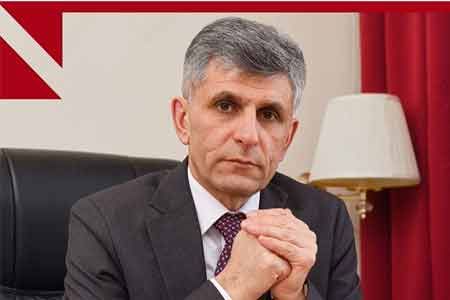 "In Baku, we gave a worthy rebuff to the false claims regarding the past and present of our people" – Former Artsakh Parliament Speaker from Baku captivity
 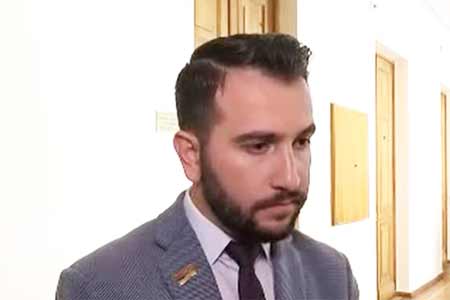 NA Vice Speaker candidate believes his wife`s salary as director of HayPost is the lowest in the company`s history
 RF Permanent Representative: There is no CSTO-Armenia conflict
 Moscow: NATO seeking to "Pull" Armenia away from CSTO Allies
  Political analyst: Russia intends to determine which "Camp" Armenia will choose through a referendum
 Narek Karapetyan will give up his parliamentary salary in favor of charitable contributions.