


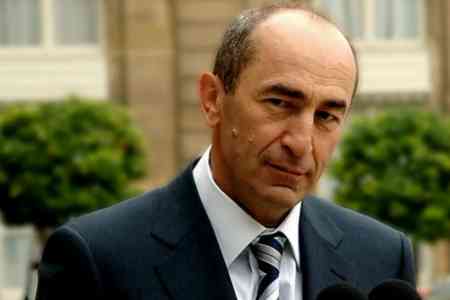
Armenia's second president Robert Kocharyan by criticizing current authorities attempts to build political capital on the threshold of the parliamentary elections of 2017, Head of Armenian Institute for International and Security Issues Stepan Safaryan stated on June 2 commenting on the recent interview given by Kocharyan.
According to him Kocharyan's all the arguments that corruption flourishes in the country and the authorities only give the appearance of fighting it do not stand up to criticism as it was during his tenure when these phenomenon became systematical. "At the same time Kocharyan forgets to tell what prevented him from fighting corruption, and why he noticed its negative consequences only after leaving the post. Possibly he tries to create foundation for participating in parliamentary elections however I think that this step would be shortsighted as the Armenian society is rather not enthusiastic about such a perspective", the expert noted.
Safaryan added that Kocharyan has also no right to criticize anyone on Karabakh settlement, as it was during his office when Artsakh stopped participating in the negotiations as a side. "Right after the four day war political situation was calm in the country but currently one gets an impression that Kocharyan and other politicians are trying to get dividends by indecent ways", the political scientist stressed.
To note, in an interview with 2rd.am, Robert Kocharyan criticizes the domestic and military policy of the incumbent authorities. He stresses that Yerevan should have managed to stop the implementation of the Russian-Azerbaijani arms supply contract or it should have at least limited the range of the arms items or synchronized it with similar supplies to Armenia. "I do not know how effectively the authorities tried to do it and why they failed to prevent it, therefore I would refrain from assessments. At the same time, we proved to be unprepared in terms of military equipment, the purchase of which needed no intergovernmental agreements. For over two years the adversary's army caused a lot of trouble at nights, because it was equipped with all necessary devices," he says, adding that the Armenian side should have equipped the army with sufficient night vision devices and other necessary equipment. He stresses the need to immediately fill all the gaps and it is clear that measures are already being taken to that end. But this should be done at the institutional level, he says, noting that volunteers should not go to the front spontaneously but they should be sent to the military units with due regard for their military specialties.










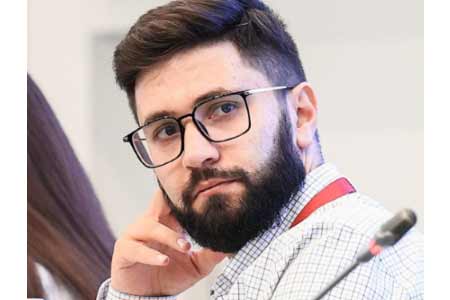 Political scientist: Real recount will deprive Pashinyan of any constitutional majority
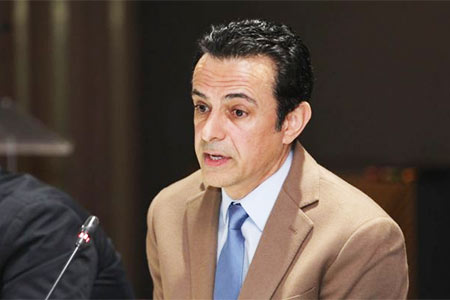 Expert: Even OSCE observers recorded numerous violations during elections in Armenia
  Armenia`s ex-minister of justice calls on opposition to honestly answer questions troubling Armenian citizens
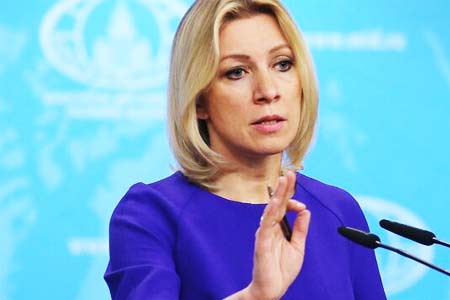 Elections in Armenia were accompanied by unprecedented pressure on opposition, RF MFA spokesperson claims
  Moscow to await official results of Armenian elections - Peskov
 Antonio Costa: EU to deepen its partnership with Armenia, expanding cooperation in energy, trade, and digitalization
 Israeli MFA congratulates Pashinyan
 Turkish MFA comments on results of Armenian elections
 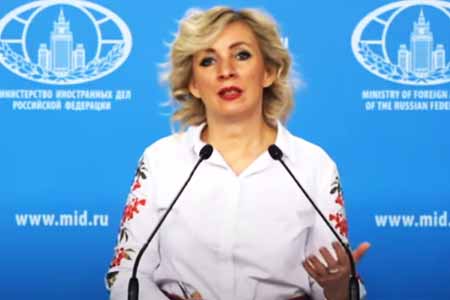 Zakharova: International observers cannot ignore `flagrant violations` in Armenian elections
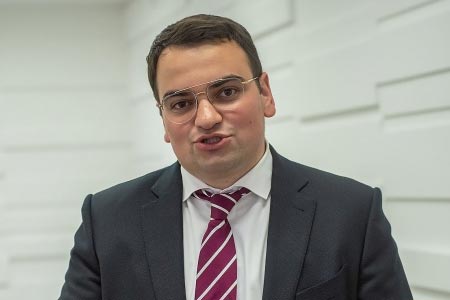 Strong Armenia to issue statement after vote count completed - Narek Karapetyan
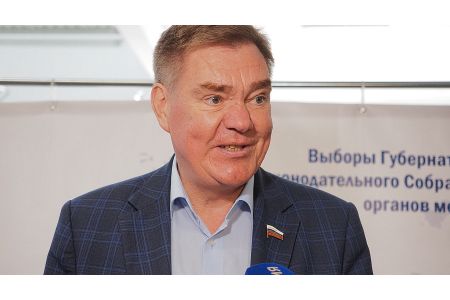 Russian Senator: Opposition complaints regarding election violations by ruling party remain unanswered
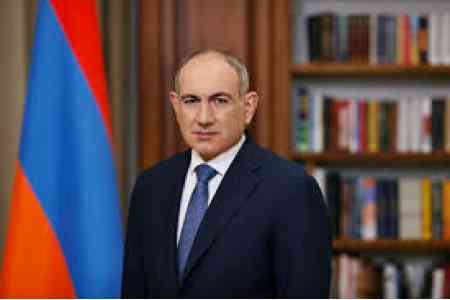 RA premier receiving congratulations on his victory in parliamentary elections
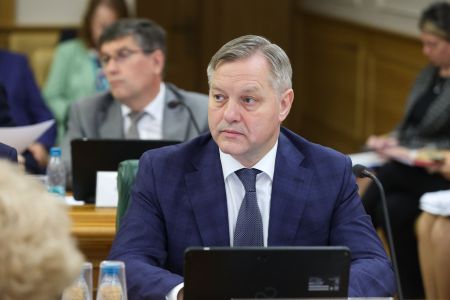 Head of IPA CIS Council Secretariat: Extremely difficult atmosphere during parliamentary elections campaign in Armenia accompanied by mass arrests
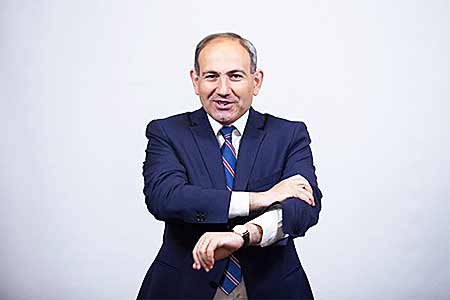 Pashinyan`s party leads with 51.13% based on vote counts from 533 polling stations
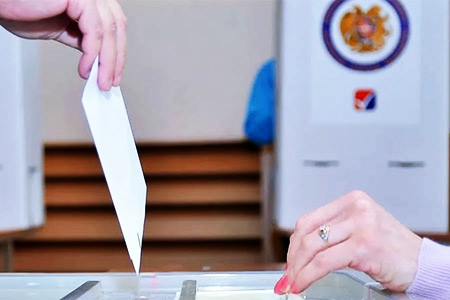 Voting in parliamentary elections in Armenia ends
 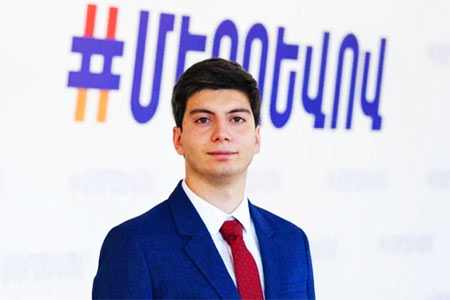 Strong Armenia: Administrative Court not providing judicial decisions to citizens wishing to vote in parliamentary elections