

ArmInfo. Gagik Tsarukyan's Prosperous Armenia Party (PAP) filed three new applications to the Constitutional Court regarding the June 7, 2026, parliamentary elections - on November 19, 20, and 23 - and on November 4, appealed to the European Court of Human Rights. This was reported by the PAP.
It is noted that in its applications, the party challenges the legal provisions and decisions that prevented its voters' votes from being counted and prevented the PAP from entering parliament. It is added that the party's interests are represented by the Concern Dialog law firm.
As a reminder, regular parliamentary elections were held in Armenia on June 7, 2026. Voter turnout was 58.97%. According to preliminary data from the Central Election Commission of Armenia, Nikol Pashinyan's ruling Civil Contract party, Samvel Karapetyan's Strong Armenia bloc, and second president Robert Kocharyan's Armenia bloc have entered parliament. The remaining candidates scored below the required threshold of 4% for parties and 8-10% for blocs. Notably, businessman Gagik Tsarukyan's Prosperous Armenia party lost its 4% threshold after the Central Election Commission adjusted the preliminary vote counts for the country's parliamentary elections. Therefore, the party will not enter the new parliament.
On June 19, seven political forces filed applications with the Constitutional Court of Armenia demanding that the results of the June 7 parliamentary elections be declared invalid. On June 21, the Constitutional Court decided to consolidate all cases into a single proceeding. The first hearing of the Constitutional Court of Armenia began on June 26. The court's decision was due on July 4.
It should be noted that on election day, observers and journalists reported numerous violations by the ruling party during the voting process from early morning. Thus, Pashinyan's party has the opportunity to single-handedly form the country's government by securing a majority of seats in the Armenian parliament. Pashinyan solemnly announced this late at night, when data from only about 10% of polling stations had been processed.















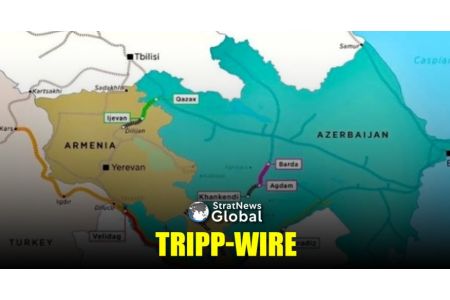



 Expert: Armenia should soberly assess the risks surrounding TRIPP
 Expert: In Armenia, 43% of families with three or more young children are poor—almost twice the national average
 Vardevanyan: The international community has reached a consensus on political persecution in Armenia
 Armenia’s Deputy Minister of Justice Refused to Comment on Azerbaijan and Turkey’s Reaction to the Draft New Constitution
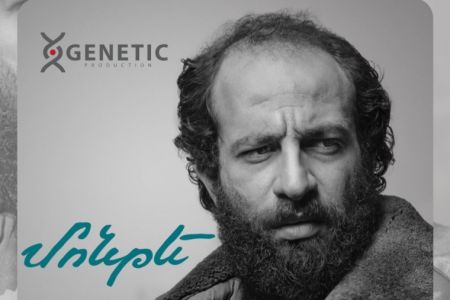 In several Russian cities, screenings of the film “Monte” have been canceled under pressure from the Azerbaijani lobby.
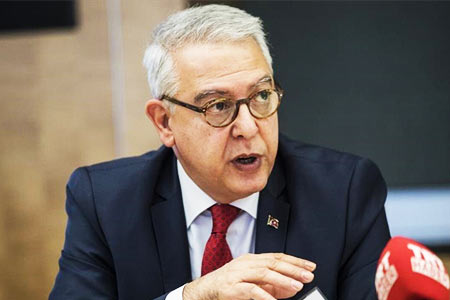 Turkish diplomat calls removal of references to the Armenian Genocide from Armenia’s draft new constitution historic
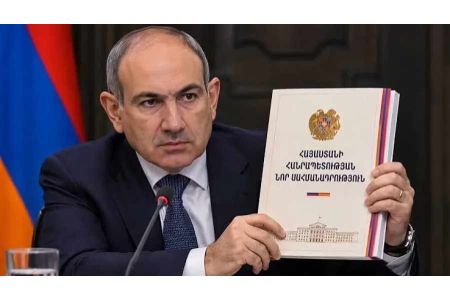 Prime Minister: The Constitution is our collective agreement on the fundamental principles of our internal and external relations
 Ultra-Orthodox Jews continue to desecrate Armenian holy sites in Jerusalem’s Armenian Quarter
 The Yerevan Museum of Russian Art Turns 42
 Armenia and Germany held consultations on defense issues
 Armenia wants to host COP-34 in 2029
 Speaker: Armenia has never approached the CSTO regarding the Karabakh issue
 Lavrov: Armenia will not be expelled from the CSTO
 Orientalist: In 2026, Baku made special efforts to achieve greater diplomatic effect on the issue of victory over Artsakh
 Drmeyan: The ECHR rejected Azerbaijan`s appeal in the case of Artsakh Defense Army Major Hayk Toroyan