

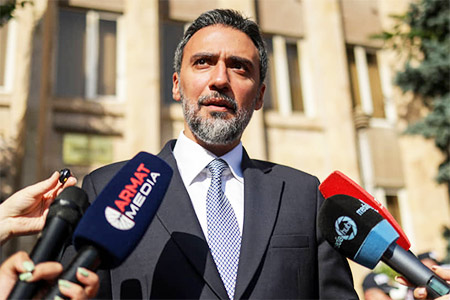
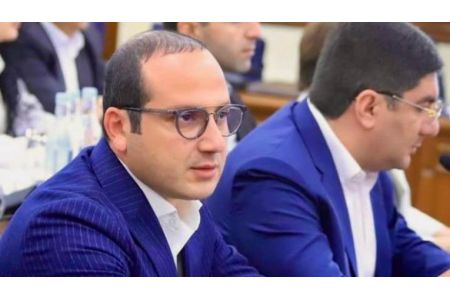
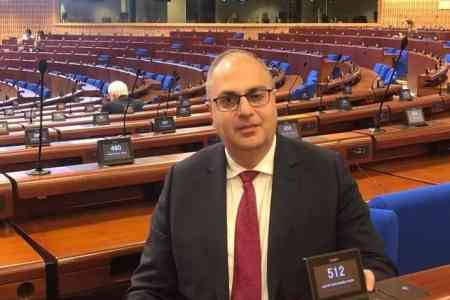
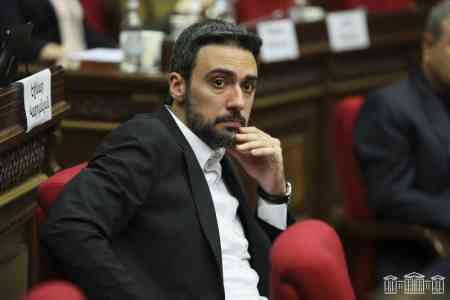
Arminfo. Following the publication of the report by the Parliamentary Assembly of the Council of Europe (PACE), a consensus has emerged in the international community regarding the existence of political persecution in Armenia. Armenian Parliament Deputy Speaker Aram Vardevanyan stated this on November 25 in a conversation with journalists, responding to a request to comment on what topics had been raised at the meeting with EU diplomats.
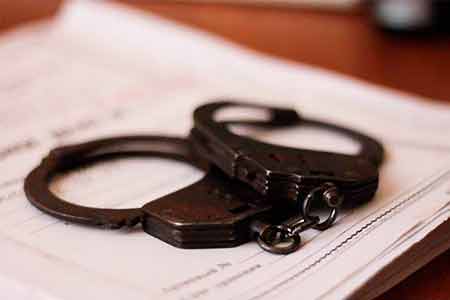
"We held meetings with more than 20 diplomats representing European Union countries. During the discussions, I stated that I was ready to answer any questions concerning unlawful arrests and political and electoral persecution. In particular, I emphasized that I was ready to provide explanations regarding each of the facts I had presented if anyone had doubts that this was specifically political persecution, and that the three leaders of opposition forces who are currently under arrest in Armenia have been deprived of their freedom for political reasons," Vardevanyan said.
Asked whether the diplomats shared the opinion that there are political prisoners in Armenia, Vardevanyan noted that the discourse on this issue had changed since September 2026. "This is connected with the PACE report, which clearly recorded the existence of electoral persecution in Armenia. Do not doubt it: after the publication of this report, a consensus emerged in the international community on this issue," the Armenian Parliament deputy speaker assured.
At the same time, he refused to disclose the positions voiced by the diplomats during the meetings, citing professional ethics. Vardevanyan then presented statistical data. Thus, according to him, as of September 2026, there were approximately 1,400 prisoners in the country, while around 800 other people were under house arrest. By November 2026, as the parliament deputy speaker noted, the number of people held in custody had reached 1,600, while the number of those under house arrest
- 900. "Meanwhile, under Armenian legislation, the case law of the European Court of Human Rights, and EU standards, arrest should be applied in exceptional cases. However, the statistics indicate that in Armenia this preventive measure has effectively become common practice. This is an absurd situation. It demonstrates the country’s retreat from its international obligations. The statistics should have shown the exact opposite picture," Vardevanyan emphasized.
In his opinion, this situation is обусловлена by the use of arrest as an instrument of political influence and the creation of an atmosphere of fear in society. He then noted that from 2023 to 2025 and as of November 2026, the probation service had recorded violations of house arrest conditions in no more than 4% of cases. At the same time, Vardevanyan noted, even with regard to these 4% of cases, it is unclear whether the recorded violations led to the issue of changing the preventive measure to detention. "These figures indicate that we have every reason to apply house arrest much more broadly. However, this is not happening because decisions on the application of arrest are made solely on the basis of political expediency," he emphasized.
In this regard, Vardevanyan recalled how the preventive measure imposed on Strong Armenia party leader Samvel Karapetyan was changed from house arrest to detention after he stated that the authorities’ proposal regarding a new Constitution would be unequivocally rejected.
















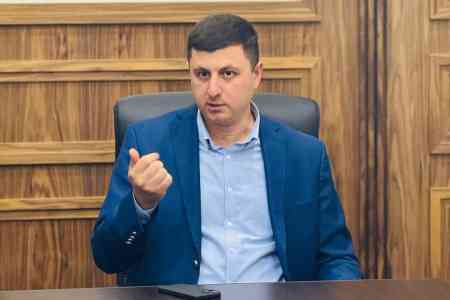 A security sphere expert commented on a video about Papikyan`s achievements during his five years as Defense Minister
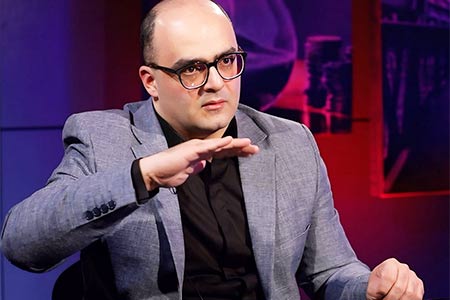 The future of the South Caucasus was discussed in the capital of a country whose problem remains unresolved — Davtyan
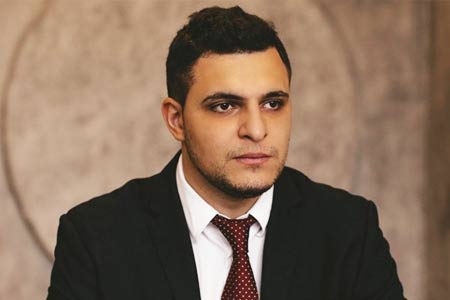 An Armenian orientalist presented possible US actions against Iran
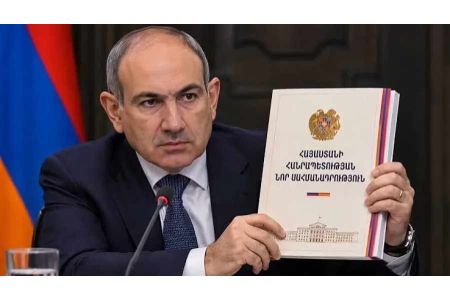 Prime Minister: The Constitution is our collective agreement on the fundamental principles of our internal and external relations
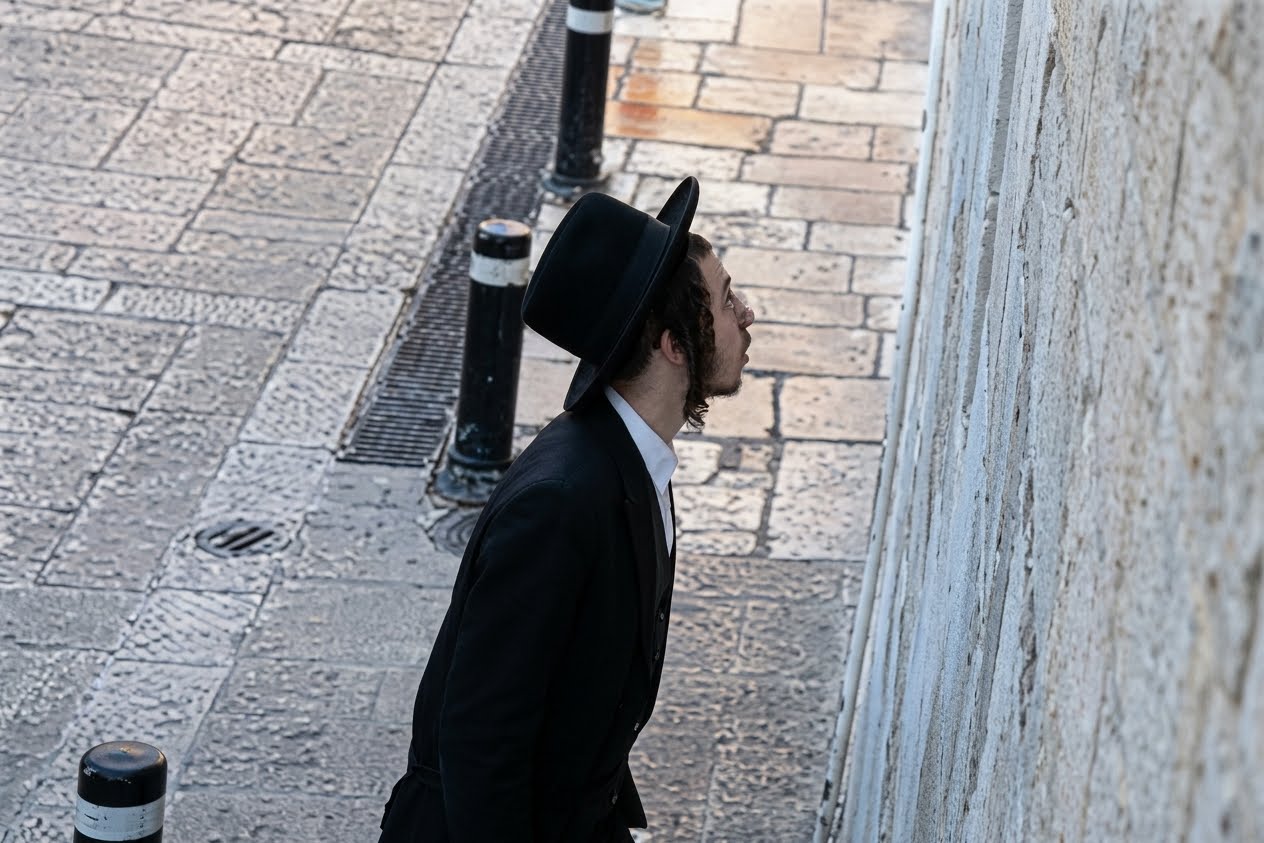 Ultra-Orthodox Jews continue to desecrate Armenian holy sites in Jerusalem’s Armenian Quarter
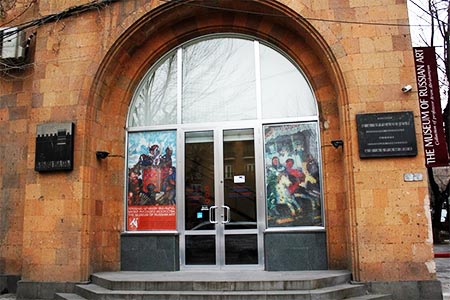 The Yerevan Museum of Russian Art Turns 42
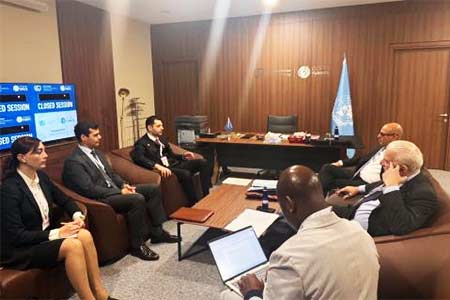 Armenia wants to host COP-34 in 2029
 Speaker: Armenia has never approached the CSTO regarding the Karabakh issue
 Lavrov: Armenia will not be expelled from the CSTO
 Drmeyan: The ECHR rejected Azerbaijan`s appeal in the case of Artsakh Defense Army Major Hayk Toroyan
 "Strong Armenia": The brawl in parliament was staged to distract public attention from Pashinyan`s failed foreign policy
 Zakharova commented on the scandalous epithets of the governor of Armenia`s Shirak region about "Ivanov"
 Nikolai Bordyuzha proposed excluding Armenia from the CSTO.
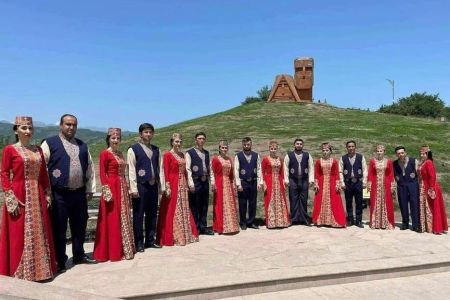 The participation of Artsakh ensembles in an international festival in Vienna was cancelled following the intervention of several foreign embassies