

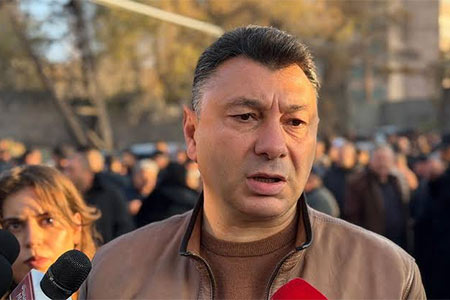
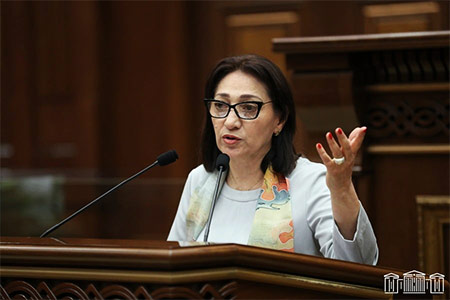
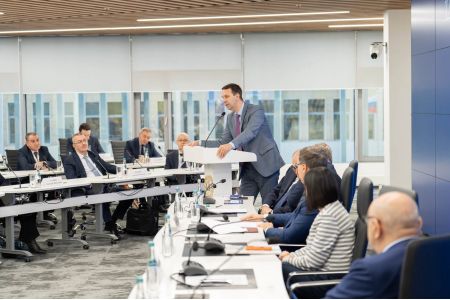
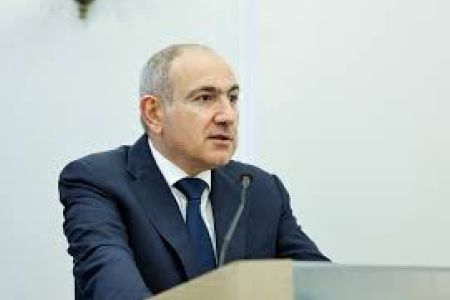
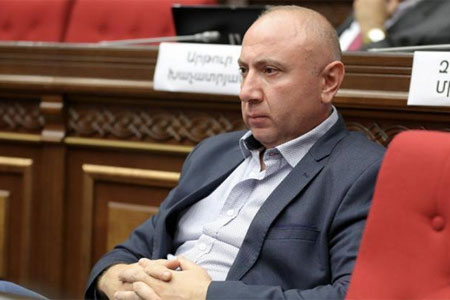
ArmInfo. The right of nations to self-determination is clearly enshrined in the UN Charter, but today international law is applied selectively – in 2023, the people of Artsakh, who fought for this fundamental right, were subjected to ethnic cleansing. This was stated by Eduard Sharmazanov, a member of the board of the Republican Party of Armenia (RPA) and former vice speaker of parliament, during his speech at the General Assembly of the "For Freedom of Nations!" movement in Moscow. The event was organized by the United Russia party.
"The people of Artsakh were forced to leave their land, and the leaders of Artsakh are today illegally held in Baku prisons. The fight for their liberation is the duty of everyone who believes in justice and fights against any manifestation of neocolonialism." "They're trying to convince us that freedom means renouncing one's roots, values, and history," Sharmazanov noted.
However, according to the Republican, true freedom of nations is the right to preserve their identity and build an independent state based on the sovereign will of their people. According to him, the struggle of the people of Artsakh is a struggle for sovereignty and the right to self-determination. "Artsakh is occupied today, and the struggle of the people of Artsakh is for the freedom of nations, and the freedom of nations will triumph over occupation," he said.
He then touched on the situation in Armenia and expressed his conviction that the republic must develop bilateral strategic relations with Russia and actively deepen integration within the Eurasian Economic Union.
According to him, the threat of neocolonialism also directly affects Armenia today. "Under the slogans of integration and unblocking transport corridors, external forces are attempting to turn our country into a logistical appendage devoid of agency. The so-called TRIPP project is a major risk factor in this process. Promoted under the guise of economic prosperity, the international transit project through Armenia's Syunik region poses a direct threat of Armenia's complete loss of control over its own strategic infrastructure, land, and sovereignty to Western transnational corporations and the geopolitical ambitions of Baku and Ankara," Sharmazanov concluded.








 The future of the South Caucasus was discussed in the capital of a country whose problem remains unresolved — Davtyan
 An Armenian orientalist presented possible US actions against Iran
 Expert: Official Yerevan should not base its calculations in relations with Ankara on the "crack" in the Turkish-Azerbaijani alliance
 Speaker: Armenia has never approached the CSTO regarding the Karabakh issue
 Lavrov: Armenia will not be expelled from the CSTO
 Drmeyan: The ECHR rejected Azerbaijan`s appeal in the case of Artsakh Defense Army Major Hayk Toroyan
 "Strong Armenia": The brawl in parliament was staged to distract public attention from Pashinyan`s failed foreign policy
 Zakharova commented on the scandalous epithets of the governor of Armenia`s Shirak region about "Ivanov"
 Nikolai Bordyuzha proposed excluding Armenia from the CSTO.
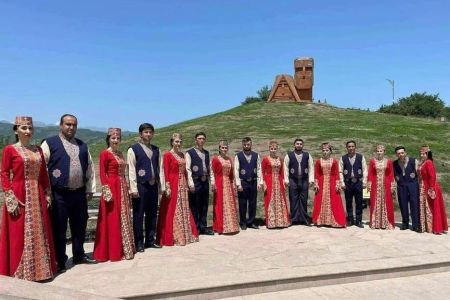 The participation of Artsakh ensembles in an international festival in Vienna was cancelled following the intervention of several foreign embassies
 Expert: It`s time for Armenia to move away from uncertainty and choose between West and East
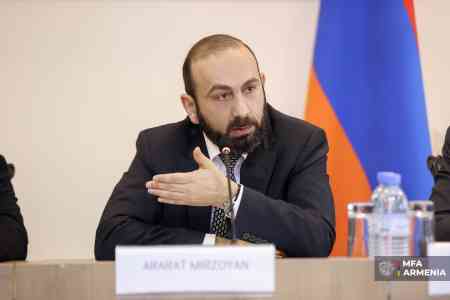 The Armenian Foreign Minister commented on the country`s return to work within the CSTO.
 The Artsakh Public Council expressed outrage at the UN Secretary-General`s behavior
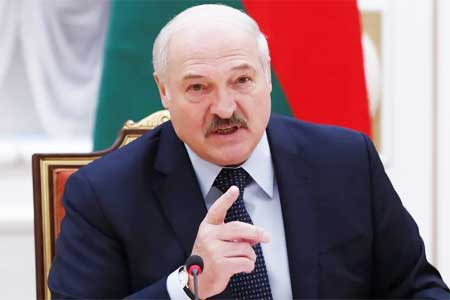 Lukashenko called for Armenia to assume the CIS presidency in 2029
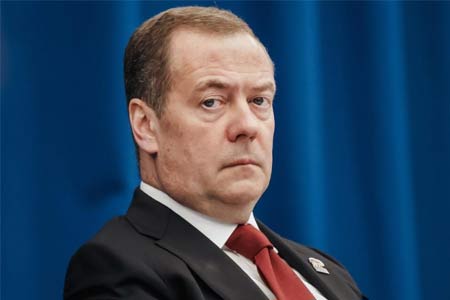 Dmitry Medvedev predicted a Ukrainian-like fate for Armenia amid the country`s shift in foreign policy
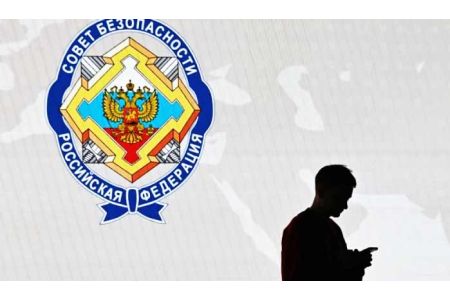 Russian Security Council: In Armenia, they want to force Russian asset owners to dispose of their assets
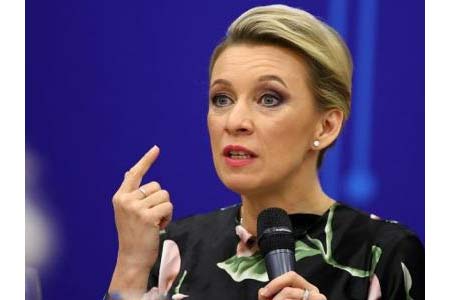 Zakharova: Russia ready to discuss with Armenia the prospects for expanding military cooperation as part of a review of bilateral ties
 Tevanyan: Armenia, like Ukraine and Moldova, is being drawn into the EU’s global war