
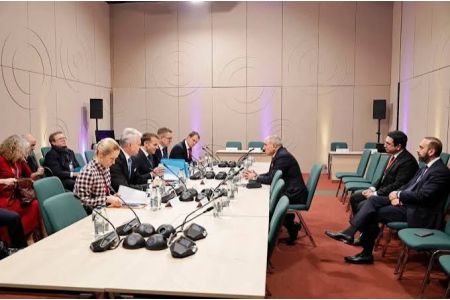
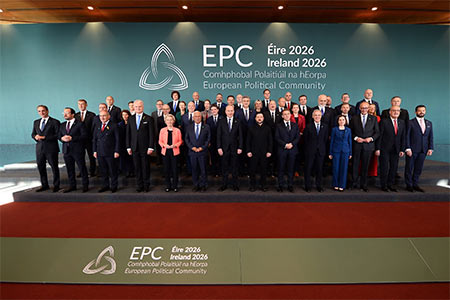
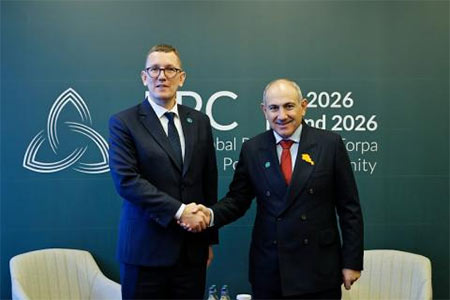
ArmInfo. The leaders of the Core Support Group for Armenia issued a statement following their meeting with Armenian Prime Minister Nikol Pashinyan, which took place in Dublin on the sidelines of the European Political Community Summit.
"We reaffirm our support for the sovereignty, territorial integrity, stability, independence, and sustainability of the Republic of Armenia. Five months ago, parliamentary elections were held in Armenia. "They enabled the Armenian people to make a clear choice in favor of peace, democracy, and closer ties with Europe, despite Russia's multifaceted interference," reads a statement published on the European Commission's website.
The statement asserts that "since then, Russia's direct political and economic pressure on Armenia has only intensified."
"Russia has imposed unprecedented restrictions on Armenian exports and now threatens to use energy supplies as a means of intimidation. In response, we are taking action to enable Armenia to defend its sovereignty and freely choose its destiny." We will continue to support Armenia in diversifying its economic partnerships, particularly in trade and energy, building on the European Union's decision to suspend tariffs on 80% of Armenian exports to the EU," the statement continues.
"We recognize the European aspirations of the Armenian people and will continue to support Armenia's efforts to build a prosperous and sustainable democracy and a successful economy, fully integrated into regional connectivity networks and international trade flows. We also support the peace process between Armenia and Azerbaijan, as well as the significant progress achieved since the meeting in Washington in August 2025, and the normalization process between Armenia and Turkey. We call for further efforts in this direction for the benefit of the peoples of Armenia and Azerbaijan, as well as the entire region," the statement continues.
It is noted that the meeting was initially attended by leaders and representatives of Estonia, France, Latvia, Lithuania, the United Kingdom, and the High Representative of the Union for Foreign Affairs and Security Policy. They were then joined by representatives of Germany, the Netherlands, Norway, Poland, the President of the European Council and the President of the European Commission.




 Expert: Official Yerevan should not base its calculations in relations with Ankara on the "crack" in the Turkish-Azerbaijani alliance
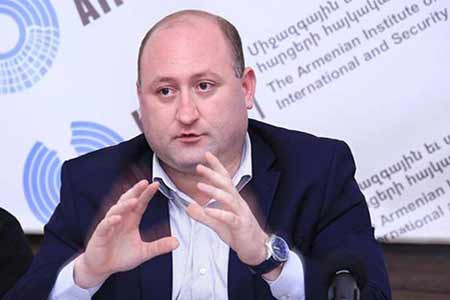 International expert: Trump is entering a "lame duck" period of rule
 Lavrov: Armenia will not be expelled from the CSTO
 Drmeyan: The ECHR rejected Azerbaijan`s appeal in the case of Artsakh Defense Army Major Hayk Toroyan
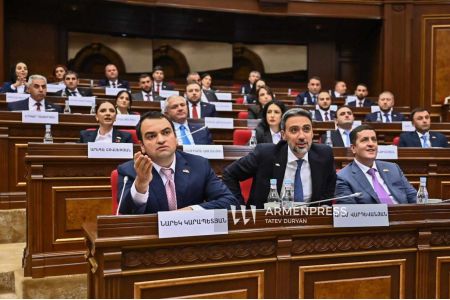 "Strong Armenia": The brawl in parliament was staged to distract public attention from Pashinyan`s failed foreign policy
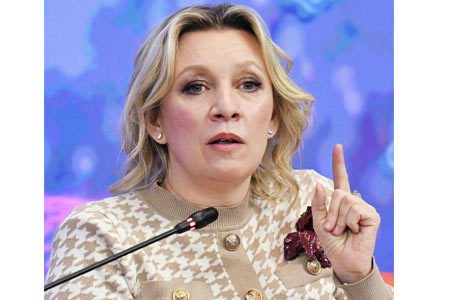 Zakharova commented on the scandalous epithets of the governor of Armenia`s Shirak region about "Ivanov"
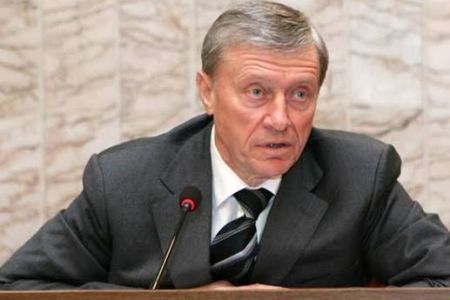 Nikolai Bordyuzha proposed excluding Armenia from the CSTO.
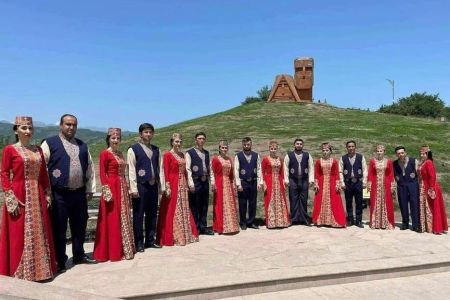 The participation of Artsakh ensembles in an international festival in Vienna was cancelled following the intervention of several foreign embassies
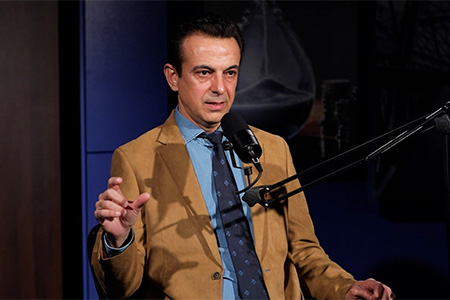 Expert: It`s time for Armenia to move away from uncertainty and choose between West and East
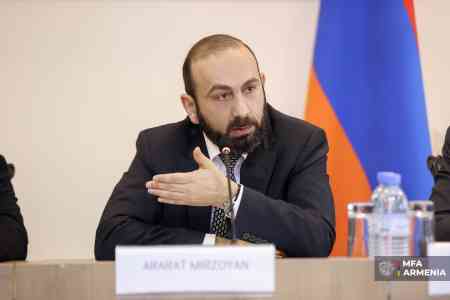 The Armenian Foreign Minister commented on the country`s return to work within the CSTO.
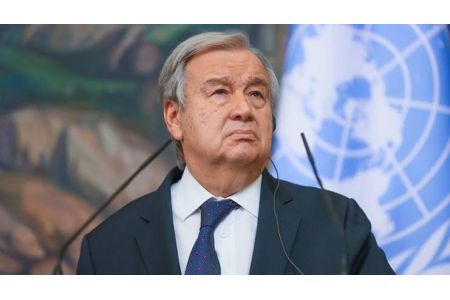 The Artsakh Public Council expressed outrage at the UN Secretary-General`s behavior
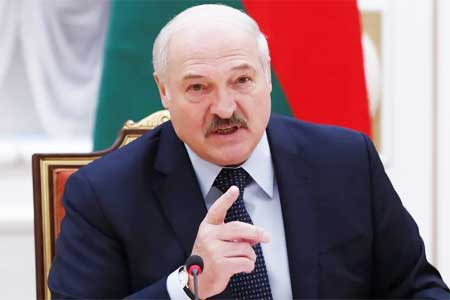 Lukashenko called for Armenia to assume the CIS presidency in 2029
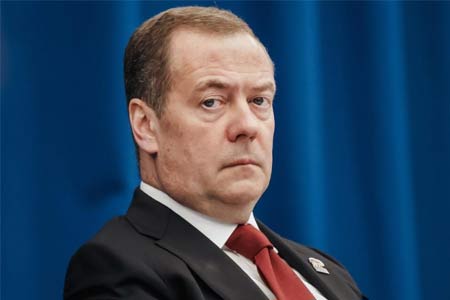 Dmitry Medvedev predicted a Ukrainian-like fate for Armenia amid the country`s shift in foreign policy
 Russian Security Council: In Armenia, they want to force Russian asset owners to dispose of their assets
 Zakharova: Russia ready to discuss with Armenia the prospects for expanding military cooperation as part of a review of bilateral ties
 Tevanyan: Armenia, like Ukraine and Moldova, is being drawn into the EU’s global war