

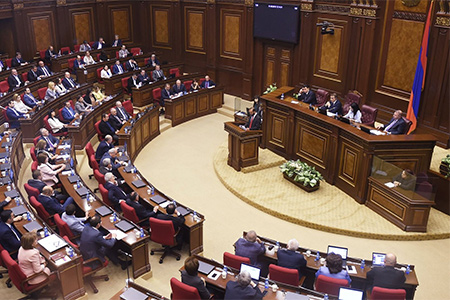
ArmInfo. At its plenary session on October 6, the National Assembly of the Republic of Armenia passed amendments to the Law "On Holidays and Memorable Dates" in the first reading. This amendment concerns Civil Servant's Day, which will be celebrated on June 23.
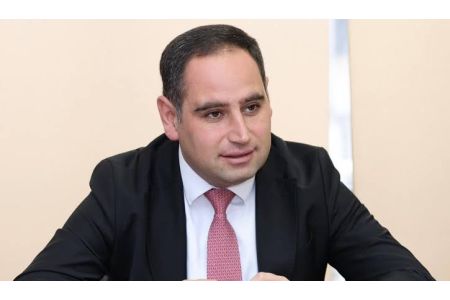
Presenting the amendments, Vache Kalashyan, Head of the Civil Service Department of the Prime Minister's Office, noted that Civil Servant's Day is intended to emphasize that all civil servants participate in the common mission of protecting public interests, improving the effectiveness of public administration, and providing quality services to citizens. Regardless of the nature of the function performed by the civil servant—law enforcement, administrative, social, oversight, or any other function of public importance—their activities are ultimately aimed at serving the public interest. Therefore, a more comprehensive and systemic approach is necessary. In order to appreciate this activity and highlight the role of the civil service, it is necessary to establish a single day for all civil servants, rather than establish a separate day for each service. This approach is based on the principle: "Different functions, different professions, but one common state mission," which is consistent with the logic of modern public administration, within which the activities of various government agencies are viewed as an integral part of a single, unified system of governance.
It should be noted that on December 20, 2002, the UN General Assembly, by resolution 57/277, declared June 23 as Public Service Day. According to paragraph 3 of this resolution, the UN calls on Member States to organize special events on this day to highlight the contribution of the civil service to the development process of states. The adoption of the bill is intended to appreciate, encourage, and strengthen the role of civil servants in the sustainable development of the country, the effective provision of public services, the introduction of innovative approaches, and the implementation of a unified state policy.



















 Azerbaijani Studies Expert: While Azerbaijan Prepares Its Generation for War, Aliyev’s Aide Calls on Armenia to Prepare Armenian Society for “Peace”
 Turkologist: Azerbaijan will never, under any circumstances, stop pressuring the Armenian people
 Political scientist: We need to move away from the question of "when" and replace it with more important questions
 International Law Specialist: Azerbaijan intends to initiate legal proceedings against Armenia by sentencing Armenian prisoners
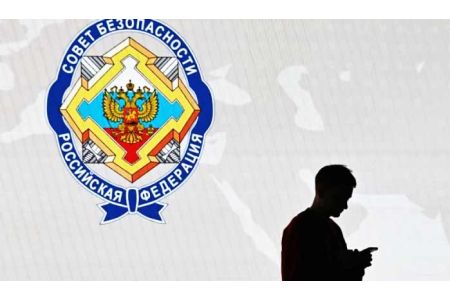 Russian Security Council: In Armenia, they want to force Russian asset owners to dispose of their assets
 Zakharova: Russia ready to discuss with Armenia the prospects for expanding military cooperation as part of a review of bilateral ties
 Tevanyan: Armenia, like Ukraine and Moldova, is being drawn into the EU’s global war
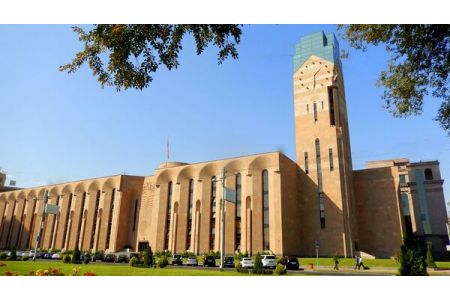 Yerevan City Hall is considering introducing a valet parking system in the city
 Expert: The circus surrounding the “Albanization” of Armenian culture in the presence of foreign ambassadors in occupied Artsakh is genocide
 Political scientist: If Russian-Armenian relations are destroyed, Turkey will take Russia`s place
 Political scientist: The Armenian public is simply obliged to significantly change the entire content of public discourse and struggle
 Cross tattoos are being removed from the skin of Christian prisoners in Azerbaijan by fire, according to a human rights activist.
 Zakharova: Armenia`s likely introduction of visas with Russia will be a step against Yerevan itself
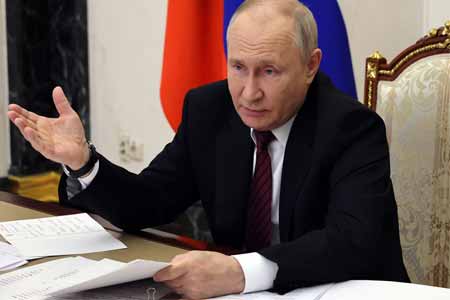 Putin: Armenia`s recognition of Karabakh as part of Azerbaijan in Prague has given Russia`s position on this issue an ambivalent character
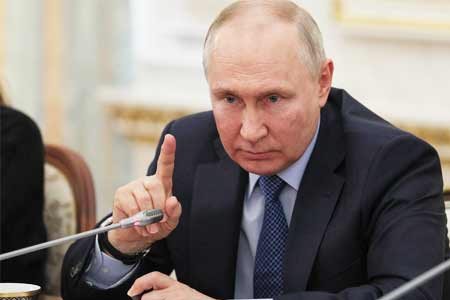 Putin: Armenia`s adoption of the law on EU accession means an announcement of its withdrawal from the Eurasian Economic Union
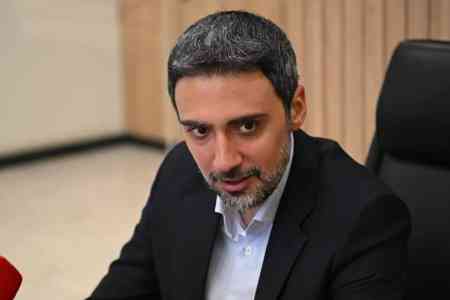 Aram Vardevanyan: Public demands solutions, not apology scandals in Parliament
 Arrested Armenian oligarch on economy and new jobs