
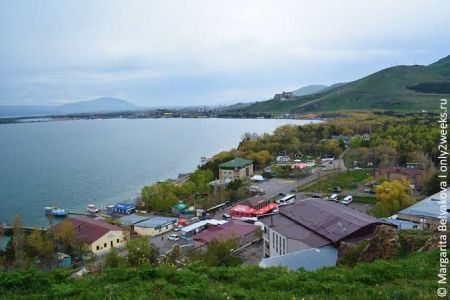
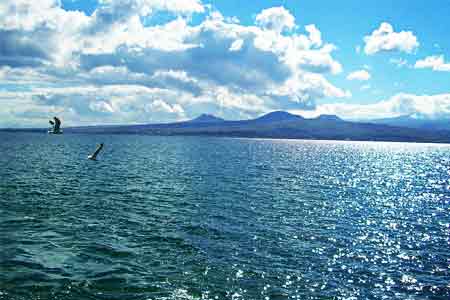
ArmInfo. At its October 1 meeting, the Armenian government approved an annual program of measures for the restoration, conservation, restoration, and use of the Lake Sevan ecosystem.
As noted in the rationale for the draft decision, the program includes a number of measures, the implementation of which is expected to improve
the ecological balance of Lake Sevan, preserve the biodiversity of the lake's ecosystems and its catchment area, and increase the efficiency of biological resource use. The program focuses on the design and construction of treatment facilities, the effective development of recreation, the improvement of the management system of Sevan National Park, and the development and implementation of socio-economic territorial development programs.
With changing water regimes and levels of Lake Sevan, the presence of existing buildings, infrastructure, and other structures in flood-prone areas may cause additional anthropogenic impacts on water quality and the ecosystem, as well as problems related to swamping processes, efficient use of water resources, and proper land management. To this end, the annual program includes measures to clean and dismantle underwater buildings and structures in flooded areas around Lake Sevan, including below the absolute mark of 1901.5 meters, as well as compliance with legal grounds and contractual requirements for land use. The project includes the dismantling of at least 150 buildings and structures in flood-prone areas below the absolute elevation of 1901.5 meters, removal of the resulting debris, and cleanup of the affected areas. Concurrently, it is planned to study the legal basis for land use, contracts, state registration data, land plot boundaries, and actual use of approximately 200 land plots located below the absolute elevation of 1905.0 meters within Sevan National Park, as well as compliance with rent and contractual terms.
The goal of the project is to minimize the potential negative impact on the Lake Sevan ecosystem caused by existing structures and waste accumulation in flood-prone areas.











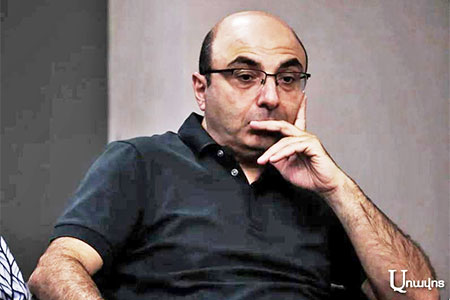 Political scientist: We need to move away from the question of "when" and replace it with more important questions
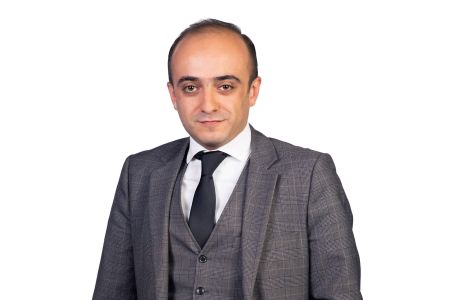 International Law Specialist: Azerbaijan intends to initiate legal proceedings against Armenia by sentencing Armenian prisoners
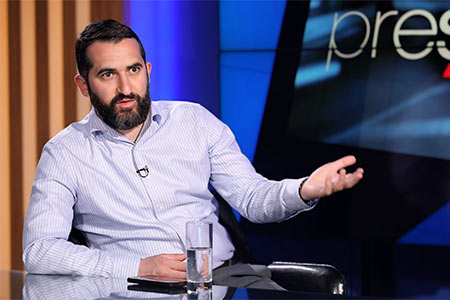 An Armenian Turkologist spoke out against attempts to deny the value of Artsakh and the liberation of Armenia.
 Russian political scientist: Moscow`s reaction to the TRIPP project will largely depend on the trend in Russian-American relations
 Armenian Political Scientist: The approaches, methods, rmphases and content of today’s struggle in Armenia Cannot Remain the Same
 Russian Security Council: In Armenia, they want to force Russian asset owners to dispose of their assets
 Zakharova: Russia ready to discuss with Armenia the prospects for expanding military cooperation as part of a review of bilateral ties
 Tevanyan: Armenia, like Ukraine and Moldova, is being drawn into the EU’s global war
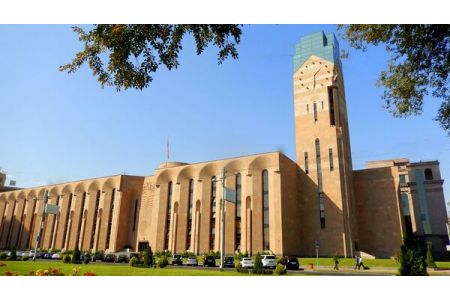 Yerevan City Hall is considering introducing a valet parking system in the city
 Expert: The circus surrounding the “Albanization” of Armenian culture in the presence of foreign ambassadors in occupied Artsakh is genocide
 Political scientist: If Russian-Armenian relations are destroyed, Turkey will take Russia`s place
 Political scientist: The Armenian public is simply obliged to significantly change the entire content of public discourse and struggle
 Cross tattoos are being removed from the skin of Christian prisoners in Azerbaijan by fire, according to a human rights activist.
 Zakharova: Armenia`s likely introduction of visas with Russia will be a step against Yerevan itself
 Putin: Armenia`s recognition of Karabakh as part of Azerbaijan in Prague has given Russia`s position on this issue an ambivalent character
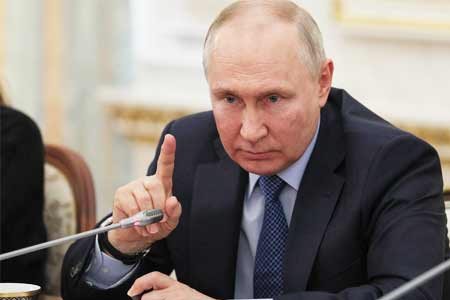 Putin: Armenia`s adoption of the law on EU accession means an announcement of its withdrawal from the Eurasian Economic Union
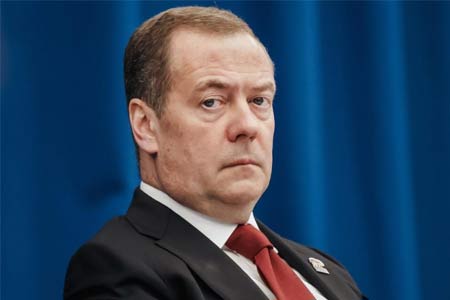 Medvedev: Yerevan will never become an EU member, but it will permanently damage relations with the Eurasian Economic Union, including with Moscow.
 Arrested Armenian oligarch on economy and new jobs
 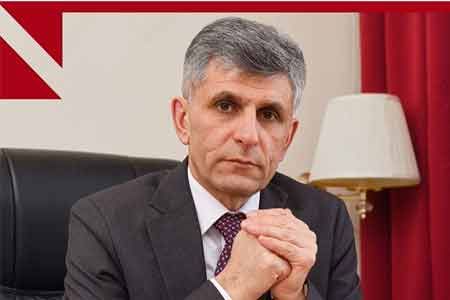 "In Baku, we gave a worthy rebuff to the false claims regarding the past and present of our people" – Former Artsakh Parliament Speaker from Baku captivity