

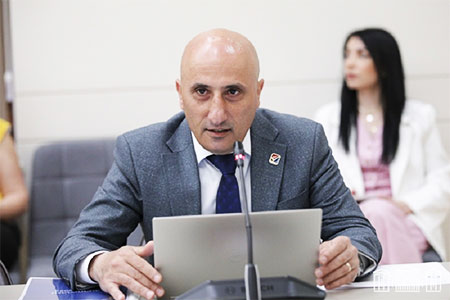
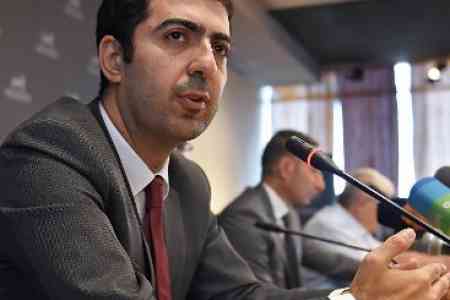
ArmInfo. Since May 10, various information systems in Armenia, including the Central Electoral Commission's system, have been subject to periodic cyberattacks. CEC Chairman Vahagn Hovakimyan announced this at a briefing for journalists on September 18.
However, as the CEC head noted, these attacks, which were periodic in nature, did not affect the election results. "I am not a cybersecurity specialist. There is a specialized structure – the Information Systems Agency of Armenia. We do not ensure this security; it is provided by a professional structure. As CEC Chairman, I simply receive reports on the results," Hovakimyan said.
When asked why the CEC did not contact the relevant authorities to investigate the case, Hovakimyan replied that the security of the commission's system was initially ensured by a specialized structure. "A cyberattack is not a report of a crime. This is a different process, and the relevant structures are involved. I can publish what I have published, but I do not know the other details. The scale and volume to which the Armenian Information Systems Agency will publish later is their professional decision," the CEC Chairman noted, without specifying from which servers or the country these cyberattacks were carried out. Moreover, the CEC Chairman is not aware of whether there is a mandatory legal requirement to initiate a criminal case in such cases. Nevertheless, according to the CEC Chairman, even a successful attack on the system could not change the election results, since they are based on paper protocols from polling stations. "The results of our elections are on paper. All participating parties, observers and journalists can have these protocols. If they had managed to damage the system, they would simply have stopped the publication we were doing online. In this case, the statement about the cessation of online publication of results would have been true, but this did not happen,” Vahagn Hovakimyan emphasized.


































 Armenian Historian: People Like Magdalena Grono Should Be Kept Away from the Thresholds of Armenian Shrines
 Azerbaijani studies expert: Armenia’s Foreign Ministry could use the ICC against Aliyev’s Armenophobic statements
 An Armenian political analyst exposed Hajiyev’s lies and attempts to mislead diplomats accredited in Azerbaijan in occupied Artsakh
 Expert: The circus surrounding the “Albanization” of Armenian culture in the presence of foreign ambassadors in occupied Artsakh is genocide
 Zakharova: Russia ready to discuss with Armenia the prospects for expanding military cooperation as part of a review of bilateral ties
 Tevanyan: Armenia, like Ukraine and Moldova, is being drawn into the EU’s global war
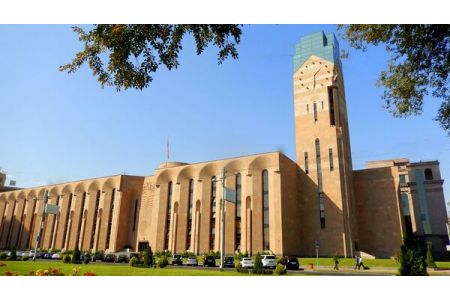 Yerevan City Hall is considering introducing a valet parking system in the city
 Political scientist: If Russian-Armenian relations are destroyed, Turkey will take Russia`s place
 Political scientist: The Armenian public is simply obliged to significantly change the entire content of public discourse and struggle
 Cross tattoos are being removed from the skin of Christian prisoners in Azerbaijan by fire, according to a human rights activist.
 Zakharova: Armenia`s likely introduction of visas with Russia will be a step against Yerevan itself
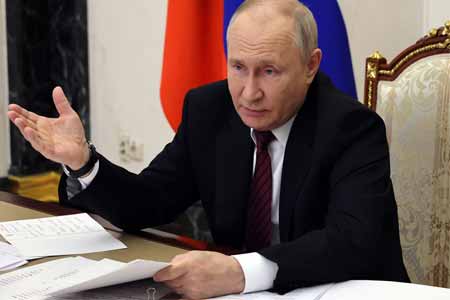 Putin: Armenia`s recognition of Karabakh as part of Azerbaijan in Prague has given Russia`s position on this issue an ambivalent character
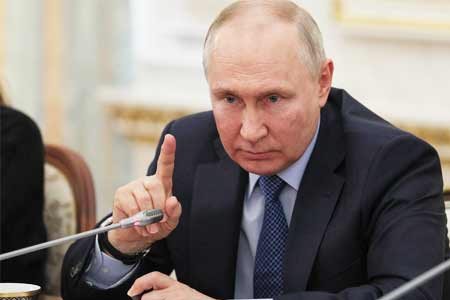 Putin: Armenia`s adoption of the law on EU accession means an announcement of its withdrawal from the Eurasian Economic Union
 Medvedev: Yerevan will never become an EU member, but it will permanently damage relations with the Eurasian Economic Union, including with Moscow.
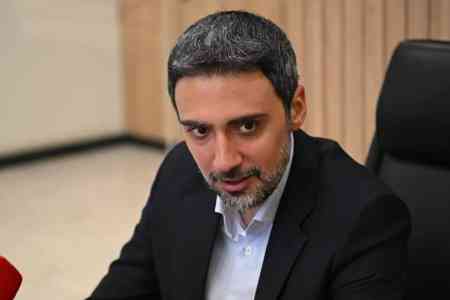 Aram Vardevanyan: Public demands solutions, not apology scandals in Parliament
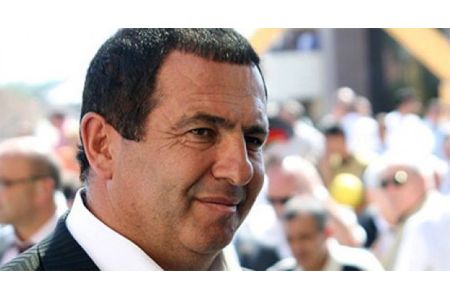 Arrested Armenian oligarch on economy and new jobs
  "In Baku, we gave a worthy rebuff to the false claims regarding the past and present of our people" – Former Artsakh Parliament Speaker from Baku captivity
  NA Vice Speaker candidate believes his wife`s salary as director of HayPost is the lowest in the company`s history