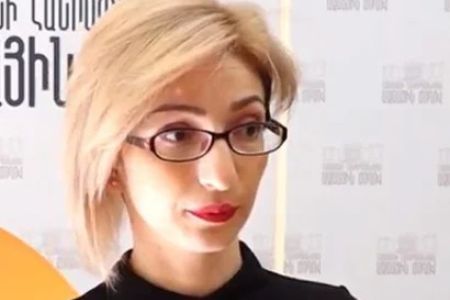
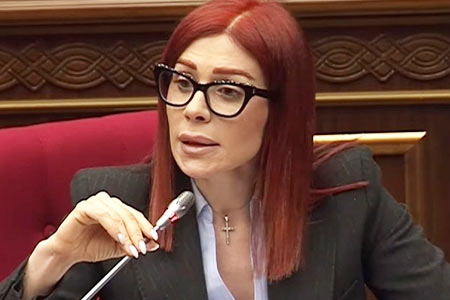
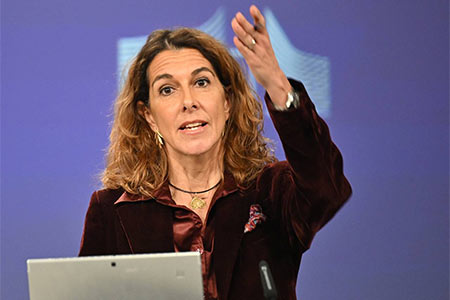
ArmInfo. According to preliminary data, the introduction of a visa-free regime between Armenia and the European Union is planned for 2029. Taguhi Ghazaryan, a member of the National Assembly of the Republic of Armenia from the ruling Civil Contract faction, told journalists this on September 8, commenting on the statements of the official representative of the European Commission, Paula Pinho, that it is premature to name a specific year (including 2029, which the Armenian leadership is counting on), since the negotiation process is ongoing.
Meanwhile, as Taguhi Ghazaryan emphasized, Armenia is currently implementing an action plan in this direction, which does not envisage either a rollback or a forward movement. The MP noted that if the program cannot be implemented by the specified deadline, The deadlines may indeed be extended, but if the document is fully implemented, there is no point in talking about a postponement. "The deadline itself is preliminary; it could be 2028 or 2030. The Armenian side needs to resolve a number of procedural and technical issues. For example, the biometric passport issue should be resolved in the fall, and human rights issues next year. In short, by resolving all these issues one by one, the country is gradually getting closer to its cherished goal," said a representative of the ruling party.
Responding to a question about whether the government's current efforts to normalize relations with Russia would become an obstacle to visa liberalization with the EU, Taguhi Ghazaryan recalled the well-known proverb: don't look for a black cat in a dark room, especially if there isn't one. While pointing to the political nature of the Russian Federation's restrictions on Armenian agricultural exports, the MP nevertheless noted that official Yerevan is striving for a civilized approach to the existing problems. She emphasized that the ruling faction had reviewed all documents related to Russia and the EAEU, and they contained no mention of steps directed against Armenia in its efforts to diversify its foreign policy and exports. "We adopted a law that is more of a demonstration and does not contradict EAEU regulations.
As an example, I can cite quotas granted to the republic for certain operations, for example, for the import of electric vehicles. We are members of the EAEU and should take advantage of the benefits provided within the Eurasian Economic Union," Taguhi Ghazaryan noted.






 Political scientist: The model of allied relations between Russia and Armenia has collapsed
 Expert: The defeated authorities` position on normalizing relations with the enemy should not affect the rights of Artsakh refugees
 Expert: Fourth Republic is not to begin with Kocharyan`s arrest
 Expert: Armenia continues to `peel away` from Russian-led military-political and economic structures
 Cross tattoos are being removed from the skin of Christian prisoners in Azerbaijan by fire, according to a human rights activist.
 Zakharova: Armenia`s likely introduction of visas with Russia will be a step against Yerevan itself
 Putin: Armenia`s recognition of Karabakh as part of Azerbaijan in Prague has given Russia`s position on this issue an ambivalent character
 Putin: Armenia`s adoption of the law on EU accession means an announcement of its withdrawal from the Eurasian Economic Union
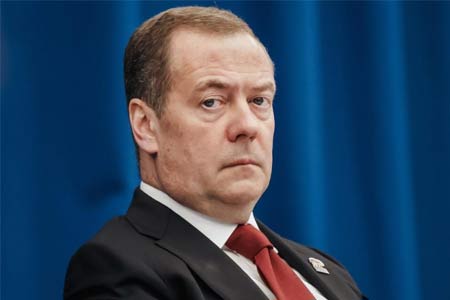 Medvedev: Yerevan will never become an EU member, but it will permanently damage relations with the Eurasian Economic Union, including with Moscow.
 Arrested Armenian oligarch on economy and new jobs
 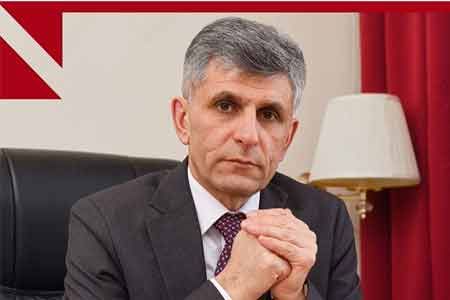 "In Baku, we gave a worthy rebuff to the false claims regarding the past and present of our people" – Former Artsakh Parliament Speaker from Baku captivity
  NA Vice Speaker candidate believes his wife`s salary as director of HayPost is the lowest in the company`s history
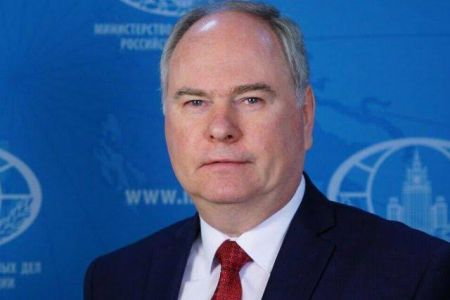 RF Permanent Representative: There is no CSTO-Armenia conflict
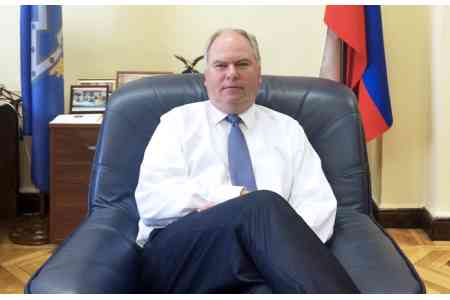 Moscow: NATO seeking to "Pull" Armenia away from CSTO Allies
 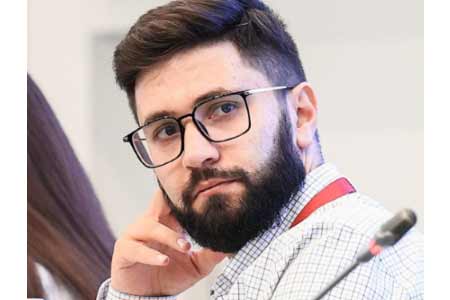 Political analyst: Russia intends to determine which "Camp" Armenia will choose through a referendum
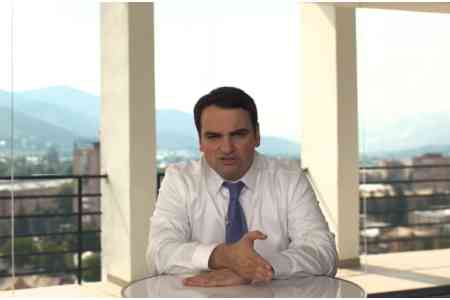 Narek Karapetyan will give up his parliamentary salary in favor of charitable contributions.