

ArmInfo. The funeral of Iran's assassinated Supreme Leader Ali Khamenei became a central event not only for the Middle East but also for the broader international agenda, and was effectively a diplomatic inventory of Iran's contacts.
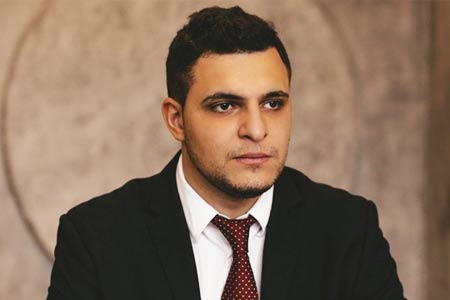
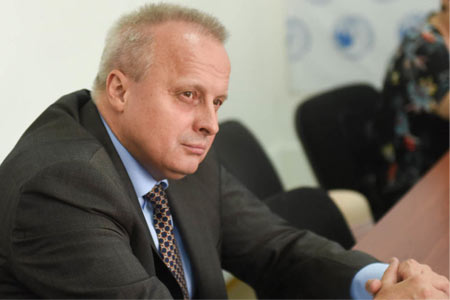
Sergey Melkonyan, PhD in history and research fellow at APRI Armenia, shares a similar opinion.
The expert noted that there are few leaders in the world today of such stature, whose funerals can last almost a week and attract millions of people. Melkonyan also noted that, as a rule, such events always have not only a domestic but also an international context.
"The level of participation of foreign delegations, especially from neighboring states, is indicative. While Turkey also had a reduced status (as Deputy Prime Minister), Azerbaijan lowered the bar even further by sending the Speaker of Parliament. It's likely that after the incident in Nakhichevan, Aliyev couldn't afford to personally participate in the funeral procession," the expert believes.
Melkonyan added that the Israeli government's recent decision on recognizing the Armenian Genocide and Baku's subsequent dissatisfaction theoretically gave Azerbaijan a diplomatic opportunity to demonstrate its distance from Israel and personally express solidarity with Iran. "However, this did not happen. This demonstrates not only Azerbaijan's continued deep mistrust of Iran, but also Baku's unwillingness to reconsider its close and deep ties with Israel," he asserted.




















 Azerbaijani studies expert : Ruben Vardanyan’s wife threatened with arrest if she visits Baku
 Political scientist: The model of allied relations between Russia and Armenia has collapsed
 Expert: The defeated authorities` position on normalizing relations with the enemy should not affect the rights of Artsakh refugees
 Political scientist: If Russian-Armenian relations are destroyed, Turkey will take Russia`s place
 Political scientist: The Armenian public is simply obliged to significantly change the entire content of public discourse and struggle
 Cross tattoos are being removed from the skin of Christian prisoners in Azerbaijan by fire, according to a human rights activist.
 Zakharova: Armenia`s likely introduction of visas with Russia will be a step against Yerevan itself
 Putin: Armenia`s recognition of Karabakh as part of Azerbaijan in Prague has given Russia`s position on this issue an ambivalent character
 Putin: Armenia`s adoption of the law on EU accession means an announcement of its withdrawal from the Eurasian Economic Union
 Medvedev: Yerevan will never become an EU member, but it will permanently damage relations with the Eurasian Economic Union, including with Moscow.
 Aram Vardevanyan: Public demands solutions, not apology scandals in Parliament
 Arrested Armenian oligarch on economy and new jobs
  "In Baku, we gave a worthy rebuff to the false claims regarding the past and present of our people" – Former Artsakh Parliament Speaker from Baku captivity
  NA Vice Speaker candidate believes his wife`s salary as director of HayPost is the lowest in the company`s history
 RF Permanent Representative: There is no CSTO-Armenia conflict
 Moscow: NATO seeking to "Pull" Armenia away from CSTO Allies
  Political analyst: Russia intends to determine which "Camp" Armenia will choose through a referendum
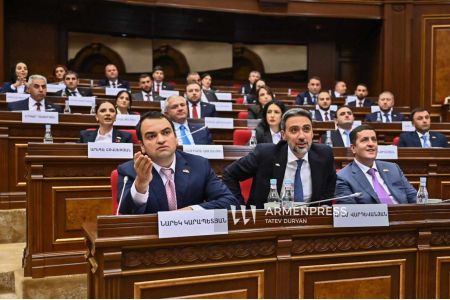
 Narek Karapetyan will give up his parliamentary salary in favor of charitable contributions.