
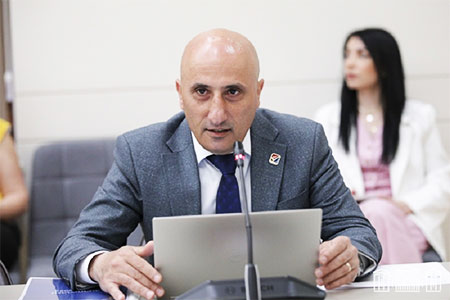
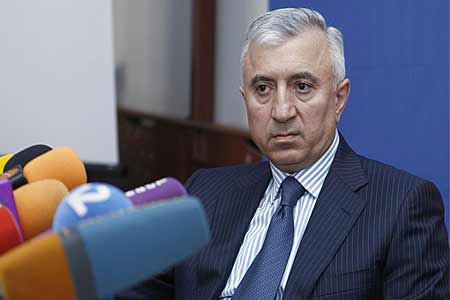
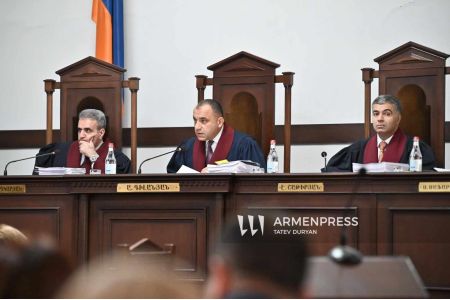
ArmInfo. Chairman of the Central Electoral Commission (CEC) Vahagn Hovakimyan asserted that the discrepancy of 27,800 votes—cited by opposition forces filing the lawsuit—between the number of signatures in voter registers and the actual number of voters is inaccurate. He made this statement during a Constitutional Court hearing on June 27.
According to Hovakimyan, the data in question stems from 340 polling stations, 86 of which were locations where military personnel cast their votes.
He noted that at 30 other polling stations, "a simple miscalculation occurred." He suggested that artificial intelligence—potentially including various free versions—may have been used during the data processing. "The fact is that a miscalculation was made at these stations. The difference amounted to approximately 8,000 votes," the CEC head stated.
At the same time, he acknowledged the presence of technical errors, against which no one is immune, as well as invalid ballots, which accounted for 1.15% of the total. "If you subtract those 8,000 votes, and then exclude the data from stations where military personnel voted and other factors, it becomes evident that there is no discrepancy of 27,814 votes," Hovakimyan said, adding that the plaintiffs relied on preliminary, rather than final, CEC data. He promised that in his concluding statement at the Constitutional Court hearing, he would present precise calculations. According to him, the actual discrepancy is approximately 100 votes.
For her part, Deputy Chair of the CEC Nune Hovhannisyan stated that irregularities at individual polling stations cannot serve as grounds for invalidating the election results. She emphasized that an election can only be declared invalid if the violations were so widespread that they made it impossible to determine the true outcome of the vote.






















 Political Scientist: As long as the opposition remains silent, Pashinyan can use Plan B and secure a constitutional majority
 US-Iranian memorandum more beneficial for Iran from political and economic perspective - expert
  Political analyst: While Pashinyan pledges peace with Azerbaijan, Baku continues promoting the "Western Azerbaijan" project
 Political analyst: In light of new realities, Yerevan may propose advancing peace process with Baku without constitutional referendum
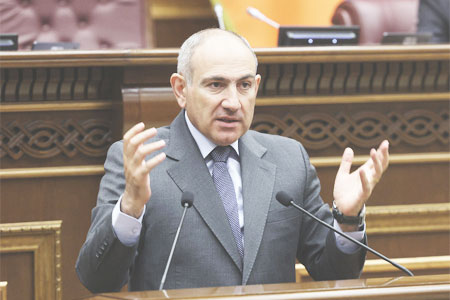 It`s time for South Caucasus countries to think of South Caucasus as single, unified region - RA premier
  Pashinyan: Armenia and Azerbaijan should leave each other alone
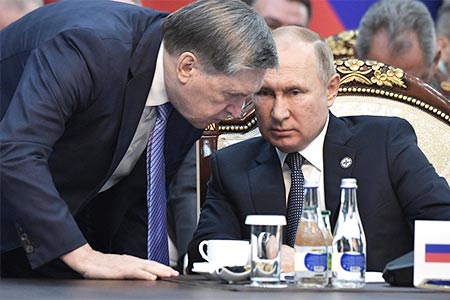 Moscow sees situation with Armenia as attempt to attack Russia-involving integration associations - Russian presidential aid
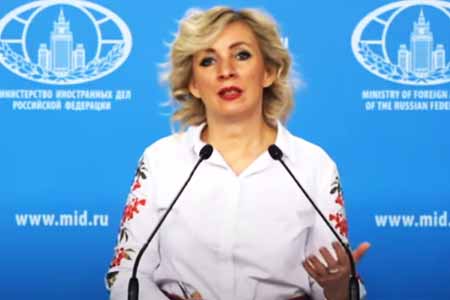 Zakharova: Armenia views relations with Russia as tool for financially securing reorientation toward EU
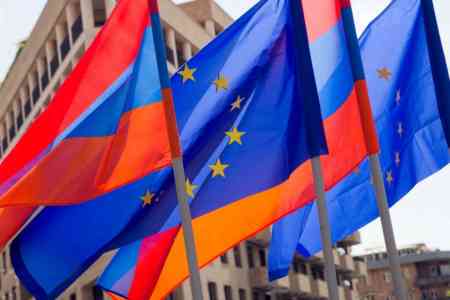 The Armenian Minister of Justice and the EU Ambassador discussed visa liberalization issues for Yerevan.
 Azerbaijan`s aggressive plans against Armenia became possible in wake of Pashinyan`s decisions on Artsakh - expert
 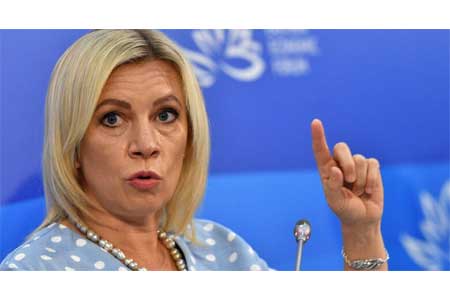 Zakharova: Russia sent a note of protest to Armenia over the act of vandalism at the "Mother Armenia" memorial in Gyumri
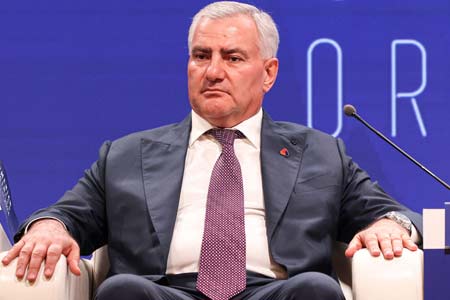 Samvel Karapetyan proposes creating a post-election opposition coalition
 Artsakh`s Cultural Heritage Ombudsman called on Moscow to respond to destruction of WWII monuments by Azerbaijan in occupied NKR
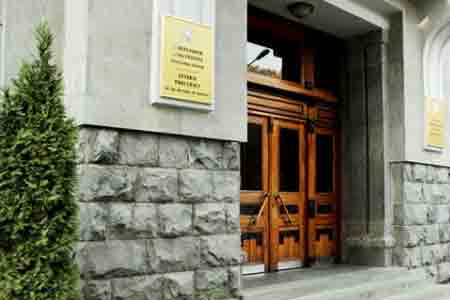 Prosecutor General`s Office petitions Central Electoral Commission for criminal prosecution of Robert Kocharyan
 Dutch Prime Minister expresses his support for Armenia`s democratic reform and economic diversification agenda
 Heritage: It`s time for Armenia`s opposition to present people with legitimate alternative to power
 RA Security Council Sec, Assistant to President of Azerbaijan hold negotiations in Dilijan
  CEC Neutralizes PAP: Three Political Forces to Enter Armenian Parliament Following Election Vote