

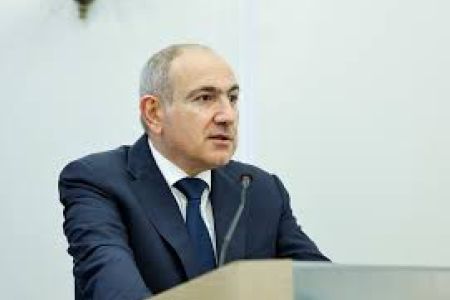
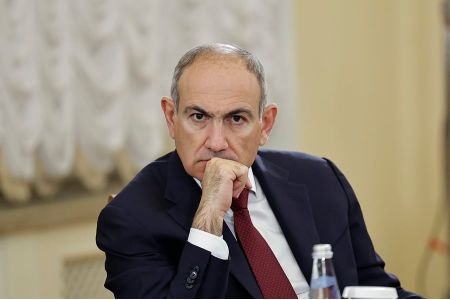
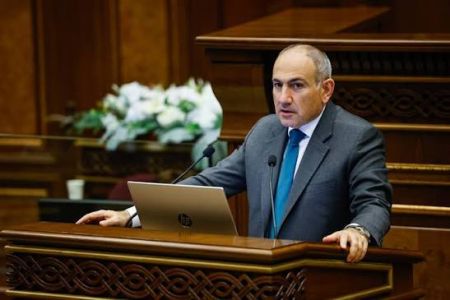
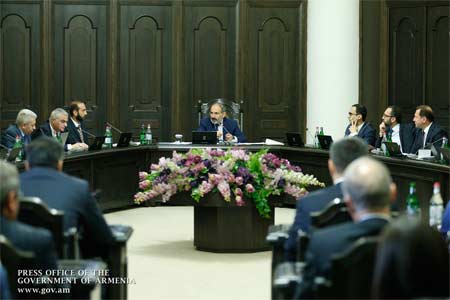
Arminfo. Reforming the public administration system is one of the most complex and, at the same time, one of the most important areas of reform. Prime Minister of the Republic of Armenia Nikol Pashinyan stated this at a government meeting on September 17.
According to him, these reforms are an attempt to address strategic objectives aimed at strengthening the state and the state system, as well as raising the status of the state system. The prime minister noted that the system of bonuses for public-sector employees introduced in 2018 has been one of the main targets of criticism from the Armenian opposition. The pilot program to reform the system launched in 2025, as the head of government noted, came under serious pressure. At the time, concerns were voiced that it would be impossible to go to elections while continuing this program, which could have affected the formation of the ruling majority. "But I am very glad that we managed to withstand all the challenges. Ultimately, all these reforms are being carried out for the citizens of the country," Nikol Pashinyan emphasized. He added that one of the areas of reform is that a public official has no right to receive gifts.
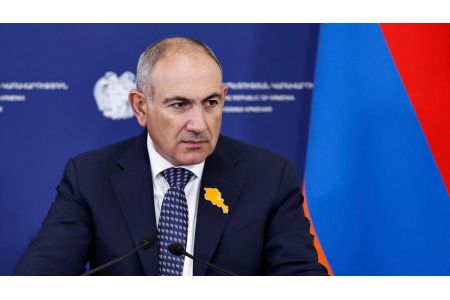
Vice Prime Minister Tigran Khachatryan, who presented the pilot program, noted that it has been in operation for just over a year. The project to introduce a KPI (key performance indicators) assessment system
was established for a number of ministries and agencies. The aim of the system is to increase the efficiency of the public administration system, provide incentives for high results in the implementation of government programs, bring the salaries of civil servants into line with the results achieved, and improve the efficiency of work within the public administration system.
It should be recalled that the government introduced a KPI (key performance indicators) assessment system for ministries and agencies. It is intended to assess how effectively specific government bodies carry out the functions and programs assigned to them. At the first stage, priority assessment concerns 12 ministries, as well as the State Revenue Committee (SRC) and the Urban Development Committee. The purpose of the innovation
- is to increase labor productivity, link the remuneration of officials to the actual results of their work, and encourage their continuous training.































 Armenian Historian: People Like Magdalena Grono Should Be Kept Away from the Thresholds of Armenian Shrines
 Azerbaijani studies expert: Armenia’s Foreign Ministry could use the ICC against Aliyev’s Armenophobic statements
 An Armenian political analyst exposed Hajiyev’s lies and attempts to mislead diplomats accredited in Azerbaijan in occupied Artsakh
 Expert: The circus surrounding the “Albanization” of Armenian culture in the presence of foreign ambassadors in occupied Artsakh is genocide
 Zakharova: Russia ready to discuss with Armenia the prospects for expanding military cooperation as part of a review of bilateral ties
 Tevanyan: Armenia, like Ukraine and Moldova, is being drawn into the EU’s global war
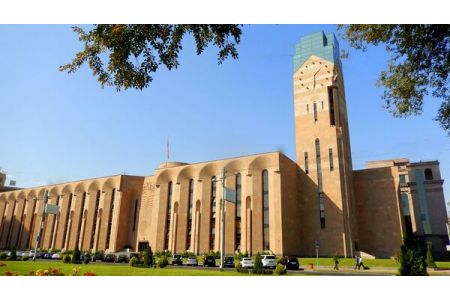 Yerevan City Hall is considering introducing a valet parking system in the city
 Political scientist: If Russian-Armenian relations are destroyed, Turkey will take Russia`s place
 Political scientist: The Armenian public is simply obliged to significantly change the entire content of public discourse and struggle
 Cross tattoos are being removed from the skin of Christian prisoners in Azerbaijan by fire, according to a human rights activist.
 Zakharova: Armenia`s likely introduction of visas with Russia will be a step against Yerevan itself
 Putin: Armenia`s recognition of Karabakh as part of Azerbaijan in Prague has given Russia`s position on this issue an ambivalent character
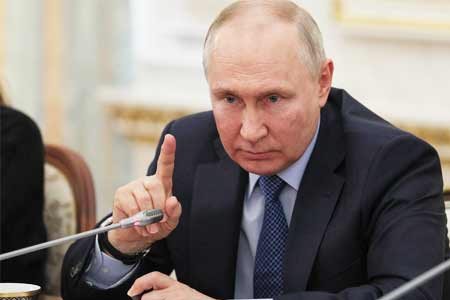 Putin: Armenia`s adoption of the law on EU accession means an announcement of its withdrawal from the Eurasian Economic Union
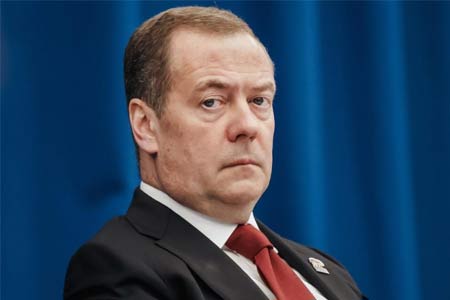 Medvedev: Yerevan will never become an EU member, but it will permanently damage relations with the Eurasian Economic Union, including with Moscow.
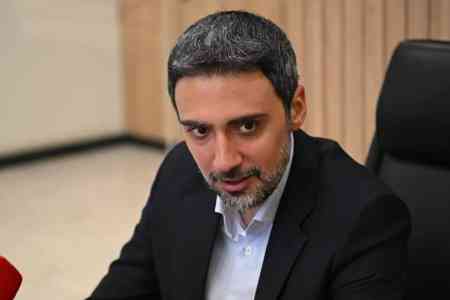 Aram Vardevanyan: Public demands solutions, not apology scandals in Parliament
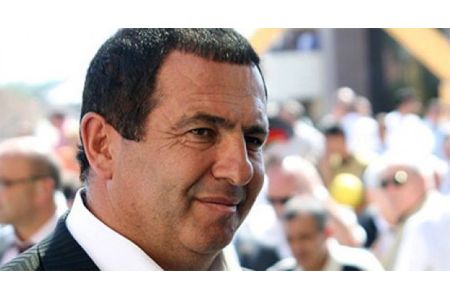 Arrested Armenian oligarch on economy and new jobs
  "In Baku, we gave a worthy rebuff to the false claims regarding the past and present of our people" – Former Artsakh Parliament Speaker from Baku captivity
  NA Vice Speaker candidate believes his wife`s salary as director of HayPost is the lowest in the company`s history