


Ernst &
Young is a global leader in assurance, tax, transaction and advisory services. Worldwide,
the company's 167,000 people are united by shared values and an unwavering
commitment to quality. The company makes a difference by helping its employees,
its clients and wider communities achieve their potential. Ernst & Young
expands its services and resources in accordance with clients’ needs throughout
the CIS. 4,000 professionals work at 19 offices in the post-Soviet space.
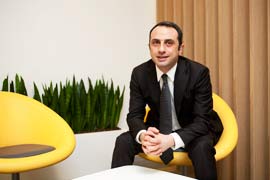
Ernst & Young (EY) entered the Armenian
market in 2008. What results has the company managed to achieve over the five years
of its presence in the market of advisory and auditing services in Armenia?
Would you tell us the competitive advantages of the company? How seriously has
the spectrum of services been extended?
Our company
has been operating in the market since 1999; however, we have been carrying out
vigorous activity since 2008, when the Yerevan Office was included in the CIS Sub
Area. We prepared for that step beforehand. In particular, in 2007 our
employees attended training courses at the Moscow Office of the company, and we
took advantage of the experience of our compatriots working at various offices
of the company worldwide. This was one of our advantages – due to the “lack of
borders” principle advocated by Ernst & Young, and thanks to the experience
of the employees from Armenia, we launched the process of concentration of
competence in each specific task and were able to ensure the high quality of
services our clients worldwide have been accustomed to.
One more
important competitive advantage is the presence of many of our global clients
in Armenia. I can say that almost all the big international companies in
Armenia are global clients of Ernst & Young. Now that five years have
passed, the Yerevan Office of EY has become self-sufficient to a great extent. We
have nearly 40 specialists, and we provide services in four key service areas –
audit and related services, tax and legal consulting, transactions services and
advisory services. Our clients are big Armenian companies and foreign investors
that are ready to develop their businesses in Armenia.
What significant changes have occurred in the
market of advisory and auditing services in Armenia over the past five years,
including the legislative initiatives? Is the demand for the consulting
companies’ services growing?
The
legislative regulation mostly covers the market of auditing services. Over the
past five years this field has undergone simply revolutionary changes.
Transition to international standards of financial statements and audit and the
introduction of standards of compulsory audit for large companies have
drastically changed the state of the market of auditing services and have given
a positive impetus to its development. The adoption of International Financial
Reporting Standards (IFRS) as the only standards of accounting statements is a
very important step towards enhancing the investment attractiveness of the
country and a very good opportunity for our company to use its immense
experience in the sphere of IFRS. As a contribution to this, Ernst & Young
released a sample of consolidated financial statements prepared in line with
IFRS - “Good Group (International) Limited 2011” in the Armenian language.
Later, the company released the Armenian versions of the samples of financial
statements, particularly, “Good First-time Adopter (International)
Limited 2011” for companies applying IFRS for the first time and “Good
Mining 2011” for the companies engaged in the mining sphere. These samples of
financial statements are only a small part of all the samples prepared by Ernst
& Young and aim to help the companies to prepare their own financial
statements. They are well known and widely used by various companies worldwide,
and we are proud of making them available for Armenian users as well. We will
update them every year.
Regarding
the market of advisory services, it is one of the key directions of EY’s global
business, and today it is a rapidly developing area of the company’s activity
in Armenia as well. The spectrum of the company’s advisory services is very
wide. It includes tax services, legal services, business consulting and
transactions services. The demand for tax and legal advisory services is
especially high. Recently, interest in advisory services in the fields of
accounting, staff motivation and productivity management has also risen
considerably. Among our advisory clients, there are large international
companies working in the Armenian market or planning to enter the local market
in the near future.
Thanks to what innovations is the company going
to increase its share in the Armenian market in the future?
I have
already mentioned that we were preparing for two years before rendering audit
services. The same is true regarding the practice of the tax consulting. We
invest heavily in professional training for our staff and accept no compromises
in the matter of service quality and our independence. I don’t think that we
need innovations here. Ensuring the highest quality of services is our key to
success. We are going to extend the list of services offered to Armenian
companies, including advisory services on human resources management, legal
consulting, assessment and business modeling.
The economic authorities of Armenia reported earlier
that the year 2013 would be a crucial year for improving the investment climate
in Armenia. However, direct investments declined by 40% last year, and the
volume of portfolio investments is very small. Have the necessary conditions
been created in the country for the investment climate to improve?
I would not
rely on last year’s indices, as pre-electoral processes could affect these
indices very much. Unfortunately, in developing countries political risks have
a big effect on economic indices. As for our country, investors are not ready
to take additional risks. For this reason, the country’s risk should be
decreased. Much should be done to ensure the rules of the game and equal
conditions for all the participants in the market, which would help create an
attractive investment climate. An investor needs to be confident that his
investments are safe. Investors need to know how taxes are levied in our
country and what should be done in order to meet the legal requirements.
Last year more than 800 big companies of
Armenia underwent an external audit, according to the results of which more
than 250 organizations did not get a positive conclusion and some of them did
not pass the audit. What mistakes, including those related to incorrect maintenance
of accounting records, were revealed in the Armenian companies?
One should pay
close attention to audit terms – details are very important here. The thing is
that according to the International
Standards on Auditing, an audit conclusion may express an unmodified
opinion, a modified opinion, an adverse opinion or a disclaimer of opinion. In
addition, the opinion may contain an emphasis-of-matter paragraph. This addresses additional
communications in the auditor’s report when the auditor considers it necessary
to draw users’ attention to a matter or matters presented or disclosed in the
financial statements that are of such importance that they are fundamental to
users’ understanding of the financial statements.
So, the
presence of such a paragraph doesn’t mean that the opinion is modified or adverse.
In practice we have come across an ambiguous interpretation of this situation
in the press, even regarding an audit report signed by our company. Very often
they incorrectly perceive any audit report, which differs from an unmodified
opinion or without an emphasis-of-matter paragraph, as an “adverse opinion”. And your
question is direct evidence of that. However, it is not so. Judging by the
information presented by the Finance Ministry, 234 out of 250 companies (244,
to be more precise) got audit reports expressing a modified opinion or an
unmodified opinion, which however, contains an emphasis-of-matter
paragraph. Eight more companies got a disclaimer
of opinion, and only 2 companies received audit reports containing an adverse opinion.
I see nothing horrible in these figures; it is much more unpleasant that
167 companies failed to have their financial statements audited and thereby
violated the law.
As regards
mistakes when preparing the financial statements, they are quite diverse. I
would rather mention the impartial problems Armenian companies come across when
maintaining accounting records and preparing financial statements. The most
important of them is the lack of a developed, active market. Modern standards
of financial statements consider fair value as the key method of evaluating
assets and liabilities. Fair value itself can be precisely evaluated only the case
of an active and developed country. That is to say, this problem is impartial
and we should hope that it will be solved as the economy develops.
Were equal conditions ensured for all
participants in the market of audit services? Some independent experts say that
little-known and not so professional local audit companies took part in the
audit process.
I am not
going to discuss the quality of my colleagues’ work, but I would say that there
are enough professionals in the market. The client’s approach is of much
importance – if the client needs a really independent, high-quality audit
report, he will seek out the professionals, and if the audit is just to observe
formalities, the client will go to the most affordable and negotiable supplier.
We believe that in the course of time the absolute majority of property owners
will appreciate all the advantages of business transparency and the demand for
high-quality services will be natural. The Government and the professional
community are exerting efforts to ensure high quality services provided by
market participants. We welcome these measures.
EY consultants have reviewed the salaries and
compensations in Armenia for the fourth year in a row. How do our entrepreneurs
view staff motivation? What trends can one observe in the given segment?
The annual
salary and compensation surveys became the first service in the sphere of
employee performance management and reward that was offered to the Armenian clients
by the Human Capital Group of our company. This demonstrates the demand for this
type of service in the Armenian labor market. Ernst & Young has extensive
experience in making compensation and benefits reports that are in demand
worldwide. The big international companies that use this information about the
state of the labor market to make important decisions in the field of personnel
management have contributed to the popularization of this culture in the
Armenian market. We have no doubt that in the course of time the interest in this
type of service among local companies will also grow considerably. The market
is developing by its own rules. The demand for highly skilled personnel is
gradually rising despite the consequences of the global economic crisis, and
the data of our reports are direct evidence of that. As a result, the winner is
the one who follows the changes and trends that enable timely and grounded
decisions.
How many companies participated in last year’s
reports? What mechanisms do Armenian companies use in the sphere of personnel
management?
Nearly 40
companies from various industries participated in last year’s EY compensation
and benefits reports. In addition,
detailed specialized surveys of financial and pharmaceutical industries were
conducted. In addition to regular revision of salaries, many companies offer
serious packages of non-cash benefits to their employees and use various
systems of motivation. Though some indices have deteriorated as compared with
the previous year, the plans for the future are more optimistic. For instance,
the share of companies planning staff cuts next year is incomparably smaller
than those planning to increase staff. In 2013 we are also going to
conduct specialized industry surveys of the spheres of IT and fast-moving
consumer goods (FMCG).
Thanks for
the informative interview!
ArmInfo
News Agency




























 Փորձագետ․ Անգամ ԵԱՀԿ դիտորդները Հայաստանում ընտրությունների ժամանակ բազմաթիվ խախտումներ են արձանագրել
 Արդարադատության նախկին նախարարն ընդդիմությանը կոչ է արել նոր խոստումների փոխարեն ազնվորեն և հիմնավորված պատասխանել Հայաստանի քաղաքացիներին հուզող մի շարք հարցերի
 Իրավաբան. Նախնական արդյունքների համաձայն՝ Փաշինյանի կուսակցությունը չունի երկրի Սահմանադրությունը փոփոխելու համար անհրաժեշտ 2/3 մեծամասնությունը
 Մոսկվա. Հայաստանում ընտրություններն ուղեկցվել են ընդդիմության նկատմամբ աննախադեպ ճնշումներով
 Մոսկվան կսպասի Հայաստանի ընտրությունների պաշտոնական արդյունքներին . Պեսկով
 Անտոնիո Կոշտա․ ԵՄ-ն կշարունակի խորացնել գործընկերությունը Հայաստանի հետ՝ ընդլայնելով համագործակցությունը էներգետիկայի, առևտրի և թվայնացման ոլորտներում
 Իսրայելի ԱԳ նախարարը շնորհավորել է Փաշինյանին
 Թուրքիայի ԱԳՆ-ը մեկնաբանել է Հայաստանի ընտրությունների արդյունքները
 Զախարովա․ Միջազգային դիտորդները չեն կարողանա լռություն պահպանել՝ Հայաստանում ընտրությունների ընթացքում ողջ ժողովրդի շահերի աղաղակող ոտնահարման ֆոնին
 "Ուժեղ Հայաստանը" հանդես կգա հայտարարությամբ՝ իրական հաշվարկների ավարտից հետո․ Նարեկ Կարապետյան
 Ռուսաստանի սենատոր․ Ընտրությունների ժամանակ իշխող կուսակցության կողմից խախտումների վերաբերյալ ընդդիմադիր ուժերի բողոքները մնացել են անպատասխան
 Հայաստանի վարչապետը շարունակում է շնորհավորանքներ ստանալ խորհրդարանական ընտրություններում տարած հաղթանակի կապակցությամբ
 ԱՊՀ ՄԽՎ խորհրդի քարտուղարության ղեկավար. Հայաստանում խորհրդարանական ընտրությունների քարոզարշավի չափազանց դժվար մթնոլորտը ուղեկցվեց զանգվածային ձերբակալություններով
 533 ընտրատեղամասերի ձայների հաշվարկով Փաշինյանի կուսակցությունը առաջատարն է 51,13%-ով
 Հայաստանում ավարտվեց երկրի հերթական խորհրդարանական ընտրությունների քվեարկությունը
 «Ուժեղ Հայաստան». Վարչական դատարանը դատական ակտեր չի տրամադրում խորհրդարանական ընտրություններում քվեարկել ցանկացող քաղաքացիներին