


The research conducted by the WWF-Armenia has discovered endangered species of flora and fauna in the areas adjacent to the Amulsar gold deposit.
WWF-Armenia Head Karen Manvelyan said at a press conference on Wednesday that the research has discovered a total of 4 rare species of mammals, 12 bird species, 2 reptile species (Armenian moufflon, bezoar goat, wild cat, brown bear, Caucasian snake, Armenian viper, Armenian gull, black stork, yellow wagtail, owl, pale harrier, hen harrier, peregrine, roody sheld duck, etc.). Manvelyan said that the discovered animals do not live in the area of the Amulsar gold deposit itself.
Potentilla porphyrantha, an endangered plant species, has also been discovered in the area of Amulsar. The survey covered a total area of 10 thsd hectares. Specialists of the Institute of Botany of the Armenian National Academy of Sciences also took part in the research.
Manvelyan thinks that the development of the deposit will affect the flora and fauna, first of all, the reptiles discovered in the territories adjacent to Amulsar. In addition, the hunting of predatory birds will decline and the animals will leave the long-inhabited places because of throngs and heavy machinery. The expert recalled that the Code on Mineral Resources of Armenia and the requirements of the European Bank for Reconstruction and Development (EBRD) forbid mining activities in the sites where endangered species live.
Armen Stepanyan, the chief environmentalist of Geoteam CJSC, said that since 2008 the company has always been conducting environmental surveys on Amulsar, including a research of biodiversity, and will publish the relevant report in August 2013. Stepanyan added that the company's surveys have also discovered the potentilla porphyrantha. To protect this plant, a management plan will be worked out to prevent the negative impact on the species, he said. In addition, the survey discovered a chamois near Jermuk and a bear near the Saravan woods.
The environmentalist stressed that Geoteam's activity will meet the toughest European standards. As regards the Code on Mineral Resources, Stepanyan pointed out that Code speaks of the mining territory itself, not the adjacent areas. No endangered species have been discovered in the territory to be involved in mining activities.
Geoteam's representative added that the company has involved several international companies in the environmental surveys. At the moment 10 international experts are exploring the territory of Amulsar to discover birds in the territories, since the company gives high priority to the international environmental requirements.
To note, Geoteam CJSC was founded in Armenia in 2005. 95% of its shares belong to Lydian International Ltd. According to the preliminary data of the company, over 40 tons of gold will be mined from the Amulsar deposit. The International Finance Corporation (16.5% stake) and the EBRD (7.5% stake) are among Lydian International's shareholders.


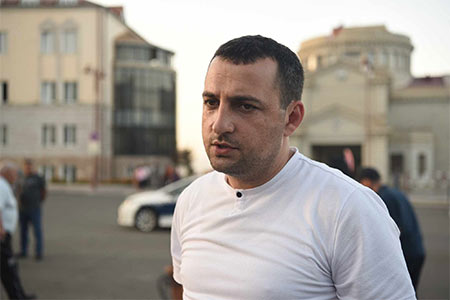











































 Իրավաբան. Նախնական արդյունքների համաձայն՝ Փաշինյանի կուսակցությունը չունի երկրի Սահմանադրությունը փոփոխելու համար անհրաժեշտ 2/3 մեծամասնությունը
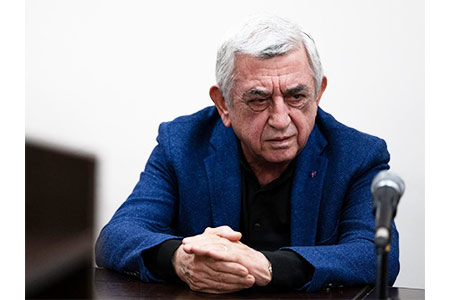
 Քաղաքական գործիչ․ Ընտրողների բարձր մասնակցության դեպքում ներկայիս իշխանությունը, գործնականում, վերարտադրվելու հնարավորություն չի ունենա
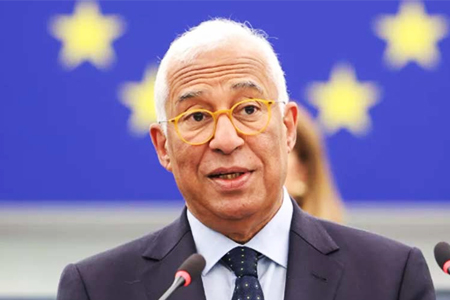 Անտոնիո Կոշտա․ ԵՄ-ն կշարունակի խորացնել գործընկերությունը Հայաստանի հետ՝ ընդլայնելով համագործակցությունը էներգետիկայի, առևտրի և թվայնացման ոլորտներում
 Իսրայելի ԱԳ նախարարը շնորհավորել է Փաշինյանին
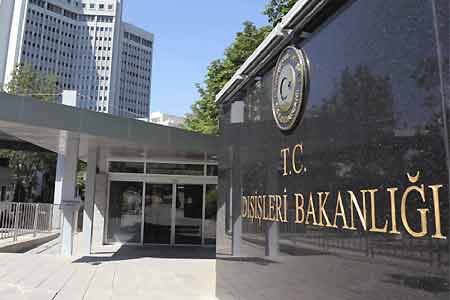 Թուրքիայի ԱԳՆ-ը մեկնաբանել է Հայաստանի ընտրությունների արդյունքները
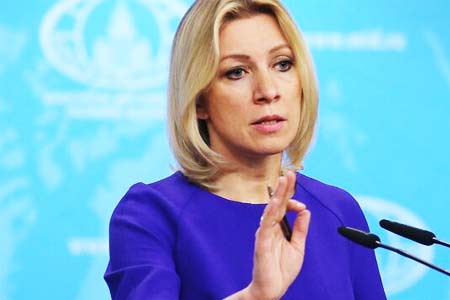
 Զախարովա․ Միջազգային դիտորդները չեն կարողանա լռություն պահպանել՝ Հայաստանում ընտրությունների ընթացքում ողջ ժողովրդի շահերի աղաղակող ոտնահարման ֆոնին
 "Ուժեղ Հայաստանը" հանդես կգա հայտարարությամբ՝ իրական հաշվարկների ավարտից հետո․ Նարեկ Կարապետյան
 Ռուսաստանի սենատոր․ Ընտրությունների ժամանակ իշխող կուսակցության կողմից խախտումների վերաբերյալ ընդդիմադիր ուժերի բողոքները մնացել են անպատասխան
 Հայաստանի վարչապետը շարունակում է շնորհավորանքներ ստանալ խորհրդարանական ընտրություններում տարած հաղթանակի կապակցությամբ
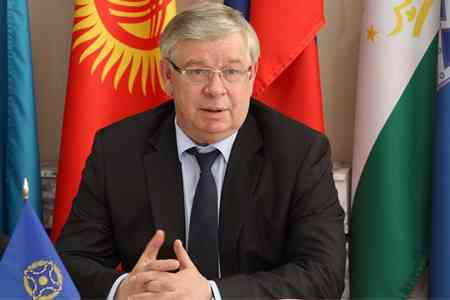
 ԱՊՀ ՄԽՎ խորհրդի քարտուղարության ղեկավար. Հայաստանում խորհրդարանական ընտրությունների քարոզարշավի չափազանց դժվար մթնոլորտը ուղեկցվեց զանգվածային ձերբակալություններով
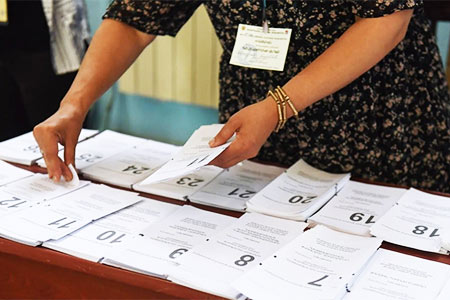
 533 ընտրատեղամասերի ձայների հաշվարկով Փաշինյանի կուսակցությունը առաջատարն է 51,13%-ով
 Հայաստանում ավարտվեց երկրի հերթական խորհրդարանական ընտրությունների քվեարկությունը
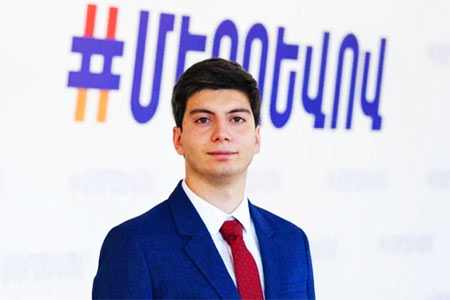 «Ուժեղ Հայաստան». Վարչական դատարանը դատական ակտեր չի տրամադրում խորհրդարանական ընտրություններում քվեարկել ցանկացող քաղաքացիներին