


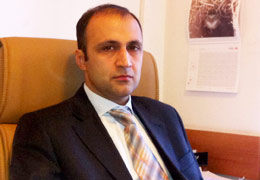
Armenian
Card has introduced new up-to-date software in February following large-scale
testing. Now the new software works at full.
Are you satisfied with the work of the team entrusted to you? What is
your assessment of migration?
Considering
the project’s scale, I think that migration from one platform to another was
quite smooth. There were non-standard situations during the migration process,
indeed, but no “global” shocks. Before the transition, together with banks we
informed customers of possible failures in the work of the system, which is
natural in the course of implementation of such large-scale projects. Over one
million of bankcards (customer accounts) migrated from the old software to the
new one. And the entire hardware and
software package based on the old platform, including nearly 1000 ATMs and over
6,000 POS-terminals were successfully transferred to the new software and
hardware system. This process that may seem easy at first sight, is quite
complicate. Nevertheless, the process was successful and there were no global
system failures, by our assessment.
Nevertheless,
when launching the new software some banks faced problems with integration of
their systems and the national processing center. As a result, ATMs had not
worked for 3 days and some banks even refused to provide funds to their
customers from their accounts referring to ArCa…
Some ATMs
really failed for a certain period, as they needed trivial reloading depending
on the specifics of the process. So, banks quite operatively did it. As regards
reservations of some banks to provide funds to their customers from their bank
accounts (on the basis of passports), this misunderstanding was liquidated in
cooperation with the Association of Armenians Banks and the Central Bank of
Armenia as soon as we were informed of that. I don’t think that it was
malicious intent. It was rather insufficient awareness of those banks’
operational staffs.
Well,
what are the advantages of the new software? Now, when the new up-to-date
software has been introduced, banks have got a good opportunity to offer new
card projects. Can we wait any novelties?
About
advantages: first, the new software opens access to wider spectrum of
processing services for banks. Banks have got an opportunity to follow
transactions and even make some operations without our interference. The
notorious story about temporary restrictions on the card-to-card transfer
services (there were many nasty tricks about that) is already in the past. Due
to technological peculiarities of the old system, the given service was
inaccessible to cardholders from time to time. However, it is easy to access
now. Moreover, due to intensified card-to-card transfer, non-cash transactions
grew 42.7% over a short period of time.
Authorization of plastic cards i.e. processing of payments via
POS-terminals, has been speed up as well.
The most
important advantage of the new software is the opportunity to develop online
and mobile payments market, I think. We will be actively working in the given
area. Online payments are becoming more and more popular in the world, and this
will happen also in Armenia.
How to
involve our population in the virtual space?
Given the insignificant volume of online payments in Armenia, one can
hardly imagine that such method of payment for goods and services will ever
become popular in the country.
Unfortunately,
online payments are not popular in the country yet, and the figures are
the best evidence of that. ArCa system issued over million of plastic cards.
The quantity of virtual cards reached 23,000 as of March 1 2013. Given that one
user has at least 2 virtual cards, the real number of online payment service
users is 11,000-12,000 people.
However,
they do not make online payments for goods very frequently either.
Yes,
unfortunately. I hope that the new software will boost online payments in the
visible future. I think it requires measures to upgrade public awareness of the
service. Banks may come out as mediators as they have all the necessary levers.
We, in turn, will keep improving the quality and security of the service.
Mr.
Mkhitaryan, I’d like to ask about certainly protracted transfer to chip cards…
I do not
agree with the word ‘protracted’. Such big market as the USA – imagine how many
ATMs and POS-terminals there are – has not fully transferred to the chip
technologies, as modernization of the card infrastructures requires solid
expenses. On the other hand, many European countries have fully
transferred to chip technologies. As regards ArCa, our infrastructure,
specifically ATMs and POS-terminals, has been serving chip cards yet since
2006. So, banks adopt decisions to transfer their card products to new
technologies depending on the requirements of international payments systems
and their own calculations. In this light, I cannot agree with the word
‘protracted’. Only two banks of all our participants have not yet transferred
to the issue of EMV-enabled MasterCards.
One of those two banks has already launched the transition project. This
process for Visa cards is quite active.
Back
to the topic of new software: do you think it reasonable for some banks to have
their own processing centers? We talked about this yet before introduction of
the new software.
The world
experience shows that processing of payments has an evident scale effect. If a bank has big volumes it is quite
reasonable for it to have its own processing center. I am sure that the banks
launching activity in the given direction have serious reasons for that. As
regards global trends in the sphere of payment processing, transfer of
processing services to professional organizations is observed now.
New
software operates at full. What is you message? What kind of novelties do you
anticipate?
Good news
is coming soon! We exerted big efforts and spent solid resources to prevent
possible failures in the system before. Now, thanks to our new software, we
will be working on development.














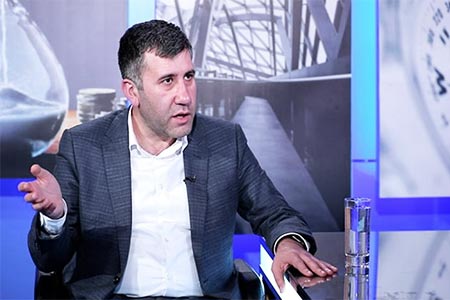

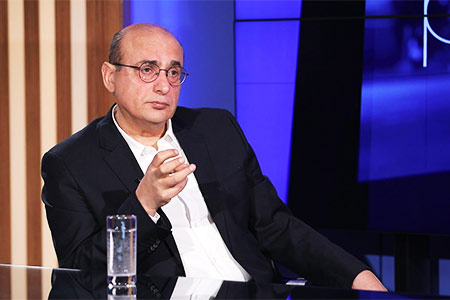








 Իրավաբան. Նախնական արդյունքների համաձայն՝ Փաշինյանի կուսակցությունը չունի երկրի Սահմանադրությունը փոփոխելու համար անհրաժեշտ 2/3 մեծամասնությունը
 Քաղաքական գործիչ․ Ընտրողների բարձր մասնակցության դեպքում ներկայիս իշխանությունը, գործնականում, վերարտադրվելու հնարավորություն չի ունենա
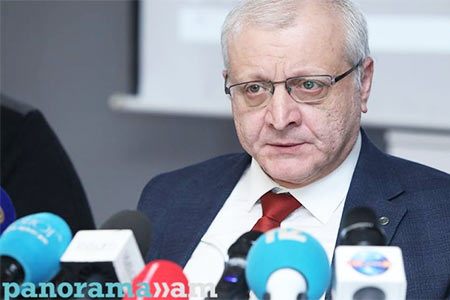 Քաղաքագետ. ընտրողների բավականին բարձր մասնակցությունը վկայում է այն մասին, որ Հայաստանի քաղաքացիներն ակտիվորեն և գիտակցաբար մասնակցում են երկրի ապագայի ձևավորմանը
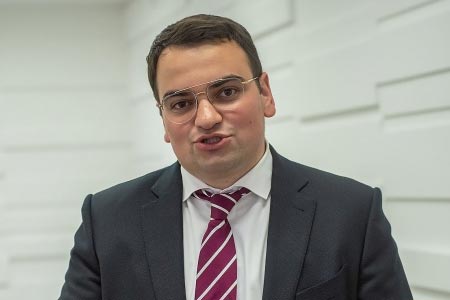 "Ուժեղ Հայաստանը" հանդես կգա հայտարարությամբ՝ իրական հաշվարկների ավարտից հետո․ Նարեկ Կարապետյան
 Ռուսաստանի սենատոր․ Ընտրությունների ժամանակ իշխող կուսակցության կողմից խախտումների վերաբերյալ ընդդիմադիր ուժերի բողոքները մնացել են անպատասխան
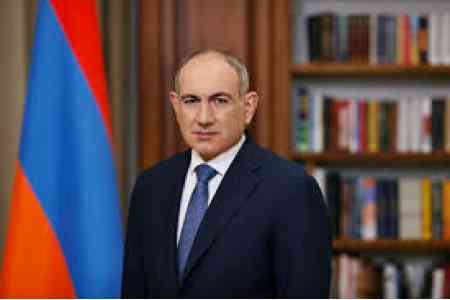 Հայաստանի վարչապետը շարունակում է շնորհավորանքներ ստանալ խորհրդարանական ընտրություններում տարած հաղթանակի կապակցությամբ
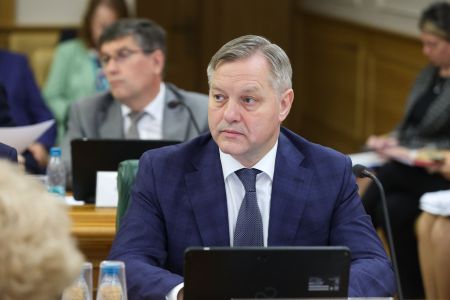 ԱՊՀ ՄԽՎ խորհրդի քարտուղարության ղեկավար. Հայաստանում խորհրդարանական ընտրությունների քարոզարշավի չափազանց դժվար մթնոլորտը ուղեկցվեց զանգվածային ձերբակալություններով
 533 ընտրատեղամասերի ձայների հաշվարկով Փաշինյանի կուսակցությունը առաջատարն է 51,13%-ով
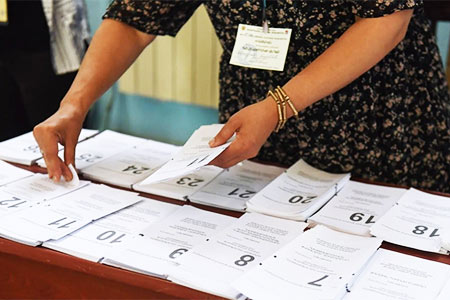
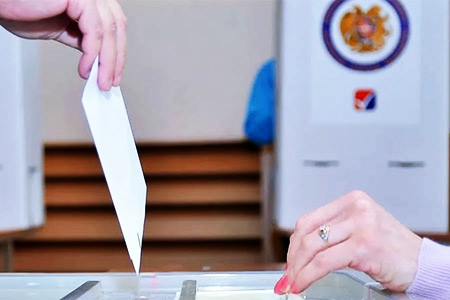 Հայաստանում ավարտվեց երկրի հերթական խորհրդարանական ընտրությունների քվեարկությունը
 «Ուժեղ Հայաստան». Վարչական դատարանը դատական ակտեր չի տրամադրում խորհրդարանական ընտրություններում քվեարկել ցանկացող քաղաքացիներին
 Ռուսաստանը փորձում է Հայաստանին հասցնել, որ ԵՄ-ը, գործնականում, արդեն փոխակերպվել է ռազմաքաղաքական դաշինքի․ Օվերչուկ
 Հայաստանի ԱԳ նախարար․ Հայաստանի եւ Ռուսաստանի հարաբերություններն առողջացման կարիք ունեն