

Some experts say that the Soft Power
applied by the USA and EU to increase their influence in the South Caucasus
amid inconsistent and uncoordinated policy of Russia has already brought some
results. Do you think that Moscow should take any step to change the
situation?
The
situation in the South Caucasus is not optimal for the interests of Russia
because of several impartial reasons conditioned by defects of the foreign
policy of Moscow. In general, Moscow cannot work with community, including the
opposition. All the contacts and projects are linked only with the ruling
elite. Moreover, Moscow does not notice civil society and thinks it is not
expedient to take its mood into account. In other words, Moscow gains the
needed result at any election in Russia at any cost, and has been waiting for
the similar readiness from the political elite
and societies of the CIS countries. The last presidential election in
South Ossetia - is a sample of such behaviour".
He
also added that in its foreign policy in the Caucasus Moscow still rests not on
the soft power, but a "strong force", military bases, military
exercises or at least integration projects.
But unlike Russia, the West studies well, including on its own
mistakes. For instance, the special
action held by the Americans during the parliamentary election in Georgia and
soft withdrawal of Saakashvili from the big policy, which fully met principles
of democracy and the wishes of major part of the Georgian society, prove
that. Against such a background, Moscow
should learn how to work with to work with communities, and not to treat other
peoples like crack-headed children, the viewpoints of which may be ignored, as
they do not understand their benefit and need permanent correction”.
Today the ruling party seems to be
seriously concerned over the upcoming election of the Yerevan mayor on May 5.
Do you think that the upcoming elections may catalyze public discontent after
the presidential election of February 2013?
I
don't think that the opposition in Armenia is structured enough and can set a
single candidate or an elaborated program against the authorities. The biggest
and the strongest part of the opposition, ARFD, ANC and Prosperous Armenia, have
been weakened and disorientated following their refusal to participate in the
presidential election and uncertain position after the election. In this light,
Heritage Party and Raffi Hovannisian personally have got a significant rating
in advance and to some extent by a good chance and used it. However, they did
it not in the best way due to their inconsistent and not always successful
steps. Therefore, the Republican Party
has so far overplayed its opponents. I am sure that as a result of political
games, which the opposition forces failed to play, the public trust in them was
certainly broken. Therefore, public discontent will probably grow but it will
hardly find a way out for lack of acknowledged opposition leaders. Maybe, the
situation will change in future. So far, Armenia with the Republican Party is
like Russia with Yedinaya Rossia Party and its generally negative image and
weak manageable opposition.
There is opinion that Raffi Hovannisian's public movement
in Armenia is generally the result of actions of external forces in the fight
of the West and Russia for influence in Armenia. Do you share this view?
I
think it is not correct to turn Raffi Hovannisian into an agent of influence of
the West. He is an independent politician, though a little bit unskillful. For
this reason, I see no prospect in his attempts to become an acknowledged leader
of the opposition. However, Raffi Hovannisian's relative but unchallenged
triumph at the presidential election was in line with the plans of the West interested
in weakening of the top power in Armenia in any way. A weak and guided
president in Armenia, a weak and guided president in Azerbaijan, where various
NGOs have become active on the threshold of the presidential election, and
Georgia that lost sovereignty. This is the West's minimum program in the South
Caucasus.
According to some analysts, Moscow
really adopted a decision about non-participation of the pro-Russian
"Prosperous Armenia" party, ARF "Dashnaktiutyun" and
Armenian National Congress in the presidential election in Armenia. Afterwards,
Raffi Hovannisian, who has never concealed that he sees Armenia as a NATO
member and integrated in Europe, took that empty niche. If you agree with this,
so what were the Kremlin’s motives?
This
may be consistent with the reality. Like a president Serzh Sargsyan suits both
the West and Moscow to the T, as you may go farther and fare worse. But unlike
the West, Moscow does not want Sargsyan to become weaker, as Moscow thinks that
Sargsyan's staying in power means preserving of the status-quo, which Moscow
seems not to be able to change. As for Raffi Hovannisian's pro-Western ideas,
they are from the non-science fiction. Armenia's joining NATO together with
Azerbaijan, Armenia's surrender Nagornyy Karabakh and reconciliation with
Turkey without any pre-condition, I don't think that such a scenario will suit
everybody who voted for Raffi Hovannisian at the presidential election. I think
that it is constant that before changing of the situation in the Karabakh settlement,
in the matter of security Armenia should preserve its orientation towards the
CSTO and Russia.
After presidential election in Armenia the problem of
comparison of the Customs Union and EU Association Agreement has become more
relevant also due to Serzh Sargsyan’s visit to Moscow and Brussels. What
possible scenarios do you anticipate?
The
Customs Union and especially the Eurasian Union are nothing more but quite
dangerous phantoms. Though being quite expensive, these projects have neither
road maps nor realistic targets. Both the projects have received negative
response from the West. Before integrating Armenia, Kygryzstan or Turkey, these
unions should first succeed in integrating their core members - Russia,
Kazakhstan and Belarus. As regards NATO and the EU, though willing to integrate
the South Caucasus, they are taking time for a whole number of objective
reasons. In fact, NATO's attempt to integrate Georgia with its unsettled
conflicts was the key if not the only cause of the 08.08.08 war. They tried to
push Georgia into solving the conflicts by means of a war, leaving Russia no
other options but to interfere. The EU acts more responsibly than NATO though
its Eastern Partnership, Association Agreement and Free Trade Area projects are
nothing more but mechanisms for giving the EU influence over the countries
involved. In fact, they are staking a claim to one or another region so they
can come there once they solve their economic problems. The example of Cyprus
has shown that there will hardly be any progress here in the near future. The
ideal scenario for Armenia would be to be able to choose from the two projects,
but in fact there is nothing to choose as both are just phantoms yet.
People
in Georgia, and first of all in Adjaria, are seriously displeased with
dependence on the Turkish-Azerbaijani transit and the influence of these
countries upon Georgia. Meanwhile, the power change in Georgia opened new
opportunities on the total geo-political breaking of the situation in the
region through formation of the new axis from the north of Russia to the south
- Iran through Armenia, which may allow Georgia to get rid of such dependence.
Why doesn’t Tbilisi display interest in such large-scale project?
I
fear that it is too late for Georgia to try to take part in anything, as
Tbilisi fully and totally depends on Baku and on Ankara less.
Georgia
has turned not into a transit-country managing traffic flows, but a
hostage-country of its richer neighboring states, which watch Georgia only like
a revolving door. I would like to recall Bidzina Ivanishvili's failed attempts
to correct the project Baku-Tbilisi-Kars, which removed Georgia's ports from
the transport flows. Moreover, the new leadership of Georgia was trying to
raise a problem on restoration of the railway communication through Abkhazia,
but was taken up shortly by Azerbaijan. It becomes clear from the above
mentioned that Georgia should refuse restoration of communications through
Abkhazia, as Azerbaijan does not want to open an extra "small window"
to the external world for Armenia. Georgia's sovereignty is limited not only by
Washington and Brussels, but also by Baku.
The situation may change only if Aliyev's regime finally loses the sense
of reality, and as a result of a quite possible foreign political defeat
Azerbaijan will enter general crisis. That time not only Tbilisi but Ankara as
well will breathe easily, though it seems paradoxical.
Do you mean Turkey’s latest refusal
from earlier announced flight Yerevan-Van?
Yes,
I don’t think that the Turkish leadership is pleased with the fact that the
issue of Yerevan-Van flights by a Turkish airline is settled in Baku. PoliticallyAzerbaijan
is Central Asia but being at never-ending sniper war with Armenia and squeezed
in between two ambitious and grudge-holding neighbors, it cannot be as active
and successful in using the contradictions between the great powers as the
Central Asian nations do. Being always in the spotlight, Azerbaijan is the most
vulnerable nation in the South Caucasus despite the illusive ambitions of its
authorities. It also has growing internal problems, like high social tensions,
spreading radical Islamism and the presence of the Lezgin and Talysh minorities
- a factor external forces can use at any moment to destabilize the country.
In this light, I cannot but ask
about Karabakh…
One
more possible threat for Azerbaijan, is possible war in Iran. Should Israel or
some coalition decide to attack Iran, Azerbaijan may try to use the moment and
to start a war to solve the Nagorno-Karabakh problem. But if the West or Russia
interfere, Azerbaijan may face a rise of its internal problems. So, under
certain circumstances Azerbaijan may easily turn into a faltering giant.






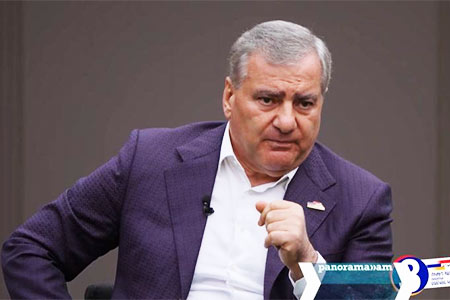
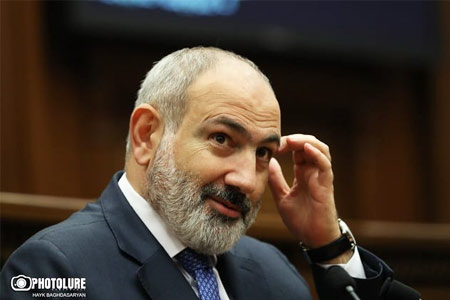
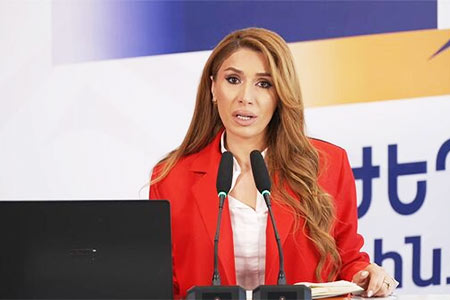





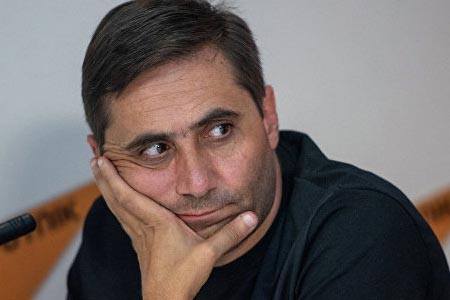 Քաղաքական գործիչ․ Ընտրողների բարձր մասնակցության դեպքում ներկայիս իշխանությունը, գործնականում, վերարտադրվելու հնարավորություն չի ունենա
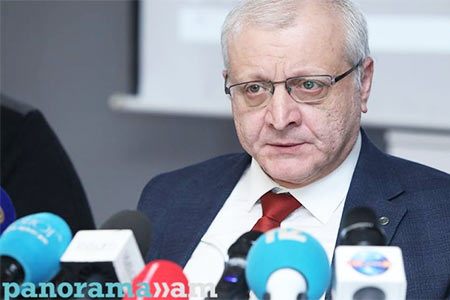 Քաղաքագետ. ընտրողների բավականին բարձր մասնակցությունը վկայում է այն մասին, որ Հայաստանի քաղաքացիներն ակտիվորեն և գիտակցաբար մասնակցում են երկրի ապագայի ձևավորմանը
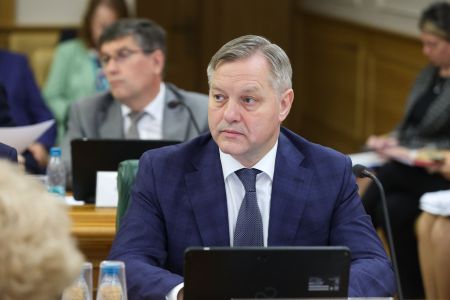 ԱՊՀ ՄԽՎ խորհրդի քարտուղարության ղեկավար. Հայաստանում խորհրդարանական ընտրությունների քարոզարշավի չափազանց դժվար մթնոլորտը ուղեկցվեց զանգվածային ձերբակալություններով
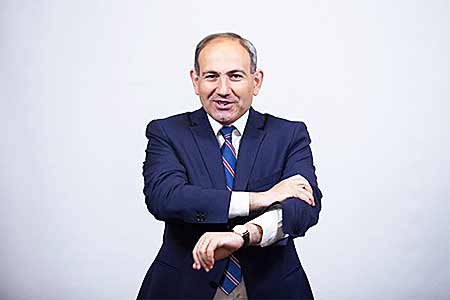 533 ընտրատեղամասերի ձայների հաշվարկով Փաշինյանի կուսակցությունը առաջատարն է 51,13%-ով
 Հայաստանում ավարտվեց երկրի հերթական խորհրդարանական ընտրությունների քվեարկությունը
 «Ուժեղ Հայաստան». Վարչական դատարանը դատական ակտեր չի տրամադրում խորհրդարանական ընտրություններում քվեարկել ցանկացող քաղաքացիներին
 Ռուսաստանը փորձում է Հայաստանին հասցնել, որ ԵՄ-ը, գործնականում, արդեն փոխակերպվել է ռազմաքաղաքական դաշինքի․ Օվերչուկ
 Հայաստանի ԱԳ նախարար․ Հայաստանի եւ Ռուսաստանի հարաբերություններն առողջացման կարիք ունեն